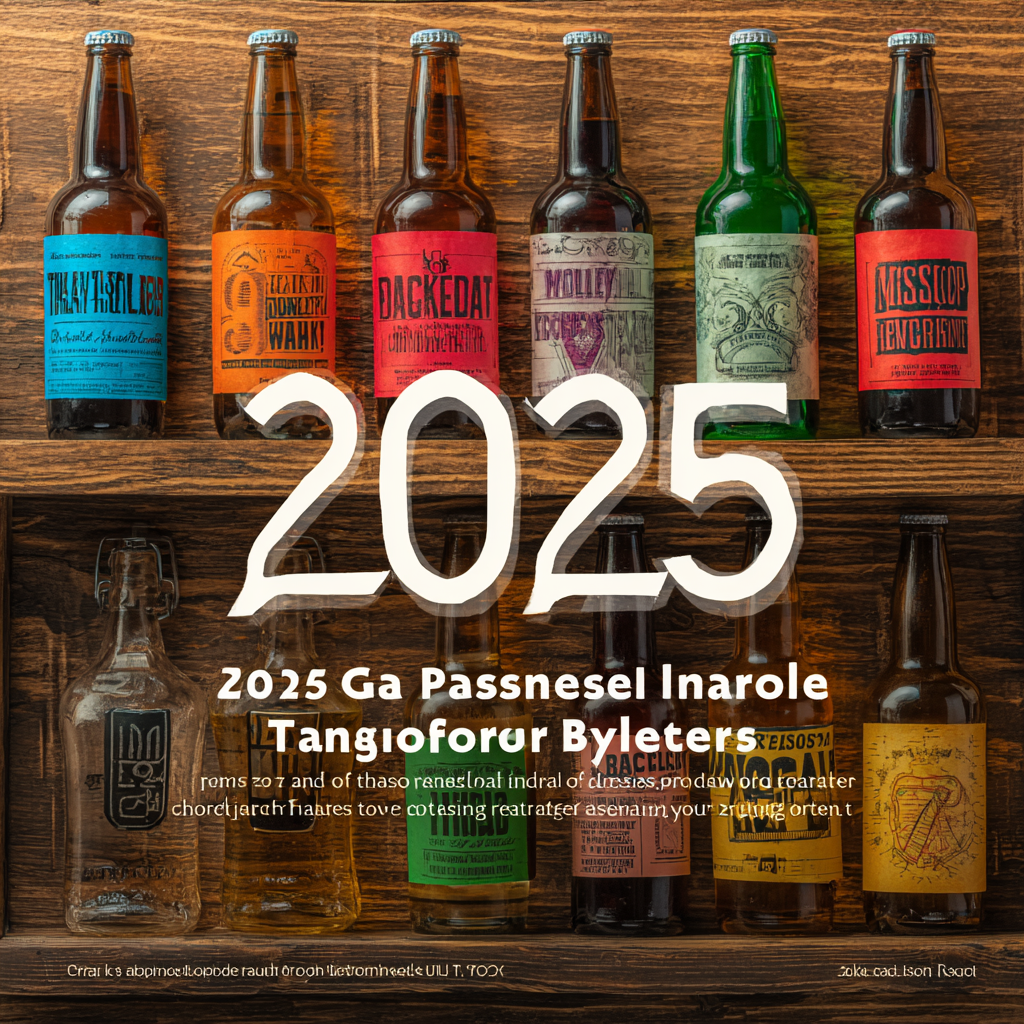
2025 Top Personalized Labels That Transform Your Organization Style
In the ever-evolving landscape of organizational tools, personalized labels have emerged as a vital component in enhancing both functionality and aesthetic appeal. As industry expert Sarah Johnson, a leading voice in the world of custom branding solutions, once stated, "Personalized labels not only serve a practical purpose but also infuse character and identity into the organization." This highlights the dual role that personalized labels play—not just as simple identifiers, but as essential elements that reflect the values and personality of a brand.
As we look ahead to 2025, the potential for personalized labels to transform organizational style is boundless. From creating visually cohesive workspaces to streamlining inventory and supply management, these customized tools are reshaping how organizations present themselves to clients and stakeholders alike. The upcoming article will explore the top five personalized label trends that are set to redefine organizational aesthetics and functionality, paving the way for a more engaging and effective workspace. Join us as we dive into the innovative designs and practical applications that make personalized labels an indispensable asset for any modern organization.
The Rise of Personalized Labels in Organizational Culture: An In-Depth Analysis
 The integration of personalized labels into organizational culture has gained significant traction in recent years, reflecting a broader shift towards individuality and self-expression in the workplace. Organizations are increasingly recognizing that personalized labels not only enhance internal communication but also foster a sense of belonging among employees. By allowing team members to create custom labels that resonate with their personal values and roles, companies can cultivate an environment where individuals feel empowered and engaged.
Moreover, personalized labels serve as a powerful branding tool, strengthening the connection between an organization's mission and the workforce. They help in creating a visually cohesive identity that employees can rally around, thereby enhancing team spirit and motivation. As personalization becomes more prevalent, organizations are leveraging these innovative tools to differentiate themselves in the competitive landscape. This trend highlights the importance of creating a workplace that values each employee's unique contributions, ultimately leading to a more dynamic and productive organizational culture.
Leveraging Data: How Custom Labels Improve Workplace Efficiency by 25%
In today’s fast-paced work environment, efficient organization is crucial for productivity, and custom labels have emerged as a transformative tool in this regard. By harnessing data to create personalized labels, organizations can streamline their workflows. For instance, employees can quickly locate files, supplies, or equipment, minimizing time spent searching for essential items. This not only elevates workplace efficiency but also fosters a smoother operational flow, contributing to an overall increase in productivity by approximately 25%.
Furthermore, custom labels enhance communication within teams. When everyone is on the same page regarding the organization system in place, miscommunication and errors decrease significantly. This clarity helps in maintaining consistency across various departments, ensuring that tasks are completed accurately and on time. The integration of data-driven label solutions not only simplifies the task of categorization but also empowers employees to take ownership of their workspace, promoting a culture of organization and efficiency. As businesses move toward a more personalized approach, it’s clear that leveraging data through custom labels is a vital step in enhancing workplace productivity.
2025 Top Personalized Labels That Transform Your Organization Style
| Label Type |
Usage Scenario |
Efficiency Improvement (%) |
Color Code |
User Rating (out of 5) |
| Asset Labels |
Inventory Management |
30% |
#FF5733 |
4.8 |
| Safety Labels |
Workplace Safety |
25% |
#FFC300 |
4.5 |
| Shipping Labels |
Logistics |
28% |
#28B463 |
4.7 |
| File Folder Labels |
Document Organization |
35% |
#3498DB |
4.9 |
| Product Labels |
Retail Display |
22% |
#9B59B6 |
4.6 |
The Psychology of Personalization: Enhancing Employee Engagement Through Labels
Personalization in the workplace goes beyond customized desks or team-building activities; it extends to the very labels that define roles and responsibilities within an organization. The psychology of personalization reveals that when employees see their names or roles clearly identified, it boosts their sense of belonging and fosters a more engaged work environment. Personalized labels can serve as visual affirmations, reinforcing an employee's identity and contribution to the team. This simple act can elevate their motivation, making them feel more recognized and valued.
Moreover, personalized labels contribute to a collaborative culture by enhancing communication and accountability. When team members have clear labels that represent their positions or projects, it eliminates confusion and encourages interaction. Employees are more likely to engage with each other, share ideas, and take ownership of their tasks when they feel a personal connection to their roles. As organizations adopt personalized labeling strategies, they tap into the profound psychological need for recognition, ultimately driving higher levels of employee satisfaction and productivity.
Case Studies: Real-Life Success Stories of Organizations Using Custom Labels
In the realm of modern organization, personalized labels have emerged as a powerful tool for enhancing efficiency and style.
Case studies highlight a variety of organizations that have successfully integrated custom labels into their operational frameworks.
For instance, a major retail chain revitalized its inventory management by
implementing color-coded labels, resulting in reduced search times and improved
stock accuracy. Their approach not only streamlined processes but also transformed the shopping experience for customers.
Another success story comes from a healthcare facility that introduced labeled bins for medical supplies. By adopting a system of
clear, distinctive labels, the staff reported a significant decrease in waste and increased safety in sensitive areas.
This case underscores the importance of clarity and accessibility when
it comes to labeling, which directly contributes to workplace harmony and productivity.
Tips for Successful Labeling: When designing custom labels, consider using
high-contrast colors for visibility and a clean font for easy readability.
Additionally, ensure that the labels are durable and resistant to common workplace elements, such as moisture or chemicals.
Finally, involve your team in the labeling process to foster a sense of ownership and ensure that the system meets everyone's needs.
Future Trends: How AI and Technology Will Revolutionize Personalized Labeling in 2025
As we look towards 2025, the convergence of artificial intelligence and technology is set to redefine the landscape of personalized labeling. With advancements in machine learning algorithms, businesses will be able to create customized labels that not only reflect brand identity but also adapt dynamically to consumer preferences. This evolution will enable organizations to implement an unparalleled level of personalization that enhances customer engagement and retention.
Furthermore, the integration of augmented reality and mobile applications will revolutionize how personalized labels are designed and utilized. Consumers will have the ability to visualize labels in real-time, tailoring them on-the-fly through their devices. This interactive experience will not only enhance consumer satisfaction but also provide valuable data insights for brands to optimize their offerings. As we enter this new era, companies that embrace these technological innovations will likely stand out in a competitive market, fostering a deeper connection with their audience through personalized experiences.