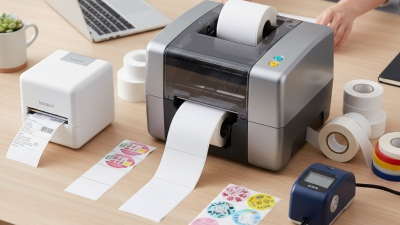
2026 Top Beverage Label Printing Types for Global Buyers
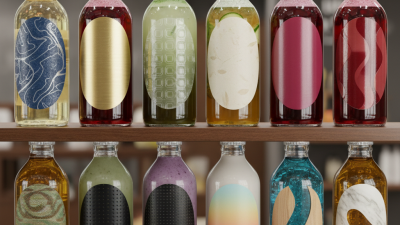
In 2026, beverage label printing will demand more than attractive graphics. Global buyers must balance shelf impact, production speed, recyclability, and regional compliance. Pressure-sensitive labels remain versatile for glass bottles and premium spirits. Shrink sleeves provide strong coverage for complex containers. Roll-fed labels support high-speed beverage lines, while in-mold labels suit lightweight plastic packaging. Digital printing also enables shorter runs, variable artwork, and faster market testing.
Industry data shows why these choices matter. Smithers’ The Future of Labels and Labeling to 2028 identifies continued growth in digital and sustainable label technologies. Grand View Research also reports strong expansion in the global labels market, supported by packaged drinks, convenience formats, and premium branding. FINAT continues to highlight pressure-sensitive labels as a major segment in European packaging production. These reports suggest a clear direction, but regional results will differ. A recyclable label in Europe may not suit every recycling system in Asia or North America.
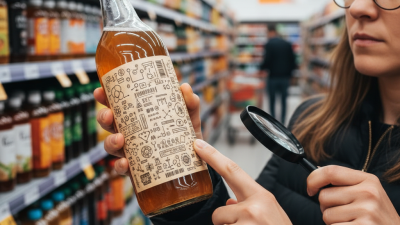
Mike Fairley, a respected label-industry consultant and founder of Labels & Labeling, has described labels as “the silent salesperson.” That idea remains practical in a crowded beverage aisle. A cold bottle needs readable type, durable adhesive, and graphics that survive condensation. Yet no printing method is perfect. Metallic effects can complicate recycling. Shrink sleeves may require careful material selection. Digital printing can cost more at very large volumes. This guide compares the leading beverage label printing types for global buyers, with attention to materials, equipment, order quantities, sustainability, and real production limitations.
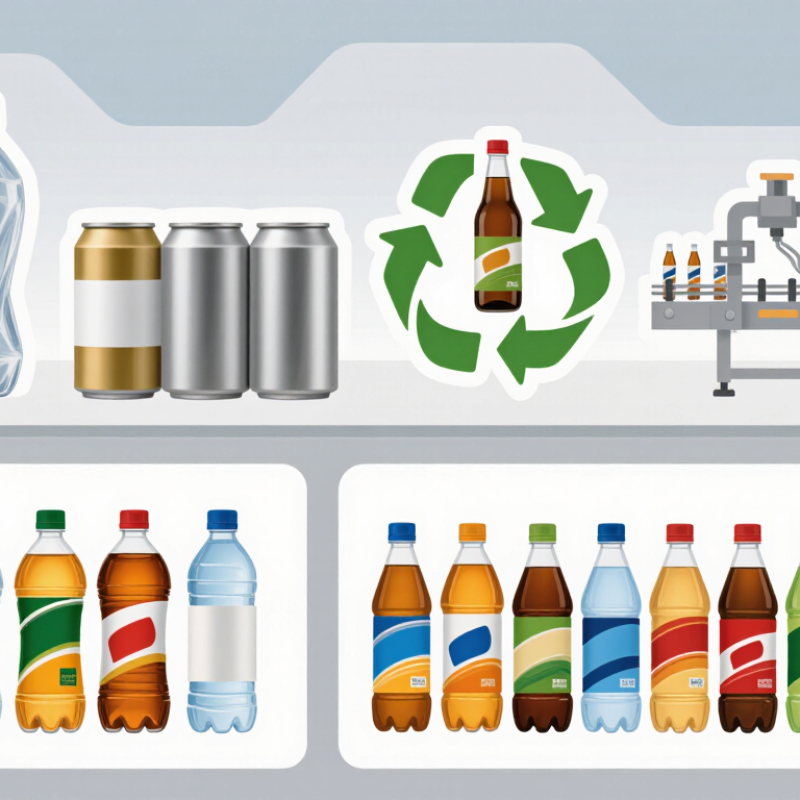
Beverage Label Printing in 2026: Materials, Methods, and Buyer Metrics
In 2026, beverage label buying starts with the liquid, container, and supply route. Cold-chain drinks need labels that resist condensation, scuffing, and sudden temperature changes. Glass bottles often suit paper, film, or textured stocks, while squeezable containers need flexible materials. Recycled content can support sustainability goals, but it may vary in shade and surface smoothness. Ask for material samples from actual production batches. Small details matter.
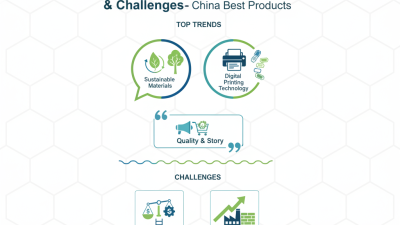
Flexographic printing remains practical for high-volume runs and stable color control. Digital printing helps when buyers need short runs, variable data, or frequent artwork changes. Gravure can deliver dense coverage, yet setup costs may challenge smaller orders. Tactile coatings improve shelf visibility, but they can increase lead time. Request documented ink resistance, adhesive performance, and migration testing for the intended beverage environment. Do not rely on appearance alone. A label can look excellent on a dry sample and fail after hours in an ice bucket.
Buyer metrics should connect print quality with operating risk. Track color deviation, application speed, roll consistency, rejection rate, and delivery accuracy. For transparent labels, inspect haze, trapped air, and edge lift under bright store lighting. For paper labels, test wet strength and glue release after refrigeration. Compare total landed cost, not only the quoted unit price. This is where many evaluations become too optimistic. A lower price may hide slower application or higher waste. Clear specifications and retained samples make supplier claims easier to verify.
Pressure-Sensitive Labels Under the EU’s 25% rPET Target for 2025
Pressure-sensitive labels are entering a stricter European packaging reality. Under Directive (EU) 2019/904, PET beverage bottles must contain an average of 25% recycled plastic from 2025. The requirement rises to 30% by 2030. The European Commission links these targets to higher recycled-content demand and better bottle collection systems.
This changes label selection, not only bottle resin. Pressure-sensitive constructions can support lightweight bottles, clear graphics, and small production runs. Yet adhesives, inks, and label films must not reduce PET recycling quality.
RecyClass design guidance recommends testing label materials for separation, density, ink behavior, and adhesive compatibility. Small details matter. A sleeve or film that floats incorrectly can contaminate the flake stream.
Data needs discipline. PETCORE Europe reported that European PET beverage bottle collection reached about 60% in 2022, showing progress but also a significant gap. Meanwhile, the Ellen MacArthur Foundation continues to emphasize packaging designed for circularity, not merely recycled content. Buyers should request documented rPET percentages, migration compliance, recyclability test results, and supplier audit records. One practical weakness remains: recyclability claims can vary by collection system and sorting technology. A label approved in one market may perform differently elsewhere. That uncertainty deserves honest review before large-volume purchasing.
Shrink-Sleeve Labels: 360° Coverage and 30% Recycled Content by 2030
2026 Top Beverage Label Printing Types for Global Buyers
Shrink-sleeve labels provide near 360° coverage, allowing detailed graphics around curved bottles and cans. This format also supports tamper evidence and strong shelf visibility. Smithers’ Future of Labels and Release Liners to 2028 reports continued growth in pressure-sensitive and film-based label demand. Beverage packaging remains a major driver.
The harder question is recycled content. The 30% recycled-content target by 2030 should be treated as a measurable procurement benchmark, not an automatic outcome. The Ellen MacArthur Foundation’s 2023 Global Commitment report shows recycled content remains uneven across plastic packaging categories. Film selection, ink chemistry, and sleeve separation all affect real-world recyclability.
Small details matter. A thinner PETG or PVC sleeve can still create sorting problems when it covers the entire container. Polyolefin films may improve compatibility in some recycling systems, but local infrastructure differs sharply. Buyers should request third-party recycled-content verification, material declarations, and migration test records. The OECD estimates that packaging represents about 40% of global plastic use, making design choices commercially important. Not every “recycled” claim is equally reliable. Suppliers should disclose post-consumer content, production waste content, and chain-of-custody evidence. That transparency may slow purchasing decisions, but it reduces expensive surprises later.
Cut-and-Stack vs In-Mold Labels: ISO 12647-6 Color and Production Control
2026 Top Beverage Label Printing Types for Global Buyers
Cut-and-stack labels and in-mold labels require different production decisions. Cut-and-stack labels are printed, trimmed, stacked, and later applied to containers. In-mold labels enter the mold before the plastic container forms. Their decoration becomes part of the container surface. That difference affects registration, substrate behavior, drying, and color evaluation.
ISO 12647-6 provides a useful control framework for flexographic printing. It supports process targets for solid ink density, tone value increase, gray balance, and print uniformity. For cut-and-stack production, buyers should request approved proofs, press sheets, and spectrophotometer readings. In-mold production needs extra checks for film shrinkage, static, mold positioning, and surface gloss. Not every in-mold process is flexographic, so the standard must match the actual printing method. A certificate alone cannot guarantee visual consistency.
Tips: Define the substrate before approving color. Measure samples under agreed lighting conditions. Compare ΔE values, solids, and fine text during a press trial. Keep retention samples from every approved batch. Small shifts happen. Plan for them. A practical control plan also records ink batch, anilox specification, press speed, drying temperature, and inspection results. In real production, an attractive first sample may still reveal weak registration or uneven density after several hours. That feedback deserves review, not dismissal.