7 Best Printing Business Ideas for Global Buyers?

Printing is not disappearing; it is becoming more selective. Global buyers want practical products, faster delivery, and dependable quality. Smithers estimates that the worldwide print market reached approximately US$843 billion in 2022. Its “Future of Global Printing to 2028” report forecasts moderate growth, reaching about US$874 billion by 2028. That scale matters, but it does not guarantee profit.

The strongest opportunities often connect printing with clear customer problems. Packaging, labels, customized merchandise, commercial documents, and on-demand products remain attractive areas. Grand View Research reports continued expansion in digital printing, supported by short runs, variable data, and reduced setup requirements. These advantages are useful for small brands that cannot store thousands of identical boxes. A reliable printing business can serve them with sample packs, color proofs, and repeat orders.

Still, the market is not effortless. Demand can look global on a chart, yet remain local at the delivery dock. Shipping costs, material quality, color consistency, and local labeling rules can quickly reduce margins. Buyers should compare equipment investment, production speed, minimum order quantities, and after-sales support. They should also verify sustainability claims instead of trusting attractive badges. The seven ideas in this guide focus on legitimate, scalable models for international buyers, including options suitable for home studios and established workshops. Some opportunities may appear ordinary. That is part of the lesson. A simple product, produced consistently, can outperform a fashionable idea with weak operations. Industry reports provide direction, not certainty. Real customer interviews and small pilot orders still matter.
7 Best Printing Business Ideas for Global Buyers?

What Makes a Printing Business Attractive to Global Buyers?

Global buyers rarely choose a printing supplier because it owns the newest press. They want consistent color, predictable lead times, and documents that reduce purchasing risk. This makes seven models attractive: packaging, labels, books, promotional products, textile printing, signage, and customized digital print. Smithers’ The Future of Global Printing to 2029 estimates that the global print market could approach US$1 trillion by 2029. The opportunity is large, but not automatic.

Packaging and labels stand out because products need protection, identification, and shelf-ready presentation across markets. Grand View Research valued the global packaging printing market at approximately US$443 billion in 2023. Its report forecasts a 4.7% compound annual growth rate from 2024 to 2030. Buyers also favor short-run digital services. Smaller batches reduce inventory risk and support seasonal testing. A practical supplier can quote in multiple currencies, provide calibrated samples, and explain material choices clearly. Small details matter.

Reliability is visible in daily operations. A buyer may inspect color tolerances, proof approval, carton compression, delivery records, and responsible sourcing paperwork. I would not promise “global delivery” without strong freight partners and customs knowledge. Mistakes happen. An attractive printer admits them, corrects them quickly, and measures the next run. A cheap sample is not enough. Clear communication, repeatable quality, and flexible production often matter more than the lowest quote.

Seven Profitable Printing Business Models for International Markets

Seven Profitable Printing Business Models for International Markets

Global buyers are shifting toward shorter runs, faster delivery, and customized products. Grand View Research estimates the digital printing market could expand at about 6.7% annually from 2024 to 2030. This supports seven practical models: custom packaging, product labels, apparel printing, promotional merchandise, signage, photo products, and on-demand books. Packaging can begin with folding cartons and mailer boxes. Labels offer repeat orders from food, cosmetics, and household producers. Apparel printing works well with small seasonal collections. Promotional merchandise needs careful quality control, especially for color consistency. Signage can target retailers, events, and property managers. Photo products include calendars, albums, and wall art. On-demand books reduce unsold inventory.

Small batches matter.

The Smithers report The Future of Global Printing to 2028 highlights continuing demand for digital production, personalization, and shorter print runs. For international buyers, an online storefront, multilingual quotations, and reliable sample approval can reduce misunderstandings. A practical workflow uses calibrated printers, documented color profiles, recyclable substrates, and tracked shipping. Customs paperwork also deserves attention. One missing product code can delay a carton for days. That is not a minor issue.

Profitability still depends on execution. I would test one niche before buying expensive equipment. A label business may look attractive, yet adhesive failures in cold storage can damage trust. Textile printing can bring strong margins, but returns rise when size charts are unclear. Industry reports provide direction, not guarantees. Local demand, labor costs, energy prices, and import rules can change the result. My own cautious view is simple: build around repeat orders, measurable quality, and honest delivery times.

7 Best Printing Business Ideas for Global Buyers

Estimated global market CAGR by printing business model, 2024–2029

Digital 3D printing and textile printing show the strongest projected growth, while packaging, labels, commercial printing, wide-format printing, and security printing offer broader recurring demand. Figures are rounded industry-market estimates; market definitions and forecast periods may vary by source.

Reference basis: publicly reported 2024–2029 industry forecasts from market research publications covering additive manufacturing, textile printing, packaging, labels, commercial printing, wide-format printing, and security printing.

Equipment, Materials, and Skills Needed for Each Printing Model

Printing businesses can serve global buyers when equipment matches a clear product niche. Apparel printing is a practical entry point. Direct-to-film equipment, heat presses, transfer powder, and polyester or cotton garments are required. Operators need color control, fabric testing, and careful temperature settings. A small press can produce samples, but larger orders expose production delays quickly.

Screen printing suits repeated designs on shirts, bags, and uniforms. It needs screens, exposure equipment, inks, squeegees, drying units, and fabric blanks. Skilled workers must align colors and manage ink thickness. Sublimation printing uses a printer, heat calendar, transfer paper, and coated polyester products. It works well for sportswear, mugs, and flags. Ceramic and hard-surface items need compatible coatings. They are easy to overlook. Large-format signage requires wide printers, cutting tools, vinyl, banner fabric, and installation skills. Accurate measurements matter more than fast output.

Packaging and label printing needs digital presses, cutters, adhesive materials, and color-managed software. Food-contact projects require extra material verification. UV flatbed printing can decorate boards, acrylic sheets, wood, and promotional objects. It demands ventilation awareness, surface preparation, and curing knowledge. Three-dimensional printing uses printers, approved polymers or resins, finishing tools, and basic modeling skills. Layer strength, support removal, and shipping protection affect customer satisfaction. Start small. I would test every material before accepting overseas orders, because one attractive sample rarely proves stable production.

7 Best Printing Business Ideas for Global Buyers — Equipment, Materials, and Skills Needed for Each Printing Model
Printing Business Model Typical Products Core Equipment Needed Key Materials and Consumables Essential Skills Indicative Startup Equipment Cost Typical Production Scale Main Buyer Segments Important Operating Considerations
Digital Commercial Printing Business cards, brochures, flyers, catalogs, menus, invitations, short-run books and presentation materials. Production digital printer, paper cutter, creasing machine, booklet maker, laminator and basic color-management tools. Coated and uncoated paper, cardstock, toner or ink, laminating film, binding wire, adhesive and packaging materials. File preparation, color management, layout checking, finishing, estimating, customer service and production scheduling. Approximately US$15,000–US$150,000 Short to medium runs, generally from one copy to several thousand copies. Small companies, schools, restaurants, event organizers, publishers, marketing agencies and local retailers. Fast turnaround and variable-data capability are major advantages. Paper selection, color consistency and finishing quality strongly affect profitability.
Custom Apparel Printing T-shirts, hoodies, uniforms, sportswear, tote bags, caps and promotional garments. Direct-to-garment printer or heat-transfer setup, heat press, pretreatment unit, curing equipment, garment printer software and inspection table. Cotton or polyester garments, textile inks, pretreatment solution, transfer film or paper, cleaning fluid and protective packaging. Artwork preparation, garment positioning, color separation, fabric handling, heat-press operation and quality control. Approximately US$3,000–US$80,000 On-demand and small-to-medium batches, commonly from one item to several hundred pieces per order. Clothing startups, schools, sports clubs, creators, corporate teams, tourism businesses and online sellers. Inventory control is important because garments require multiple sizes and colors. Wash durability, pretreatment and correct curing temperatures determine print quality.
Large-Format Sign and Display Printing Outdoor banners, posters, window graphics, wall murals, vehicle decals, trade-show graphics and retail displays. Large-format printer, laminator, cutting plotter, RIP software, eyelet press, trimming tools and installation equipment. Self-adhesive vinyl, banner fabric, canvas, poster paper, laminating film, inks, transfer tape, grommets and mounting hardware. RIP workflow, image resolution assessment, color control, trimming, laminating, file scaling and safe installation. Approximately US$10,000–US$120,000 Small prototypes to large graphics several meters wide, with project-based production volumes. Retail stores, construction companies, property agencies, exhibitions, restaurants, event contractors and municipalities. Workspace, ventilation, material storage and installation capability are critical. Outdoor products must be matched to weather exposure and expected service life.
Packaging and Label Printing Product labels, stickers, cartons, sleeves, pouches, folding boxes and short-run packaging prototypes. Digital label or packaging printer, precision cutter, creaser, laminator, slitter, label rewinder and barcode inspection tools. Self-adhesive label stock, paperboard, synthetic films, water-based or UV-curable inks, adhesives, laminates and protective coatings. Dieline preparation, prepress, barcode verification, material selection, color control, finishing and packaging compliance awareness. Approximately US$20,000–US$200,000 Short and medium runs, prototypes and customized packaging with frequent design changes. Food producers, cosmetics companies, beverage makers, specialty retailers, subscription-box businesses and consumer-product startups. Food-contact, recycling, labeling and durability requirements vary by market. Accurate cutting, adhesive performance and barcode readability are essential.
Sublimation and Promotional Product Printing Mugs, tumblers, phone cases, plaques, mouse pads, polyester flags, cushions and personalized gift items. Sublimation printer, heat press, mug press, flatbed press, convection oven for suitable items, trimming tools and design software. Sublimation paper and ink, polymer-coated blanks, polyester textiles, heat-resistant tape, protective paper and packaging supplies. Image mirroring, color profiling, press-temperature control, product positioning, coating evaluation and order customization. Approximately US$1,500–US$25,000 Personalized, on-demand production and small batches, typically from one item to several hundred units. Gift shops, e-commerce sellers, schools, clubs, wedding planners, corporate promotional suppliers and tourist businesses. Best results require compatible polyester or polymer-coated surfaces. Heat settings, moisture control and blank-product consistency affect color and image sharpness.
3D Printing Services Functional prototypes, replacement parts, product models, architectural models, educational items and customized accessories. FDM, resin or selective laser sintering printer, slicing software, wash-and-cure equipment where applicable, ventilation, measuring tools and post-processing tools. PLA, PETG, ABS, nylon, resin, support material, build plates, nozzles, solvents, sanding supplies and finishing coatings. 3D modeling, CAD interpretation, slicing, print orientation, support design, calibration, material selection and post-processing. Approximately US$1,000–US$100,000 Single prototypes to small-batch production; output depends on part size, technology and required surface quality. Engineering firms, product designers, schools, hobbyists, repair businesses, architects and research organizations. Material properties and dimensional accuracy must match the application. Resin handling, ventilation and post-processing safety require documented procedures.
Screen Printing High-volume apparel, posters, fabric bags, industrial markings, event merchandise and specialty printed surfaces. Manual or automatic screen-printing press, exposure unit, washout booth, drying cabinet, flash dryer, curing dryer and screen-reclaiming equipment. Mesh screens, emulsions, squeegees, plastisol or water-based inks, cleaning chemicals, film positives, garments and masking materials. Screen coating and exposure, registration, ink mixing, squeegee control, curing, production setup and color separation. Approximately US$5,000–US$100,000 Efficient for repeated designs and medium-to-large batches, from dozens to many thousands of pieces. Apparel wholesalers, schools, sports organizations, music events, promotional distributors and community groups. Setup time makes it less economical for highly varied single-item orders. Proper curing, registration accuracy and wastewater or chemical handling are key operational issues.
Cost ranges are indicative equipment-only estimates in U.S. dollars and can vary substantially by printing technology, output size, automation level, installation, software, shipping, taxes and local safety requirements. Actual business viability also depends on labor, rent, utilities, maintenance, materials, finishing capacity and target-market demand.

How to Select Target Markets and Reliable Global Suppliers

7 Best Printing Business Ideas for Global Buyers

How to Select Target Markets and Reliable Global Suppliers

Global buyers can explore packaging, product labels, custom apparel, books, event signage, promotional goods, and wall décor. Demand differs sharply by region. The Smithers report, The Future of Global Printing to 2028, identifies packaging as a major growth area, while digital printing continues gaining value through short runs and personalization. Grand View Research estimated the digital printing market at about USD 35.7 billion in 2023. These figures suggest opportunity, but they do not guarantee profit.

Choose markets by studying import records, search demand, delivery costs, and local buying habits. A small food producer may need waterproof labels, while an online seller may prefer branded mailer boxes. Test one market with a limited product range. I learned that attractive demand data can hide expensive returns and complicated taxes. That mistake is common.

Supplier checks should be practical. Request production samples, material specifications, quality certificates, and recent inspection records. Ask for a video tour or an independent factory audit. Compare landed cost, not only unit price. Confirm color standards, packaging strength, production capacity, payment terms, and shipment responsibilities in writing. The International Organization for Standardization reports that ISO 9001 supports consistent quality management, but certification alone proves little. Samples matter more. Start with a small order, record defects, and review communication speed before scaling.

Pricing, Branding, Quality Control, and Order Fulfillment Strategies

Global buyers can explore seven practical printing businesses: apparel, packaging, labels, wall art, stationery, books, and event materials. Each category needs a different pricing model. Calculate material cost, machine time, labor, packaging, shipping, and platform fees before quoting. Add a modest margin for reprints and currency changes. Cheap prices attract attention, but they can weaken trust.

Branding should remain consistent across product photos, boxes, invoices, and care cards. Use clear colors, readable type, and honest product descriptions.

Quality control must be visible, not assumed. Check color accuracy, alignment, trimming, spelling, and surface damage before dispatch. Keep a sample from every production batch.

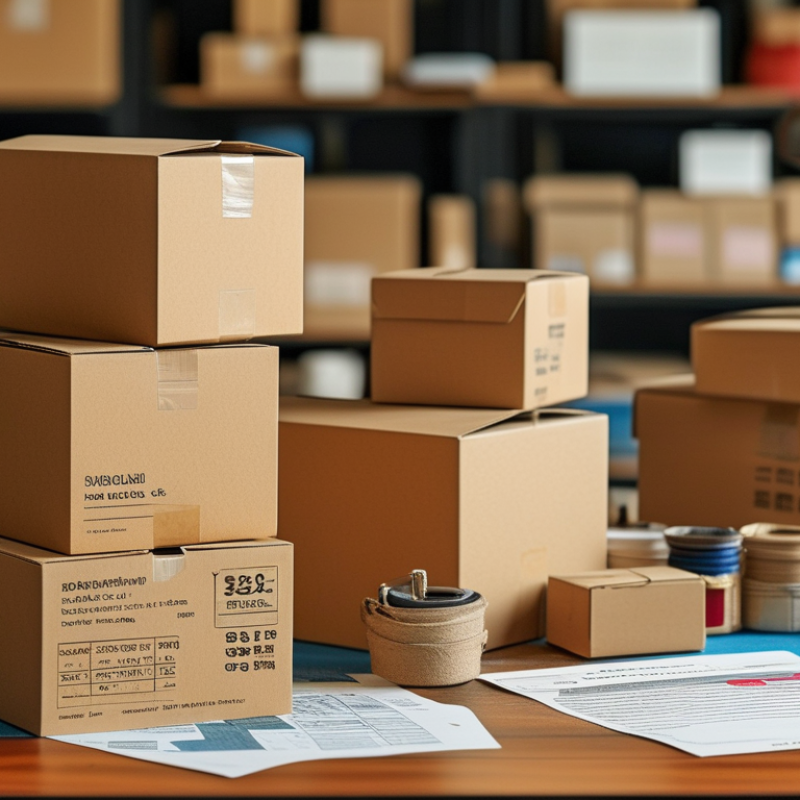
For international orders, confirm dimensions, quantities, delivery addresses, and approved artwork in writing. A simple checklist prevents expensive mistakes. Fulfillment should include protective packaging, tracking, realistic lead times, and a clear process for damaged parcels. Do not promise perfect delivery dates. Customs delays happen.

Tips: Test small orders first. Ask buyers for feedback. Record recurring defects. Review your pricing monthly. Some estimates will be wrong, especially during peak seasons. That is useful evidence, not failure. Improve the next quotation. Offer digital proofs before production, and keep customer files organized by order number. Reliable service often comes from small habits, such as weighing parcels twice and photographing finished goods before pickup.