Top Trends in Bespoke Label Printing for 2025 You Need to Know
In the rapidly evolving world of bespoke label printing, understanding the latest trends is essential for businesses aiming to stay ahead of the curve in 2025. As we venture into this dynamic market, industry expert Sarah Thompson, a leading figure in bespoke label printing, emphasizes that "the future of labeling is not just about aesthetics; it’s also about creating meaningful connections with consumers." This reflects the shift towards labels that not only serve functional purposes but also enhance brand identity and consumer engagement.
With advancements in technology and an increasing demand for personalization, bespoke label printing is set to transform the packaging landscape. Businesses are recognizing the importance of tailored solutions that resonate with their target audience, which is prompting a surge in innovative designs and sustainable practices. As brands strive to differentiate themselves, understanding these trends will be crucial for success in a competitive environment.
In this article, we will explore the top trends in bespoke label printing that are expected to shape the industry in 2025. From eco-friendly materials to groundbreaking design techniques, these trends will provide valuable insights for companies looking to leverage bespoke label printing to enhance their market presence and establish stronger ties with their customers.
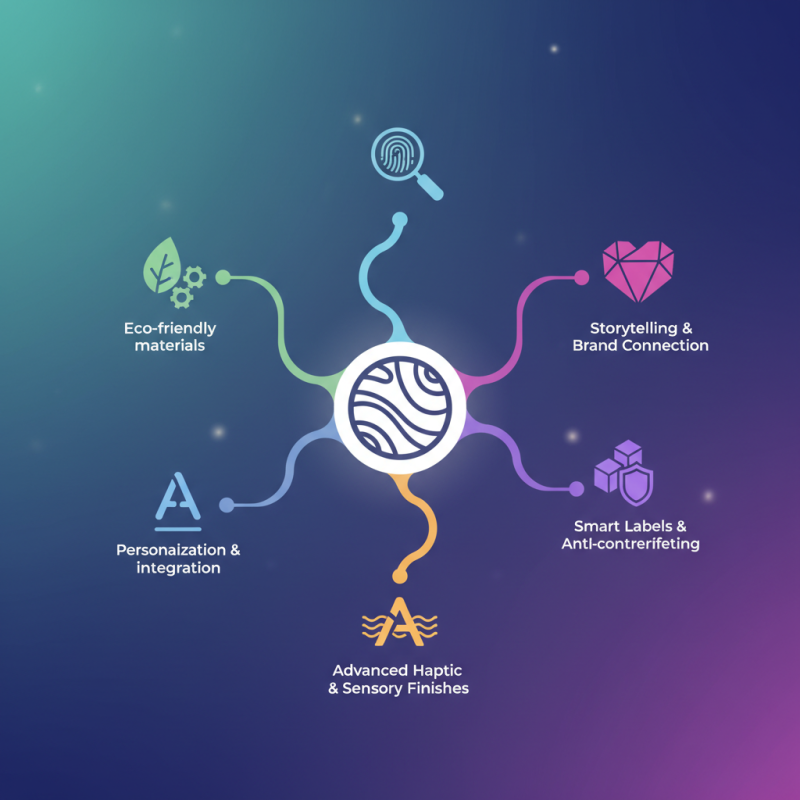
Emerging Technologies in Bespoke Label Printing for 2025
The landscape of bespoke label printing is rapidly evolving as we approach 2025, driven by the integration of innovative technologies that significantly enhance customization and efficiency. One of the most notable trends is the adoption of advanced digital printing techniques, which allow for short-run production and on-demand printing. This enables brands to create highly personalized labels tailored to specific target audiences, improving customer engagement and satisfaction. Technologies such as inkjet and dye-sublimation are becoming more prevalent, offering vibrant color reproduction and greater design flexibility.
Furthermore, automation and artificial intelligence are set to revolutionize the bespoke label printing industry. Automated workflows streamline the production process, reducing human error and increasing output speed. AI-driven design software can analyze consumer preferences and suggest optimal design elements, making the creation of custom labels more intuitive and efficient.
Alongside this, developments in sustainable printing technologies are gaining traction, as eco-friendly materials and processes are becoming crucial in meeting consumer demand for environmentally conscious products. These advancements not only enhance the creativity and uniqueness of labels but also align with a growing emphasis on sustainability in the packaging industry.
Sustainable Practices Influencing Label Printing Trends in 2025
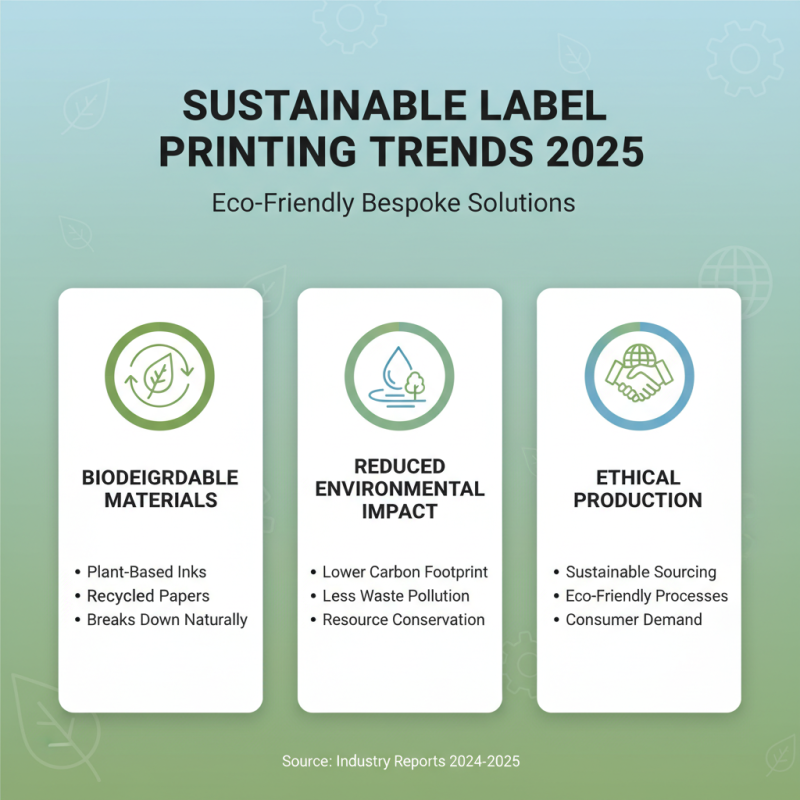
As we move towards 2025, sustainable practices are becoming increasingly pivotal in shaping the trends in bespoke label printing. Businesses and consumers alike are prioritizing eco-friendly solutions, and label printing is no exception. One of the most significant shifts observed is the use of biodegradable materials that break down naturally without harming the environment. This includes plant-based inks and recycled papers, which not only reduce waste but also contribute to a lower carbon footprint. Label manufacturers are now investing in sustainable sourcing and eco-friendly production processes, aligning their operations with the growing demand for environmental responsibility.
Additionally, the rise of digital printing technology is facilitating more sustainable options. Digital printing allows for shorter runs and reduced waste, as companies can produce labels on demand without the excess of traditional printing methods. This flexibility enables brands to switch to eco-conscious designs and materials more easily, minimizing leftover stock and excessive resource use. Furthermore, customization options are expanding, allowing businesses to convey their commitment to sustainability directly on their labels, thereby enhancing consumer transparency and engagement. As sustainability takes center stage, bespoke label printing is set to evolve, prioritizing ecological considerations while meeting the unique needs of brands.
Customization and Personalization: The Future of Label Design
The landscape of label design is rapidly evolving, with customization and personalization emerging as pivotal trends for 2025. According to a report by Smithers Pira, the global digital label printing market is projected to reach $22 billion by 2025, largely driven by consumer demand for tailored products. This trend is reshaping the industry, as brands increasingly recognize that personalized packaging not only enhances customer experience but also fosters brand loyalty. In fact, a survey by Statista reveals that 60% of consumers are more likely to purchase from a brand that offers personalized products.
Furthermore, advancements in printing technology are making bespoke label creation more accessible and cost-effective. As digital printing techniques become more sophisticated, businesses can easily produce short runs of customized labels without sacrificing quality or increasing lead times. This agility allows brands to respond to shifting consumer preferences and seasonal trends, as 63% of consumers express a desire for unique designs that reflect their individuality. Consequently, the future of label design is set to prioritize not only visual appeal but also a meaningful connection between the product and its consumer, emphasizing the importance of customization in retaining market relevance.
Impact of E-commerce on Bespoke Label Printing Strategies
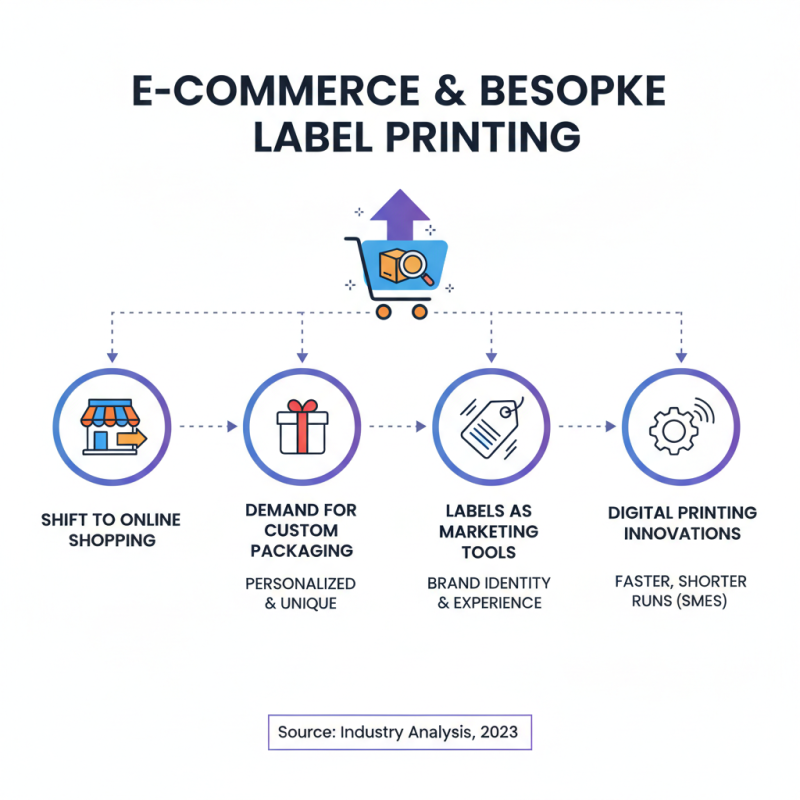
The rise of e-commerce has fundamentally changed the landscape of bespoke label printing, prompting businesses to rethink their strategies in order to remain competitive. With more consumers shopping online, there is an increasing demand for personalized and unique packaging that reflects brand identity. Custom labels are no longer just functional; they are essential marketing tools that enhance customer experience and create lasting impressions. This shift has led to innovations in digital printing technologies, allowing for shorter runs and quicker turnaround times, catering particularly to small and medium-sized enterprises.
To effectively harness the potential of bespoke label printing in the e-commerce space, businesses should focus on quality and aesthetics. By investing in high-resolution printing techniques and sustainable materials, brands can differentiate themselves and appeal to environmentally conscious consumers. Additionally, integrating unique designs that resonate with target audiences can effectively enhance brand loyalty.
**Tips:** Consider using variable data printing to personalize labels for different customer segments. This not only increases engagement but also encourages repeat purchases. Moreover, staying on top of design trends can help ensure that your labels are visually appealing and relevant, making a significant impact in a crowded marketplace.
Innovative Materials Revolutionizing Label Production in 2025
As we move toward 2025, the world of bespoke label printing is undergoing a significant transformation driven by innovative materials. Eco-friendly options like biodegradable films and recycled papers are becoming increasingly popular, offering sustainable alternatives that reduce environmental impact. These materials not only meet consumer demand for greener products but also allow businesses to convey their commitment to sustainability through their branding. Furthermore, advancements in digital printing technologies are enabling the use of unique textures and finishes that enhance the visual appeal of labels, making them more attractive to consumers.
Tip: When considering materials for your label production, look for options that highlight your brand's values, such as sustainability or local sourcing. This could resonate well with today's environmentally conscious consumers.
Another exciting trend is the integration of smart materials into label designs. Labels embedded with QR codes or NFC technology make it easy for consumers to access additional product information instantly. This tech-savvy approach not only engages customers but also enhances their overall experience, making products more interactive. Additionally, materials that respond to environmental changes, like heat-sensitive inks, offer brands inventive ways to convey information.
Tip: Explore integrating smart elements into your labels to create a more interactive consumer experience. This could range from simple QR codes for product details to advanced functionalities that provide real-time information, enhancing customer engagement.
Top Trends in Bespoke Label Printing for 2025 You Need to Know
| Trend |
Description |
Innovative Materials |
Advantages |
Projected Growth (%) |
| Sustainable Materials |
Increase in eco-friendly label production methods. |
Recycled paper, biodegradable plastics |
Reduces environmental impact, appeals to eco-conscious consumers |
20% |
| Smart Labels |
Integration of RFID and QR codes for enhanced functionality. |
RFID tags, NFC-enabled materials |
Improved tracking, customer engagement |
30% |
| Personalization |
Custom labels tailored for individual consumer preferences. |
Variable data printing materials |
Enhances brand loyalty, unique customer experience |
25% |
| Color Management Innovations |
Advanced printing techniques for vibrant colors. |
Eco-solvent inks, new pigment technologies |
Greater design flexibility, captivating labels |
15% |
| Digital Printing Growth |
Shift from traditional to digital label printing. |
High-quality digital inks, synthetic substrates |
Shorter runs, faster turnaround |
35% |