Best Industrial Label Printing Solutions for 2026 What to Know?
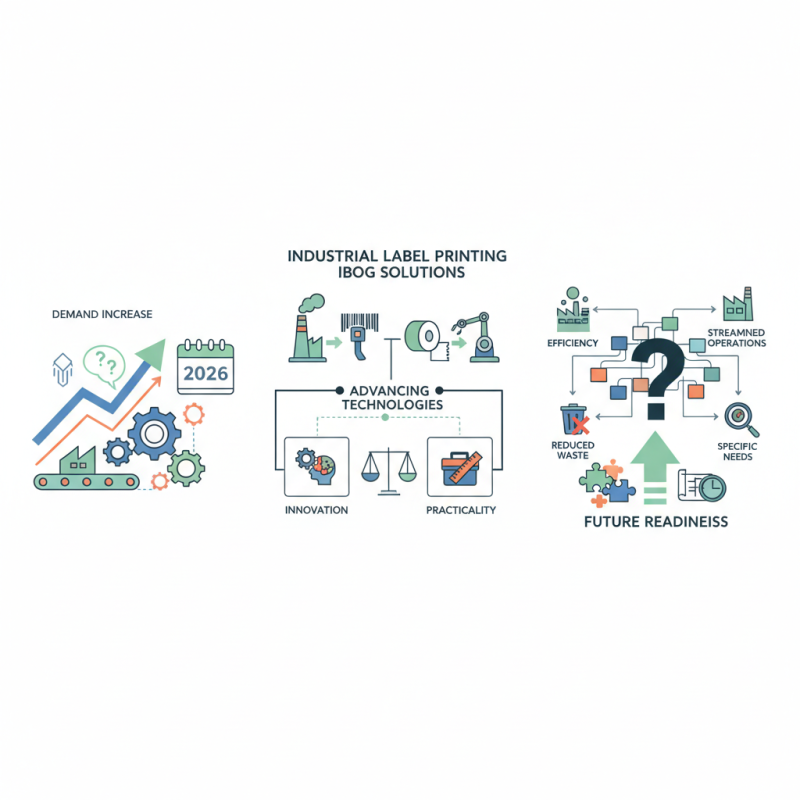
In the fast-evolving world of industrial label printing, businesses face a pivotal moment. By 2026, the demand for efficient labeling solutions will increase significantly. Companies must adapt to these changes to stay competitive.
Industrial label printing technologies are advancing rapidly. New methods enhance productivity and reduce waste. Businesses need to consider their specific needs when choosing printing solutions. The right equipment can streamline operations and minimize errors.
However, not every solution will fit. Some may find that the latest technology is not the best choice. Relying too much on automation could overlook unique challenges. It is essential to strike a balance between innovation and practicality. Identifying the right approach today prepares businesses for the future landscape of industrial label printing.
Overview of Industrial Label Printing Trends for 2026
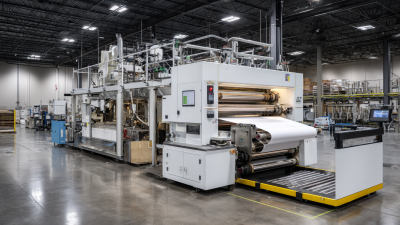
The industrial label printing landscape is evolving rapidly. By 2026, automation will dominate. According to a recent industry report, nearly 75% of companies will adopt automated systems. This trend enhances efficiency and reduces human error. Automation allows for quick adjustments and greater accuracy in label production.
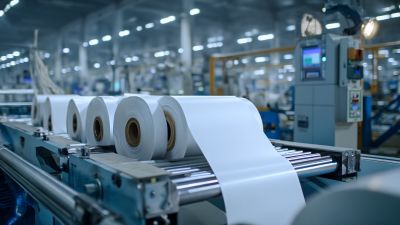
Sustainability is another key theme. Many firms are shifting towards eco-friendly materials. A study by a leading market research group predicts that 60% of labels will be made from recyclable or biodegradable materials by 2026. This change reflects broader corporate responsibility efforts and consumer demand for greener products.
Despite these advancements, challenges persist. Many companies struggle with outdated technology. The integration of new systems can be daunting. Companies need to invest in training to maximize the potential of modern technologies. This gap between capability and implementation must be addressed. It’s crucial for organizations to evaluate their existing processes and develop a strategic plan for effective adoption.
Key Features to Look for in Industry Label Printing Solutions
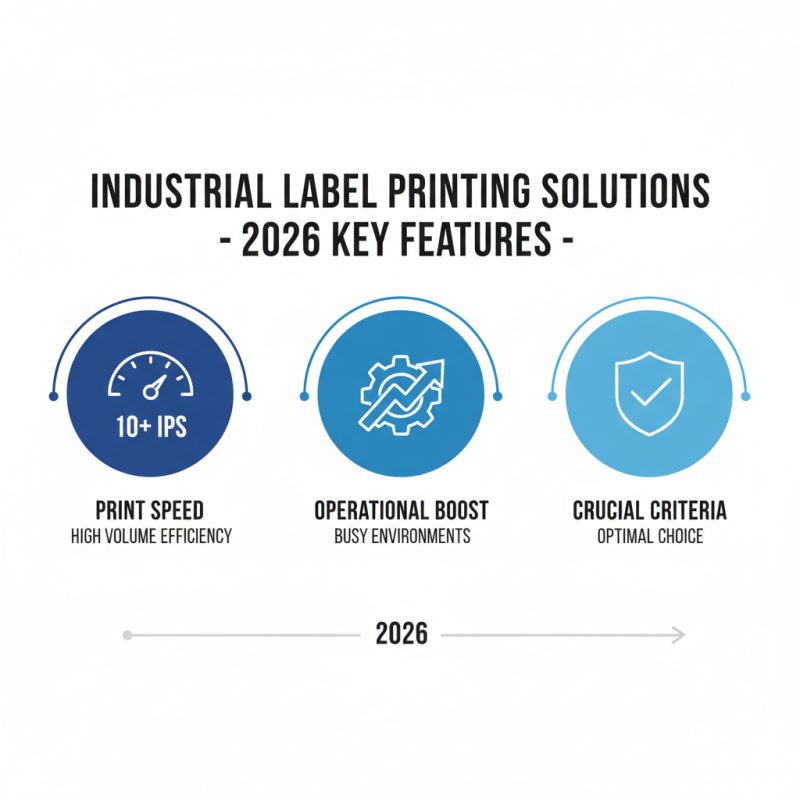
When choosing industrial label printing solutions for 2026, certain key features stand out. For starters, print speed is crucial. Research indicates that companies requiring high volumes of labels should aim for printers with speeds exceeding 10 inches per second. This capacity can significantly boost operational efficiency in busy work environments.
Durability remains another vital consideration. Labels must withstand various environmental conditions. A study from industry experts shows that nearly 40% of label failures occur due to poor resistance to moisture and abrasion. This emphasizes the need for more robust materials in label production. Also, consider the type of ink used. Eco-friendly inks are gradually becoming preferable, with 25% of manufacturers prioritizing sustainability in their purchasing decisions.
Connectivity options are equally important. In an increasingly digital workspace, printers should have multiple connectivity options, including Wi-Fi and Bluetooth. A report revealed that 70% of users find wireless functionality enhances their workflow. However, not all workers are tech-savvy, leading to a potential learning curve. Companies must assess their team’s capabilities before investing. Overall, it's essential to align technology with practical needs for optimal performance.
Comparative Analysis of Leading Label Printing Technologies
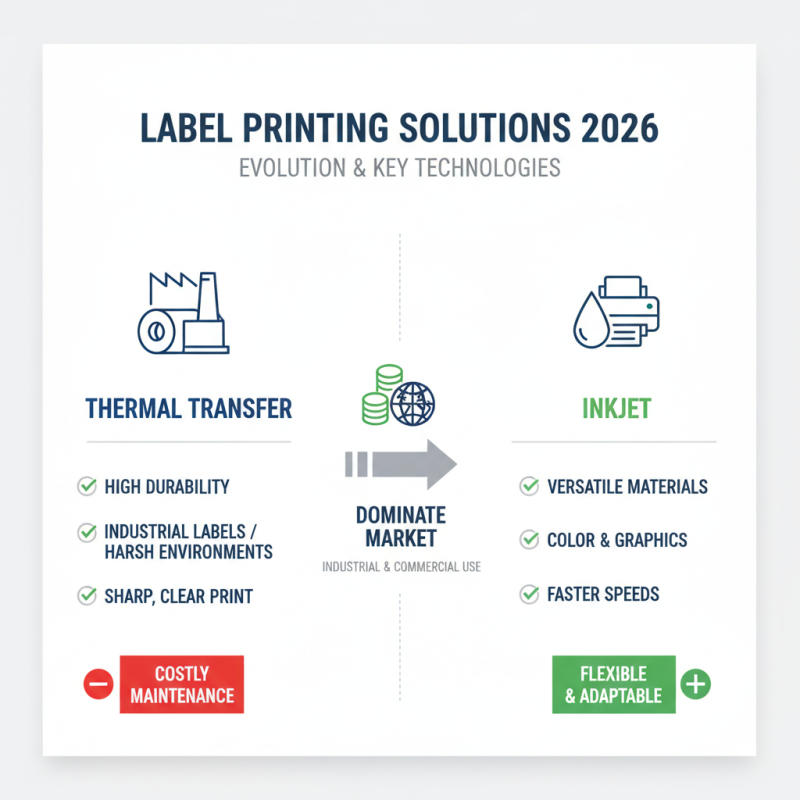
In 2026, label printing solutions will evolve significantly. Technologies like thermal transfer and inkjet will dominate the market. Thermal transfer offers high durability. It is widely used for industrial labels, ensuring longevity even in harsh environments. The print quality is usually sharp and clear. However, it can be costly to maintain.
On the other hand, inkjet printing offers versatility. It can produce vibrant colors and intricate designs. This technology is ideal for short runs and diverse materials. Yet, its speed may lag behind thermal options, especially in high-demand situations. Users need to balance quality with cost and speed.
Another noteworthy technology is digital printing. It allows for customizable designs and quick turnaround. However, it often lacks the durability of thermal solutions. Businesses must evaluate their specific needs. Choosing the right technology is not always straightforward. Each option presents unique advantages and challenges. Adapting to changing market conditions is essential.
Sustainability Practices in Industrial Label Printing
Sustainability is essential in industrial label printing. Many companies are now looking for ways to reduce waste. This includes using eco-friendly materials. Biodegradable and recyclable labels are becoming more popular. These materials can significantly minimize landfill impact.
Water-based inks are also gaining traction in the industry. Unlike solvent-based inks, they don't release harmful chemicals. This can improve air quality in production areas. However, not all water-based inks are sustainable. It's vital to verify their environmental claims. Manufacturers should prioritize transparency and seek certifications.
Companies need to rethink their production processes too. Reducing excess inventory helps limit waste. Digital printing technology allows for on-demand label production. This approach is efficient but can be costly initially. Transitioning to sustainable practices is a journey. Industries must continuously evaluate their methods and make improvements.
Best Industrial Label Printing Solutions for 2026: Sustainability Practices in Industrial Label Printing
| Category |
Sustainability Practice |
Technology Used |
Benefit |
| Eco-Friendly Materials |
Use of recyclable or biodegradable label substrates |
Digital Printing Technology |
Reduced environmental impact |
| Water-Based Inks |
Adoption of water-based inks for printing |
Flexographic Printing |
Lower VOC emissions |
| Energy-Efficient Printers |
Utilization of energy-efficient printing machinery |
LED Print Technology |
Reduced energy consumption |
| Waste Reduction Practices |
Minimizing waste through on-demand printing |
Digital Label Printing |
Lower material waste |
| Eco-Conscious Suppliers |
Collaboration with sustainable supplier networks |
Leveraging Supply Chain Management Software |
Enhanced sustainability tracking |
Emerging Innovations in Label Materials and Printing Techniques
The label printing industry is evolving rapidly, especially with new materials and techniques. Innovative label materials are now more durable and eco-friendly. For instance, biodegradable labels are becoming popular. They offer a sustainable option for businesses looking to reduce their environmental footprint.
Different printing techniques are also emerging. Digital printing, for example, has gained traction due to its efficiency. It allows for short runs and quick adjustments. However, it can come with high initial setup costs. This leaves smaller businesses with limited budgets needing to weigh their options carefully.
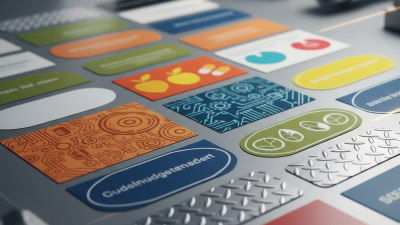
Additionally, the demand for customization is increasing. Businesses want labels that reflect their brand's identity. This pushes manufacturers to innovate constantly. Yet, not all innovations are practical or affordable. Some technologies may be promising but may require deeper analysis before widespread adoption. As the landscape changes, finding the right balance between innovation and cost will be essential for many companies.
Best Industrial Label Printing Solutions for 2026