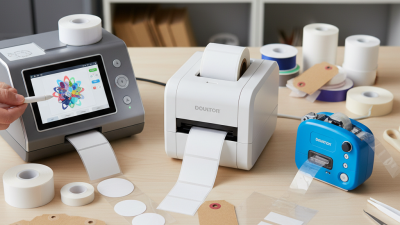
What Are the Best Label Making Machines from China?
Choosing the best label making machines from China requires more than comparing prices on a supplier website. Machine performance depends on label material, printing method, production volume, and finishing requirements. A compact thermal printer may suit short runs, while a rotary or flexographic system can support continuous industrial production. The right choice begins with understanding your actual workflow.
Experienced buyers usually examine print accuracy, registration stability, cutting performance, drying systems, and software compatibility. They also request sample production before placing a large order. A reliable manufacturer should explain tolerances, replacement parts, operator training, and realistic delivery schedules. Clear factory videos help, but an on-site audit or independent inspection provides stronger evidence. Ask for maintenance records and references from similar businesses.
Details matter.
For example, a machine running at 60 meters per minute may slow considerably with adhesive labels, metallic film, or intricate color work. Claimed speed is not always usable speed. This is where some buyers misjudge equipment. I would compare finished samples, waste rates, changeover time, and energy use instead of trusting one impressive specification. Certification, electrical standards, warranty terms, and after-sales support should also receive careful attention. Chinese suppliers offer excellent label making machines, but quality varies between factories and product lines. A balanced evaluation can reveal the best match for your budget, materials, and long-term production goals. Expect questions, not shortcuts.
Types of Label Making Machines Made in China
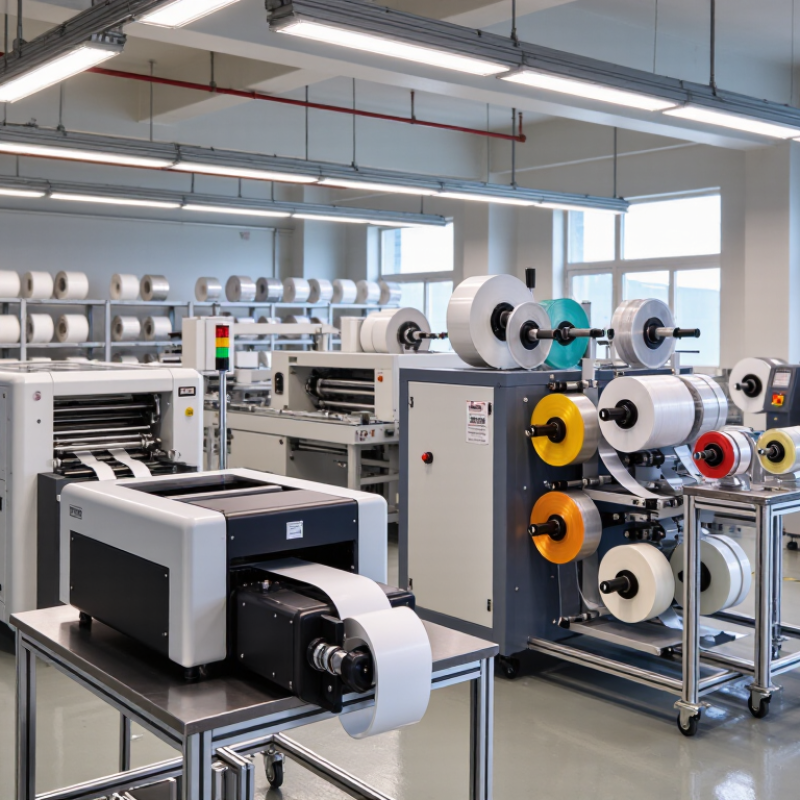
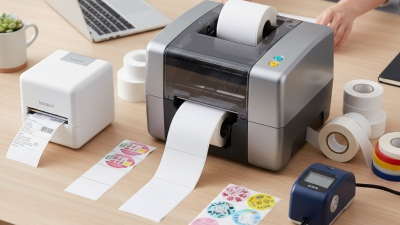
China manufactures several label-making machine types, each suited to a different production environment. Desktop thermal printers work well for shipping labels, product coding, and short runs. They use heat-sensitive media or thermal ribbons, so operators can produce labels quickly with limited setup. Industrial inkjet machines support variable data, color graphics, and frequent artwork changes. Flexographic presses remain practical for long runs, especially when consistent colors and high output matter.
Digital label presses offer another route. They reduce plate preparation and handle changing designs efficiently. According to MarketsandMarkets, the digital label printer market is projected to grow from about USD 1.5 billion in 2023 to USD 2.3 billion by 2028. This growth reflects demand for shorter runs and personalized packaging. Chinese manufacturers also supply semi-rotary presses, inspection systems, die-cutters, and finishing machines. These units can combine printing, laminating, slitting, and rewinding in one production line.
RFID label equipment deserves separate attention. It encodes electronic tags and checks read performance during production. This requires careful alignment, stable web tension, and reliable quality inspection. Smithers reported that the global printed labels market could reach approximately USD 56.9 billion by 2028, increasing pressure for faster and more flexible equipment. In real factory evaluations, output claims need testing with the buyer’s actual material. Paper, synthetic film, adhesive strength, and operator skill can change results. A lower purchase price may hide higher waste, maintenance, or training costs. That detail is easy to miss.
Key Features to Compare Before Choosing a Machine
Choosing the best label making machine from China requires more than comparing prices. In production trials, I examine label width, material compatibility, and cutting accuracy. A machine should handle paper, synthetic film, and adhesive stock without frequent adjustments. Check its maximum printing speed, but verify the speed with real production samples. Fast numbers can be misleading.
Print quality matters every day. Compare resolution, color consistency, drying performance, and barcode readability. Ask for sample labels using your actual artwork and materials. I also inspect the control panel, software compatibility, and data connection options. Clear controls reduce training time. Good machines are easier to operate.
Maintenance deserves equal attention. Look for accessible printheads, replaceable rollers, and simple cleaning procedures. Ask how quickly technical support responds and whether spare parts are available locally. A detailed user manual shows stronger engineering discipline. However, documentation may still contain translation errors, so practical testing remains essential. Noise, power use, and machine footprint can affect a small workshop more than expected. I once focused too heavily on output speed and underestimated setup time. That was a costly mistake. A lower-priced machine may require more labor, especially when changing label sizes. Check warranty terms, inspection records, and factory testing videos before ordering. Also request a written performance agreement for agreed materials and output standards.
What Are the Best Label Making Machines from China? - Key Features to Compare Before Choosing a Machine
| Machine Type | Typical Print or Production Method | Common Resolution or Accuracy | Typical Speed Range | Suitable Materials | Main Advantages | Main Limitations | Best Application | Key Features to Compare |
|---|---|---|---|---|---|---|---|---|
| Desktop Direct Thermal Printer | Heat-sensitive labels are printed directly without ink or ribbon. | Usually 203 or 300 dpi; barcode clarity depends on label quality and printhead condition. | Approximately 50–150 mm/s. | Direct thermal paper and selected synthetic thermal stocks. | Low operating complexity, compact size, and no ribbon replacement. | Labels can fade or darken when exposed to heat, sunlight, chemicals, or long-term storage. | Shipping labels, receipts, warehouse identification, and short-term logistics labels. | Printhead life, media compatibility, cutter option, connectivity, and software support. |
| Desktop Thermal Transfer Printer | A heated printhead transfers ink from a ribbon onto the label surface. | Usually 203 or 300 dpi; 600 dpi is available for small text and detailed graphics. | Approximately 50–150 mm/s. | Paper, coated paper, polyester, polypropylene, and other compatible synthetic stocks. | Better durability and broader material compatibility than direct thermal printing. | Requires ribbons, regular cleaning, and correct adjustment of printhead pressure and temperature. | Product labels, asset labels, laboratory labels, and retail packaging. | Ribbon width options, media roll capacity, printhead replacement cost, and label design compatibility. |
| Industrial Thermal Transfer Printer | Continuous or intermittent thermal transfer printing for high-volume roll-fed production. | 203, 300, or 600 dpi, depending on the printhead configuration. | Approximately 150–300 mm/s, depending on resolution and media. | Paper, film, synthetic labels, tags, and selected flexible packaging materials. | Longer duty cycles, larger media capacity, stable registration, and integration with production lines. | Higher initial cost, larger footprint, and greater installation and maintenance requirements. | Manufacturing, warehousing, chemical identification, cable marking, and bulk product labeling. | Duty cycle, maximum print width, interface protocols, rewind or peel-off options, and service availability. |
| Digital Color Label Printer | Inkjet or toner-based digital printing with variable-data and short-run capabilities. | Commonly 600–1,200 dpi, depending on the print engine and production mode. | Approximately 3–30 m/min, depending on color coverage, resolution, and substrate. | Coated paper, polypropylene, polyester, clear film, and other treated substrates. | Full-color graphics, fast job changes, variable data, and economical short or medium runs. | Ink, toner, coating, and substrate costs can be significant; color consistency requires process control. | Premium packaging, promotional labels, seasonal products, and customized small batches. | Color management, ink or toner cost, white-ink capability, drying system, RIP software, and finishing compatibility. |
| Roll-to-Roll Flexographic Press | Ink is transferred through flexographic plates onto a continuous label web. | Often 1,750–2,540 dpi plate imaging; final detail depends on plate and anilox specifications. | Approximately 30–150 m/min, depending on press configuration and job complexity. | Paper, film, foil laminates, and other roll-fed label materials. | High production volume, strong color consistency, and efficient unit cost for repeat orders. | Plate preparation, setup time, material waste, and longer changeover compared with digital printing. | Large-volume food, beverage, personal-care, household, and industrial label production. | Number of colors, web width, drying method, inline varnishing, die-cutting, inspection, and waste removal. |
| Digital Label Cutter and Finishing Machine | Computer-controlled knife cutting, contour cutting, slitting, laminating, or rewinding. | Cutting tolerance commonly around ±0.2–0.5 mm, depending on material and registration system. | Typically 2–15 m/min for contour cutting; simple slitting can be faster. | Printed paper, adhesive films, clear labels, synthetic stocks, and laminated materials. | No physical dies for each shape, fast prototyping, and flexible custom label production. | Generally slower than rotary die-cutting for very large production volumes. | Custom shapes, samples, short runs, variable-size labels, and on-demand finishing. | Optical registration, cutting force control, software workflow, waste matrix removal, and rewinding accuracy. |
| Automatic Label Applicator | Peel-and-apply, wipe-on, tamp-blow, or air-blow application to products or packages. | Placement accuracy is commonly about ±1–2 mm under stable product and conveyor conditions. | Approximately 20–200 products per minute, depending on label size and package geometry. | Pre-printed paper, film, transparent, tamper-evident, and specialty adhesive labels. | Improves labor efficiency, repeatability, throughput, and application consistency. | Requires compatible product dimensions, conveyor timing, label adhesive, and accurate sensor setup. | Bottles, cartons, bags, boxes, jars, and other standardized packages. | Product range, label roll direction, sensor type, conveyor integration, changeover time, and reject detection. |
Top Chinese Label Machine Categories by Application
What Are the Best Label Making Machines from China?
Chinese label machines are best selected by application, not appearance. For short runs, desktop thermal-transfer machines suit shipping, retail, and warehouse labels. They produce sharp barcodes with limited setup waste. For food, cosmetics, and daily-use products, pressure-sensitive labelers offer flexible positioning. Automatic models can handle round bottles, jars, and cartons at stable speeds. According to Grand View Research, the global printed labels market was valued at about USD 48.9 billion in 2023. This growth increases demand for adaptable equipment.
For beverage and cylindrical packaging, wrap-around machines provide clean, continuous placement. Sleeve-label systems support full-body graphics but require careful heat control. Industrial inline machines combine printing, coding, inspection, and application. They fit high-volume production lines. Small factories may prefer semi-automatic equipment. It costs less and allows easier format changes. No category wins every time. A common mistake is trusting advertised speed without testing label gaps, adhesive strength, and container tolerance.
Tips: Ask for a live sample using your materials. Check changeover time, sensor accuracy, spare-part availability, and operator training. Request test results for the smallest and largest containers. Also review reports from Smithers, PMMI, and regional packaging associations before comparing quotations. Speed matters. Yet, real output may fall when labels wrinkle, peel, or require repeated alignment. The better choice is the machine that remains dependable during ordinary production, not only during a factory demonstration.
How to Evaluate Quality, Cost, and Production Capacity
Choosing a label making machine from China requires more than comparing prices.
Quality appears in small details: stable web tension, accurate color registration, clean die cutting, and smooth rewinding. Ask for production samples using your actual label material, adhesive, and artwork. A machine that performs well on paper may struggle with thin film or textured stock.
Cost should include installation, training, spare parts, energy use, and expected maintenance. Request a detailed quotation with each item listed clearly.
Check the control system, motor components, safety guards, and inspection records. Remote demonstrations help, but an independent factory inspection offers stronger evidence.
Short sentences matter here.
Claims need proof.
Production capacity must match your real orders, not an impressive maximum speed. Compare usable output after setup, material changes, rejects, and cleaning.
Ask how quickly operators can change label sizes and whether several shifts are practical. My own early mistake was focusing too heavily on hourly speed. It ignored waste during changeovers. That lesson still matters.
Review trial reports, warranty terms, response times, and technical documentation before payment. A reliable supplier should answer detailed questions without avoiding weaknesses. Even then, uncertainty remains. Reserve time for testing, operator learning, and adjustments after installation.
Buying, Installation, and After-Sales Support Considerations
What Are the Best Label Making Machines from China?
Choosing a label making machine requires more than comparing online prices. Define your material, label size, production speed, and finishing needs before contacting suppliers. Ask for test samples using your actual paper, film, adhesive, and artwork. Small differences in adhesive performance can create waste during high-volume production. Request specifications, utility requirements, warranty terms, and a complete list of included components. A video factory inspection or independent audit can also reveal assembly quality and testing procedures.
Tips: Confirm installation support before signing. Ask whether technicians provide remote guidance, on-site training, and multilingual manuals. Prepare a level floor, stable power supply, ventilation, and enough operating space. Installation should include calibration, safety checks, operator training, and sample production. Record each setting during acceptance testing. It saves time later.
After-sales support often determines the machine’s real value. Choose a supplier that identifies response times, spare-parts availability, troubleshooting procedures, and software update responsibilities in writing. Ask for references from similar users, but verify the details independently. A practical service agreement should explain who pays for travel, replacement parts, and repeated visits. Keep critical consumables in stock, especially cutting tools, sensors, and printing components. No checklist is perfect. I would still leave room for unexpected adjustments, because real production rarely matches the showroom demonstration. A reliable supplier should respond clearly when problems appear, not only before payment.
Related Posts
-
2025 How to Choose the Best Label Making Machines for Your Needs
-
Top 10 Label Making Machines for Easy and Efficient Label Creation
-
What is an Industrial Label Printer and How It Benefits Your Business
-
2026 Best Label Printers for Your Business Needs?
-
How to Choose the Best Label Writers for Your Business?
-
Best Label Printers for Global Buyers in 2026?