2026 Best Labels to Use for Your Products and Marketing Strategies?
As the market evolves, businesses face new challenges and opportunities. In 2026, effective labeling remains crucial. It helps products stand out and conveys brand identity. With so many choices, how do you choose the right labels? Label it labels play a significant role in this process.
Each label tells a story. High-quality materials and visually appealing designs draw customers in. However, some brands overlook these details. They may choose cheap options, thinking it saves money. This often backfires, leading to poor impressions. Customers notice when a brand doesn't invest in quality.
Marketing strategies must also adapt to these trends. Labels can enhance marketing efforts by creating a memorable experience. Yet, businesses sometimes forget this connection. They focus solely on product functionality. A successful approach combines both aspects. Reflecting on these challenges can guide brands toward better decisions.
Best Label Materials for Different Product Types
When it comes to labeling products, the material you choose can significantly impact your marketing. Different products require different types of label materials. For example, food items need waterproof labels to avoid moisture damage. Yet, many forget that not all labels are food-safe. Choosing the right material is crucial for food safety.
Cosmetic products often benefit from elegant, shiny labels. These can enhance the aesthetic appeal of the product. But be cautious; some shiny materials can peel off over time. Consider how the packaging interacts with the product over its shelf life. Durable options exist, but they may not always align with your desired look.
For industrial products, durability is key. Labels must withstand rough conditions and chemical exposure. While there are tough materials, not every option is eco-friendly. This can lead to tension between sustainability and practicality. Think about where compromises might exist and how to balance them. Finding the right label involves making thoughtful decisions.
2026 Best Labels to Use for Your Products
This chart displays the best label materials for different product types in 2026, focusing on their popularity and effectiveness for marketing strategies.
Color Psychology in Label Design for Branding Success
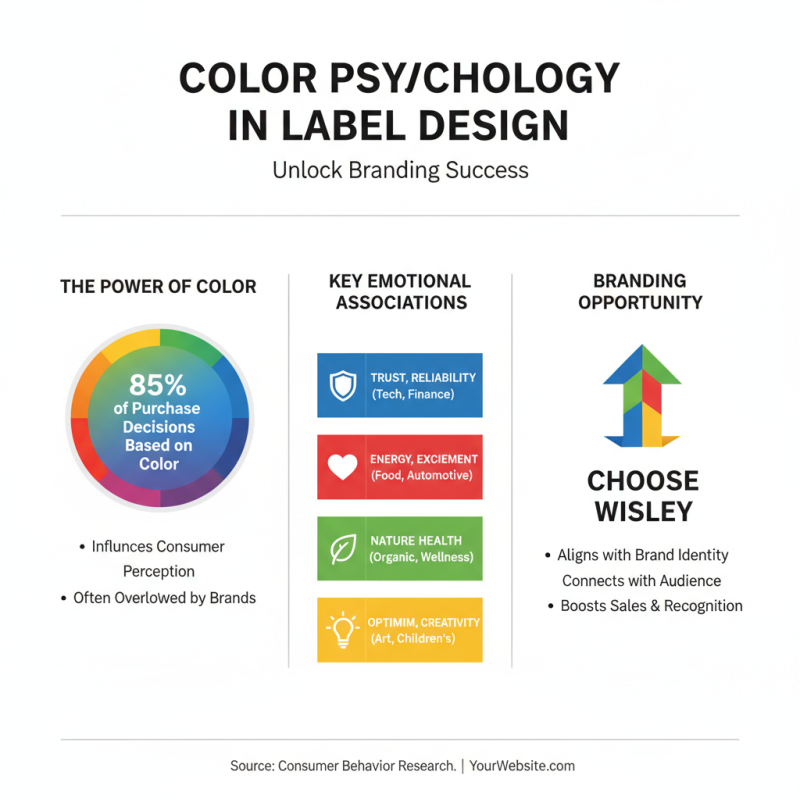
Color psychology plays a crucial role in label design. The colors you choose can greatly influence consumer perception. For instance, research shows that 85% of consumers make purchase decisions based on color alone. Brands often overlook this fact, leading to missed opportunities.
Red evokes urgency, making it effective for clearance sales. Blue, on the other hand, connotes trust and professionalism, which can be beneficial for products requiring consumer confidence. Yet, not all brands leverage these insights. A report indicated that 75% of products fail to use color strategically. This reflects a lack of understanding about the emotional connection colors can create.
Additionally, the combination of colors impacts how labels are received. Contrast is essential; without it, labels can become visually confusing. A study revealed that high contrast can increase readability by 60%. However, many designs lack this critical element. It's vital for companies to reflect on their labeling strategies. Ignoring color psychology might limit their branding success.
Key Features for Effective Product Labels
When creating effective product labels, clarity is paramount.
Studies indicate that 67% of consumers rely on product labels for making purchasing decisions. Labels should clearly convey essential information. This includes product benefits, usage instructions, and ingredients. If these elements are missing or unclear, potential customers may overlook the product entirely.
Color and design play significant roles. Research shows that 90% of snap judgments about products are based on color alone. Brands should choose colors that resonate with their target audience while aligning with their identity. Too many colors can overwhelm consumers. Simplicity often leads to better recognition and recall.
However, the challenge lies in balancing aesthetics with functionality. Many brands focus heavily on visuals, neglecting vital information. It’s crucial to test label designs with real consumers. Feedback can uncover issues that marketers might not foresee. Regularly updating labels can also be beneficial. Trends change, and staying relevant is key. Avoiding these pitfalls can significantly enhance product appeal and market performance.
Innovative Labeling Techniques to Enhance Consumer Engagement
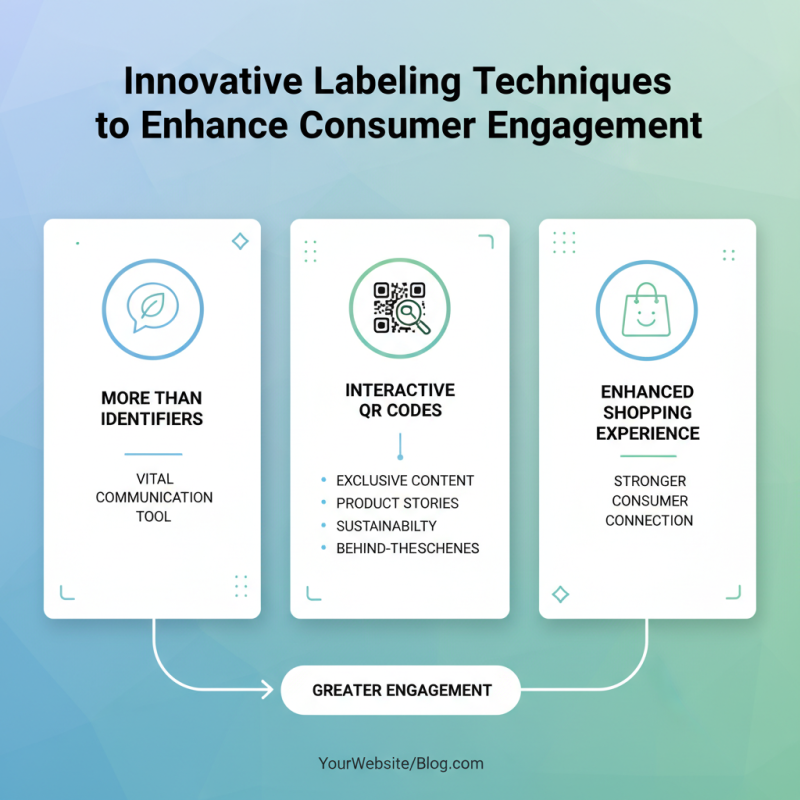
Labels are more than just identifiers; they are a vital communication tool. Innovative labeling techniques can create a strong consumer connection. For instance, utilizing interactive QR codes on labels offers customers access to exclusive content. This content could include product stories, sustainability practices, or behind-the-scenes insights. It enhances the overall shopping experience, making it more engaging.
Another effective strategy involves personalized labeling. Custom labels that allow consumers to add their names or messages can increase emotional attachment to the product. This personal touch can make a product feel special. However, brands must ensure that this approach doesn't compromise quality.
Incorporating bold visuals and unique textures can also draw attention. Bright colors or tactile elements differentiate products on shelves. Yet, it's essential to align these choices with the brand’s identity. If not, there may be a disconnect with the target audience. Labels should reflect authenticity. Balancing creativity with clarity in messaging is a constant challenge.
Integrating Labels into Overall Marketing Campaigns
Labels are a critical part of any marketing campaign. They're not just information carriers; they are your brand's voice. A well-designed label can capture attention in just a glance. For instance, consider vibrant colors and unique shapes that align with your product's essence. These elements work together to create a memorable first impression.
Integrating labels into marketing strategies requires thoughtful planning. It’s essential to ensure that labels reflect the product's quality. Consumers often dismiss poorly designed labels. They connect visuals with trust and value. Also, labels should be adaptable for various platforms, from physical stores to online shops. You might question if your labels are effectively conveying your brand message.
Feedback gathering can be invaluable here. If your target audience doesn’t connect with your label, consider redesigning. It’s a challenge, but it can lead to better engagement. Experimenting with graphics and text can help you discover what resonates. Don't shy away from making those tough design choices. Revision is a part of the creative process. Finding the perfect label can take time, but persistence pays off.