What is the Best Polyethylene Board for Your Needs?
In the realm of industrial materials, choosing the right Polyethylene Board is crucial. According to Dr. Linda Hartman, a leading expert in polymer science, "Selecting the right Polyethylene Board can dramatically influence your project's success." Understanding your specific needs, whether for construction, signage, or packaging, is key to making an informed choice.
Polyethylene Boards come in various types, each suited for different applications. Some boards are rigid and strong, ideal for structural applications. Others are flexible and lightweight, perfect for packaging needs. Identifying the correct type can prevent costly mistakes. Consider factors like durability, environmental resistance, and UV stability.
It's important to remember that not all Polyethylene Boards are created equal. A lower price may entice buyers, but it can lead to performance issues later on. Take time to research reputable suppliers and consider warranty options. Striking the right balance between cost and quality often requires reflection and diligent decision-making.
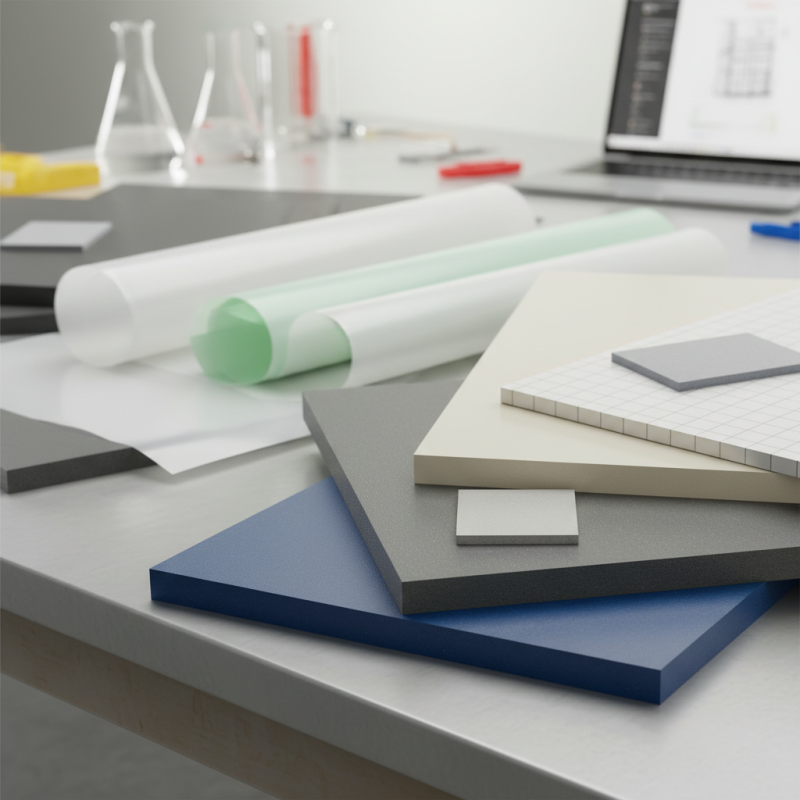
Understanding Polyethylene: Types and Properties
Polyethylene is a versatile material widely used in various applications. It comes in several types, each with distinct properties. Understanding these types can help you choose the best board for your needs.
There are two primary forms of polyethylene: High-Density Polyethylene (HDPE) and Low-Density Polyethylene (LDPE). HDPE is known for its strength and durability, making it ideal for construction and industrial applications. LDPE, on the other hand, offers flexibility and is suitable for packaging. Knowing the differences can greatly influence your project’s outcome.
Tips: Always assess the environment where the board will be used. UV exposure can weaken some types of polyethylene. Consider the temperature extremes, too. Not all polyethylene boards perform well in extreme conditions.
When selecting a polyethylene board, consider your specific needs. You might need a board resistant to chemicals or weather. Some boards may not provide adequate support for heavy loads. It’s essential to weigh these factors carefully. Make sure you review the properties thoroughly before making a decision.
Applications of Polyethylene Boards in Various Industries
Polyethylene boards are increasingly vital in various industries due to their unique properties. These boards are lightweight, resistant to moisture, and have excellent chemical resistance. In the construction sector, they serve as effective insulation materials. According to a recent report by the Plastic Industry Association, the demand for polyethylene in construction has grown by 15% over the past three years, reflecting its widespread acceptance.
In the healthcare industry, polyethylene boards are used to manufacture medical equipment and devices. This material is easy to sterilize and very durable, making it ideal for hospitals. A 2022 study noted that polyethylene components constituted over 30% of medical device materials used globally. However, there are challenges in sourcing high-quality polyethylene that meets strict healthcare standards.
Moreover, the transportation sector utilizes polyethylene boards for protective packaging. These boards reduce damage during shipping and handling. The logistics industry reports that using polyethylene packaging can decrease costs by up to 20%. Yet, there is ongoing debate about the environmental impact of polyethylene production. Balancing performance with sustainability remains a primary concern. Continuous innovation is necessary to address these issues effectively.
What is the Best Polyethylene Board for Your Needs?
| Application | Type of Polyethylene Board | Thickness (mm) | Common Uses |
| Food Processing | HDPE Board | 10 | Cutting boards, food trays |
| Signage | Foam Board | 5 | Outdoor signage, displays |
| Agriculture | LDPE Board | 8 | Protective covers, plant containers |
| Construction | UHMWPE Board | 20 | Flooring, wall protection |
| Transportation | Polyethylene Sheet | 15 | Vehicle lining, padding |
Factors to Consider When Choosing a Polyethylene Board
When selecting a polyethylene board, several factors matter. First, consider the thickness required for your project. Thicker boards offer greater durability but can be more challenging to handle. If you're working on a temporary installation, a thinner board may suffice.
Next, think about the board's density. Denser boards resist impact and wear, making them ideal for rugged applications. Weight also plays a role in transport and installation, so balance durability with ease of handling. Additionally, consider your project's environmental conditions. UV resistance is crucial for outdoor use, as boards exposed to sunlight may degrade over time.
Lastly, evaluate the finish of the polyethylene board. A textured surface can enhance grip and reduce slipping, while a smooth finish is easier to clean. It’s important to acknowledge that selection can feel overwhelming. Take the time to reflect on your needs and potential trade-offs. Every project is unique, and finding the right board may require some trial and error.
Comparing Common Brands of Polyethylene Boards
When comparing common brands of polyethylene boards, it's essential to consider their specific properties. Polyethylene, known for its durability and chemical resistance, is widely used in various applications. For instance, high-density polyethylene (HDPE) boards typically offer greater impact resistance than low-density options. According to industry reports, HDPE can withstand temperatures ranging from -40°F to 180°F. This wide range makes it suitable for outdoor projects.
Another critical factor is the board's thickness and weight. Thicker boards generally provide better stability and strength, which is vital for demanding applications like industrial settings. Data suggests that boards with a thickness of 0.5 inches or more can endure significant wear and tear. Additionally, different surface textures can impact usability. Smooth surfaces may be easier to clean, while textured options can provide better grip, particularly in safety-related situations.
While many brands offer quality products, some may not meet specific use cases effectively. It's crucial to assess your needs and to weigh factors such as cost against performance. Not every brand excels in all areas, and customer feedback often highlights experiences related to long-term durability or ease of maintenance. A thoughtful approach can lead to better choices that enhance your projects.
Maintenance and Care for Your Polyethylene Board
Maintaining a polyethylene board is essential for ensuring its longevity and performance. Regular cleaning is key. A simple solution of mild soap and water works wonders. Use a soft cloth to remove dirt and grime gently. Avoid abrasive materials that can scratch the surface. For stubborn stains, a mixture of baking soda and water can be effective without damaging the board.
Storage also plays a crucial role in care. Keep the board out of direct sunlight when not in use. UV rays can degrade the material over time. If the board is frequently exposed to harsh weather, consider sheltering it to prolong its lifespan. It is easy to overlook these care tips, yet neglect can lead to diminished performance.
Regular inspections help identify any wear before it becomes a serious issue. Look for signs of warping or fading. If you notice any damage, it’s wise to address it promptly. A small crack can lead to bigger problems if ignored. While polyethylene boards are durable, they need attention. Reflect on your maintenance habits and adapt as necessary.
