Top Beverage Label Printing Trends You Should Know?
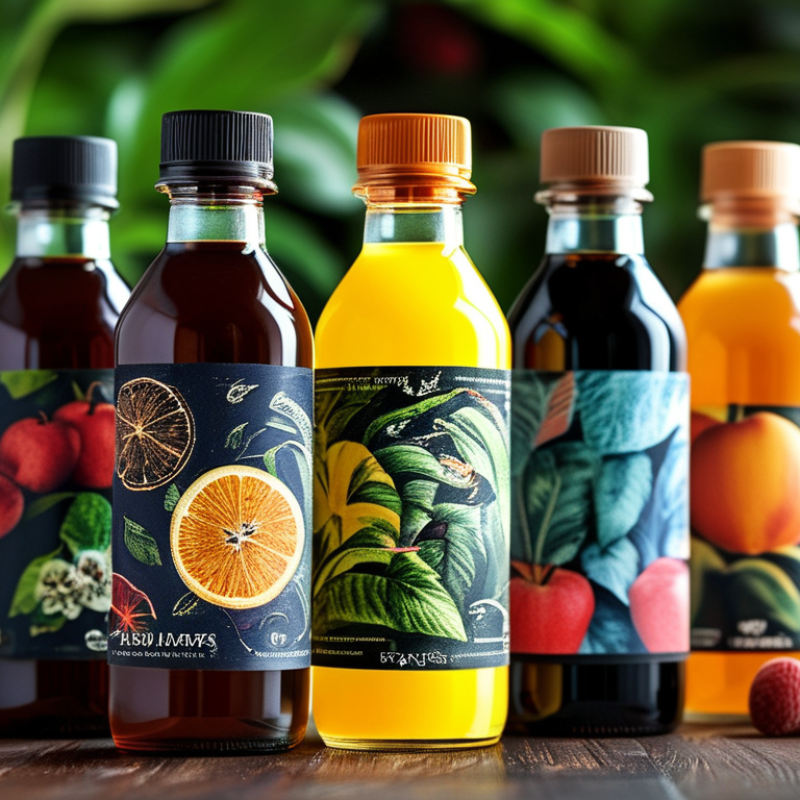
In the rapidly evolving world of beverage label printing, staying current with trends is essential. Labels are more than just identifiers; they are powerful marketing tools. Well-designed labels can attract customers and communicate essential information about the product.
As the competition grows, manufacturers must pay attention to emerging trends in beverage label printing. Innovative technologies, unique designs, and eco-friendly materials are now at the forefront. For example, digital printing allows for customization, enabling brands to connect better with their audience.
However, challenges persist. Not all manufacturers can adapt swiftly to these new trends. Some may struggle with costs or lack expertise. In this dynamic landscape, understanding the latest trends in beverage label printing can make a significant difference. Brands that embrace change are more likely to thrive.
Emerging Technologies in Beverage Label Printing
The beverage label printing industry is witnessing a technological revolution. Emerging technologies are shaping how labels are designed, produced, and printed. Digital printing is at the forefront, allowing for shorter runs and greater customization. According to market research, digital label printing is expected to grow at a CAGR of 10% from 2022 to 2027. This growth reflects a demand for personalized packaging that resonates with today’s consumers.
One notable innovation is the use of sustainable materials. More brands are opting for biodegradable and recyclable options. Research shows that 70% of consumers prefer eco-friendly packaging. This demand has pushed manufacturers to adapt and introduce advanced materials that meet regulatory standards while maintaining aesthetic appeal. Labels can now be printed with water-based inks, which are less harmful to the environment.
When considering your beverage label printing, think about incorporating augmented reality features. This technology can engage customers and enhance product interaction. Use QR codes or NFC chips to link to additional content. As consumer preferences evolve, staying ahead means embracing change and reflecting on the choices made. Aligning your packaging with customer values can strengthen brand loyalty in this competitive landscape.
Sustainability Practices in Label Production
Sustainability is a growing concern in beverage label production. Many companies are adopting eco-friendly materials to minimize their environmental impact. This includes using recyclable paper and biodegradable inks. These materials not only reduce waste but also appeal to a conscious consumer base.
However, challenges exist. Sourcing sustainable materials can be costly and time-consuming. Some manufacturers prioritize speed over sustainability, which can lead to choices that compromise eco-friendly practices. Additionally, consumer education on the benefits of these choices remains limited.
Investing in sustainable label production can seem daunting, yet the long-term gains are significant. Companies contribute to a healthier planet while enhancing their brand reputation. As awareness rises, it is vital for businesses to embrace continuous improvement in their sustainable practices.
Customization and Personalization Trends in Labeling
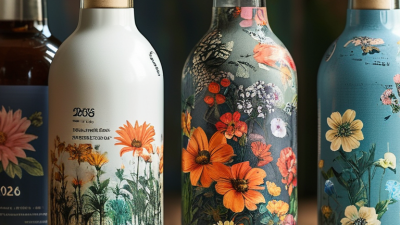
The beverage industry is shifting towards customization and personalization in labeling. Consumers now seek unique products that reflect their identity. Custom labels provide an emotional connection. They allow brands to tell stories that resonate with their audience. This trend emphasizes the need for innovation in the labeling process.
Incorporating personal touches in labels can be as simple as using customers' names or special messages. Some brands use variable data printing, enabling customized labels for limited editions. However, this requires careful planning and execution. Brands must ensure consistency in quality while navigating the complexities of individualized production. Mistakes can harm a brand's reputation.
Designing personalized labels can also involve challenges. It is important to balance creativity with practicality. Labels must remain functional and comply with regulations. Often, brands may focus too much on aesthetics and overlook essential information. This can mislead consumers and result in compliance issues. Embracing personalization should not compromise clarity or legality.
Innovative Materials for Beverage Labels
Innovative materials are reshaping the beverage label printing industry. A recent report indicated that sustainable label materials grew by 25% over the past year. This shift is driven by consumer demand for eco-friendly options. Many brands are now exploring biodegradable and recyclable materials to align with their sustainability goals.
Inks made from renewable resources are becoming more popular. Water-based and soy-based inks are gaining traction, offering a less harmful alternative to traditional inks. These inks not only reduce environmental impact but also enhance print quality. Brands that adopt these materials report a 15% increase in market appeal.
However, challenges remain. Sourcing high-quality sustainable materials can be complicated. Some suppliers struggle to meet growing demand. Brands must balance eco-friendliness with production costs. This often leads to difficult decisions about materials. The journey toward innovation is continuous, reflecting an industry in transition.
Regulatory Changes Impacting Beverage Labeling Styles
Regulatory changes are reshaping the beverage labeling landscape significantly. Governments are tightening rules around health claims and ingredient disclosures. These changes aim to protect consumers and ensure transparency. Brands must adapt their labels to meet new requirements while maintaining attractive designs.
One key area of focus is nutritional information. Increased scrutiny on sugar content has pushed many brands to reformulate their recipes. Labels now often highlight the absence of harmful ingredients. This is a response to rising health concerns among the public. Companies struggle to balance regulatory compliance with creative appeal. With tight deadlines, some may overlook key updates, risking fines or consumer backlash.
Sustainability is another growing concern. Many regulations now encourage eco-friendly packaging. This means not only the materials used but also how information is presented. Clear labels help consumers make informed choices. Brands need to ensure their designs remain legible and engaging. Innovative approaches, like QR codes, can provide additional details. However, integrating these elements can lead to cluttered designs. Correcting these issues demands ongoing revisions and testing. The goal is to create labels that inform while still attracting consumer interest.