What is Book Printing Inspection and Why Does It Matter?
Book Printing Inspection is a crucial process in the publishing industry. It ensures that every book meets specific quality standards. This inspection verifies the accuracy of printed materials, binding quality, and overall presentation. Without proper inspection, errors may go unnoticed.
Imagine receiving a book with misprinted pages or a crooked spine. Such defects can harm a publisher's reputation. Critical errors can lead to significant financial losses. Customers expect perfection, and any flaw can lead to disappointment. Therefore, Book Printing Inspection plays a vital role in maintaining quality.
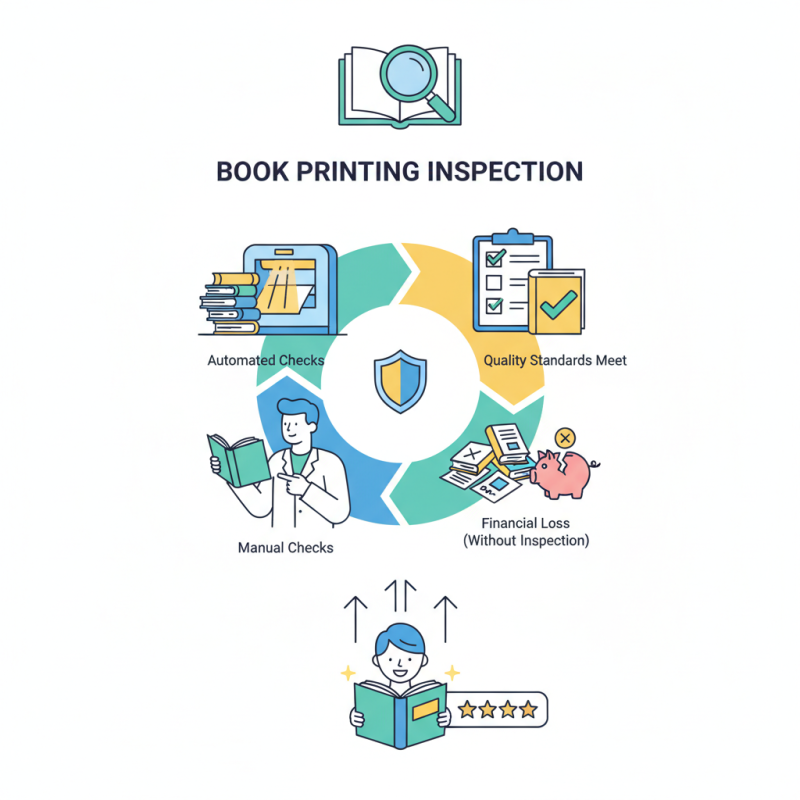
The inspection process often includes both manual and automated checks. Inspectors evaluate color accuracy and paper quality. They look for imperfections that an average reader might overlook. Yet, even with systems in place, human error can occur. Continuous improvement in inspection processes is essential. Readers deserve only the best, and publishers must strive to deliver flawless products.
Understanding Book Printing Inspection: A Comprehensive Overview
Book printing inspection is a critical phase in the publishing process. It involves closely examining the printed materials to ensure that they meet specific quality standards. Inspectors check for issues like color accuracy, alignment problems, and paper quality. Each detail matters greatly, as even minor errors can lead to significant reader dissatisfaction.
In practice, not every book passes inspection effortlessly. Sometimes, color inconsistencies appear between pages. These can distract readers and undermine their overall experience. Additionally, binding problems may arise. A poorly bound book can fall apart, losing its integrity. These challenges force publishers to reflect on their production processes.
The human eye alone cannot catch every flaw. Therefore, a combination of technology and skill is essential. Regular training for inspectors can improve performance. While some imperfections are inevitable, striving for excellence remains crucial in book printing. Dedication to quality can elevate a book from good to great. Continuous improvement should be a goal, even when obstacles arise.
The Importance of Quality Control in Book Production Processes
Quality control plays a crucial role in book production processes. It ensures that each printed copy meets the required standards. Any deviation can lead to unsatisfactory results. This might include blurry images, misregistered colors, or text errors. When such issues arise, they can disappoint readers and damage a publisher's reputation.
Effective inspection methods help identify flaws early on. For instance, examining proof copies can reveal potential issues before full production. It's not just about aesthetics; it's about maintaining the integrity of the content. When mistakes slip through, it often reflects a lack of attention. Each book is a crafted piece, demanding vigilance in every stage of production.
Even the most meticulous processes can fall short. Some small errors may go unnoticed in the rush to print. It's vital to foster a culture of quality over speed. This shift encourages workers to take pride in their contributions. When everyone is invested, the final product shines. Quality control is not just a checklist; it's an ongoing commitment to excellence.
What is Book Printing Inspection and Why Does It Matter?
| Inspection Type | Description | Importance | Frequency |
| Pre-Press Inspection | Review of proofs and materials before printing begins. | Ensures that all elements meet quality standards and specifications. | Before each print run |
| In-Process Inspection | Monitoring the printing process to identify any issues. | Helps to catch and resolve problems early, reducing waste. | Throughout production |
| Final Inspection | Comprehensive check of final printed products. | Ensures the product meets the required standards for delivery. | After printing and before shipping |
| Quality Assurance Audit | Periodic review of quality control processes and outcomes. | Identifies areas for improvement in the production workflow. | Quarterly |
Key Factors Involved in the Book Printing Inspection Process
Book printing inspection is a critical phase in the production process. It ensures each copy meets quality standards. Key factors in this process include pre-print checks, quality control during printing, and post-print evaluations. Inspectors examine color accuracy, alignment, and paper quality. They look for any defects such as smudges or misprints.
During pre-print checks, mock-ups are essential. These help identify potential issues before mass production starts. Inspectors verify color adjustments and resolution. They also ensure the printed text matches the original design. This stage sets the foundation for a successful print run.
Quality control must happen at regular intervals during printing. Inspectors monitor ink saturation and registration. They should be vigilant, as any oversight can lead to significant losses. After printing, further evaluations are necessary. This often involves random sample checks on completed books. It's a complex dance, requiring attention to detail and a willingness to adapt. Mistakes do happen, and they can impact the final product. Recognizing and correcting these issues is crucial for overall quality.
Common Challenges Faced During Book Printing Inspections
Book printing inspections are crucial, yet many challenges surface during the process. One common issue is color consistency. Variations between printed pages can occur due to equipment calibration problems. This inconsistency alters the visual appeal of the book. Another problem arises from paper quality. Poor stock leads to issues such as yellowing or warping, which can compromise readability.
Another challenge involves binding errors. Misaligned or improperly trimmed pages may frustrate both publishers and readers. Furthermore, text misprints can slip through the cracks if inspections are not thorough. A missed typographical error can damage the credibility of the entire publication. These imperfections highlight the necessity for a meticulous approach to inspections.
Inadequate lighting during inspection can also obscure defects. Inspectors might overlook crucial flaws without proper visibility. It's essential to foster a culture of detail-oriented reviews. Embracing feedback and reflection on inspection processes can improve outcomes significantly. Ensuring quality in book printing is a commitment that demands ongoing effort and awareness of potential pitfalls.
Book Printing Inspection: Common Challenges
Best Practices for Effective Book Printing Quality Assurance
Effective book printing quality assurance hinges on a thorough inspection process. Inspecting the printed materials at various stages helps identify flaws early. This includes checking for color accuracy, alignment, and paper quality. Using proper tools like spectrophotometers can improve color matching. Even small discrepancies can lead to significant issues later.
Engaging skilled professionals in the inspection process is crucial. They should be trained to spot defects that machines might miss. A keen eye can catch issues in binding or cover finishing. Regular training sessions can help keep the team sharp. However, reliance on technology without human oversight can lead to overlooked problems.
Documentation of inspections is vital for accountability. Creating clear records ensures that issues can be traced back to their origin. This practice might feel tedious, yet it is invaluable. Regular reviews of past mistakes can facilitate continuous improvement. Seeking feedback from all team members fosters a culture of quality. Balancing speed with thoroughness remains a persistent challenge. Every print project can teach something new, pushing for constant refinement.
