How to Choose the Best Sheep Drenching Gun for Your Needs?
Choosing the right Sheep Drenching Gun can significantly impact flock health and productivity. According to Dr. Emily Carter, a leading expert in veterinary medicine, “A well-chosen drenching gun ensures precise medication delivery.” This precision is crucial for effective treatment and prevention of diseases in sheep.
Farmers often overlook the importance of selecting the best drenching gun. There are various options available with different features. Understanding which one suits your needs can be tricky. Factors such as ergonomics, dosage accuracy, and ease of cleaning should be considered. A poorly chosen product can lead to stress for both the farmer and the sheep.
Investing time in research pays off. When used correctly, a good Sheep Drenching Gun minimizes waste and maximizes benefits. Take the time to evaluate your specific requirements. Ask for recommendations from peers and experts. Even small details can make a big difference in ensuring the health of your flock.
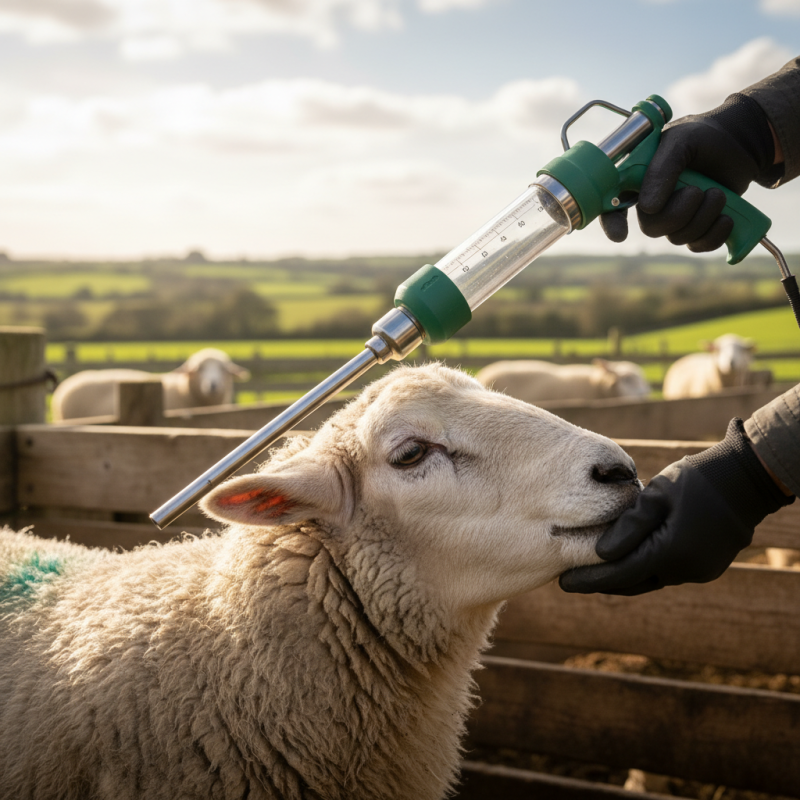
Factors to Consider When Choosing a Sheep Drenching Gun
Selecting the right sheep drenching gun can be challenging. It’s essential to understand several factors that can impact your choice. First, consider the type of sheep you have. Different breeds may require different dosages. Make sure the gun can handle the required volume effectively.
Next, examine the ease of use. A comfortable grip and lightweight design can make drenching less stressful for both you and the sheep. Look for a drenching gun with adjustable dosage settings. This feature can help you administer precise amounts of medication. Although some guns may have complex mechanisms, simpler designs often yield better results for inexperienced users.
Durability is another critical factor. A drenching gun should withstand the rigors of regular use. Check the material and build quality. Also, think about maintenance. Some guns are easier to clean and maintain than others. Reflect on your experience with current equipment. Past issues can guide you to a better choice this time around. Remember, the best tool is one that fits your specific needs and enhances your sheep management practices.
Types of Drenching Guns: Manual vs. Automatic Options
Selecting the right drenching gun can significantly affect your sheep management success. When it comes to selecting between manual and automatic options, both have their pros and cons. Manual drenching guns are typically more affordable and straightforward. They provide greater control for the user, allowing for precision in dosing. However, they can lead to operator fatigue during frequent use.
On the other hand, automatic drenching guns offer a higher consistency. They ensure precise dosing with minimal effort, reducing strain on the operator. They can be particularly beneficial during larger-scale operations. Yet, some users may find that initial costs and maintenance can be challenging. Improper handling or maintenance might lead to issues.
Consider the scale of your operations and your comfort level. Manual options might suit smaller farms and occasional drenching needs. Automatic guns may be ideal for larger herds or frequent use. Learning curves exist for both types. Assess your needs carefully to make an informed choice.
Key Features to Look for in a Drenching Gun
When selecting a drenching gun, consider its design and usability. A comfortable grip is essential for prolonged use. A lightweight model will reduce fatigue during multiple applications. Adjustable nozzles can cater to different sheep sizes. This flexibility enhances efficiency and reduces waste of the drench.
Another crucial feature is precision. Look for a gun that delivers a consistent dose. Inaccurate dosing can lead to ineffective treatment. Clear measurements on the barrel help ensure accuracy. Additionally, check the ease of cleaning. A design that allows easy disassembly will save time and prevent contamination.
Reflect on the material quality as well. Durable, resistant materials can withstand harsh farm conditions. Yet, they should not feel heavy or cumbersome. It's often challenging to find the perfect balance. Over time, you'll learn which features you truly need. Experience will help refine your choice.
Understanding Dosage Accuracy and Comfort in Drenching
When selecting a sheep drenching gun, dosage accuracy and comfort are crucial factors. According to industry studies, improper dosing can lead to a 10% reduction in effectiveness. This can affect the overall health of the flock. A precise deliverance mechanism ensures that each sheep receives the correct amount of medication. Textures and shapes of the drenching gun's nozzle impact the ease of use significantly. Poor designs can result in wasted product and stress for both the handler and the sheep.
User comfort is often overlooked. A comfortable grip allows for prolonged use without fatigue, reducing the chances of errors. Data suggests that a drenching gun with an ergonomic design can improve handling efficiency by up to 20%. Heavier models may cause strain, especially during busy lambing seasons. This raises questions about the need for lighter alternatives. Additionally, the presence of adjustable dosage settings provides flexibility. This is important when dealing with sheep of varying sizes or ages, allowing for more individualized care.
Understanding these aspects can lead to improved outcomes in flock management. Achieving the right balance between accuracy and comfort can enhance both productivity and animal welfare. As such, a focus on design innovation and ergonomic features is vital in the evolving landscape of livestock care.
Maintenance and Care Tips for Long-Lasting Drenching Guns
Caring for your drenching gun is essential for its longevity. Regular cleaning is vital. After each use, rinse the gun with warm water to remove residues. Use a soft brush to scrub hard-to-reach areas. It helps maintain performance and prevent blockages.
Inspecting the seals and parts is another crucial aspect. Over time, seals can wear out, leading to leaks. Check for cracks or deformities. Replacing worn components promptly can save on costly repairs in the long run.
Storing your drenching gun properly also impacts its lifespan. Keep it in a dry, cool place, avoiding exposure to harsh elements. Ensure it is disassembled if necessary, as moisture can lead to corrosion. Reflecting on these maintenance tips can prevent future headaches and ensure reliable operation when you need it most.
