Why Choose Eco Friendly Wrapping Paper for Your Gifts?
In a world increasingly focused on sustainability, the choice of Wrapping Paper reflects our values. Eco-friendly wrapping paper has gained attention. Industry expert Sarah Thompson, founder of GreenGiftWrap, states, "Choosing eco-friendly wrapping paper reduces waste and supports our planet's health." Her insight highlights the importance of our choices.
Traditional wrapping paper often ends up in landfills, contributing to pollution. Eco-friendly alternatives, made from recycled and biodegradable materials, offer a smart solution. These options not only look attractive but are also environmentally responsible.
Many consumers hesitate, fearing eco-friendly choices might lack quality. However, innovative designs and textures are emerging in this market. It’s essential to embrace these sustainable options, even if it feels different. Taking responsibility can help shift industry standards towards a greener future. The wrapping paper we choose can make a lasting impact, not only on our gifts but also on our environment.
Benefits of Using Eco-Friendly Wrapping Paper for Gift Giving
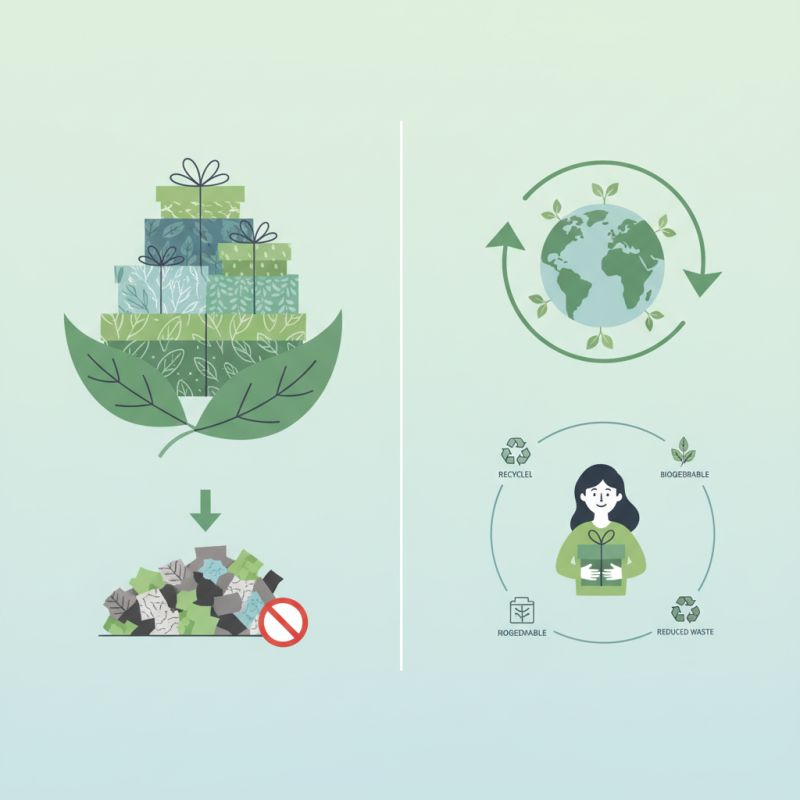
Eco-friendly wrapping paper offers numerous benefits for gift giving. Firstly, it reduces waste. Traditional wrapping paper often ends up in landfills, contributing to environmental pollution. Eco-friendly options are typically recyclable or biodegradable. This simple switch can significantly decrease your ecological footprint.
Moreover, eco-friendly wrapping paper often features beautiful, unique designs. Many of these papers are made from recycled materials or natural fibers. They can include patterns inspired by nature, enhancing the aesthetics of your gift. This not only shows care for the recipient but also for the planet.
Choosing sustainable wrapping paper can also promote awareness. It opens conversations about the importance of environmental responsibility. Sharing this practice with friends and family can inspire them to consider sustainable options as well. While it might feel convenient to use standard wrapping materials, reflecting on their environmental impact can lead to a more thoughtful gift-giving experience.
Types of Eco-Friendly Wrapping Materials Available on the Market
When considering eco-friendly wrapping materials, options abound. Recycled paper is a popular choice. It is made from post-consumer waste, reducing landfill and resource strain. This type of paper often features charming designs. It's perfect for adding a personal touch to gifts.
Another option is fabric wraps, or furoshiki, which originate from Japan. These reusable fabric wraps come in various colors and patterns. They add a unique flair to your gifts. They can be reused for future gifts or even as tote bags. This reduces waste significantly but requires maintenance and careful handling.
Bamboo paper is also emerging as a great alternative. It is sustainable and biodegradable. Bamboo grows quickly, making it an eco-friendly resource. However, not all bamboo papers have the same quality. Some may not hold up well, and finding reliable sources can be challenging. Each of these materials has its benefits and drawbacks, urging us to reflect on our choices and their environmental impact.
Comparing Traditional Wrapping Paper and Eco-Friendly Alternatives
When it comes to wrapping gifts, the choices can be overwhelming. Traditional wrapping paper often looks beautiful but has hidden downsides. Most is made from trees and is not recyclable. These papers frequently contain dyes and plastics, adding to landfill waste. After the gift is unwrapped, this paper often ends up discarded, contributing to environmental problems.
Eco-friendly alternatives offer a sustainable option. They are made from recycled materials and often use natural dyes. Some are even compostable. Choosing these wraps often means selecting papers that are more durable. They can be reused and repurposed creatively. Look for options like kraft paper, fabric, or recycled newsprint. These materials not only reduce waste but also add a personal touch.
However, eco-friendly wrapping might not always meet aesthetic preferences. Some consumers might find them less visually appealing. There’s also a learning curve in how to use these materials effectively. Despite these challenges, many people find that the environmental benefits far outweigh the drawbacks. Your choices in wrapping paper can reflect your values and commitment to the planet. Making the switch is a small step towards a more sustainable future.
Tips for Choosing and Sourcing Eco-Friendly Wrapping Options
Choosing eco-friendly wrapping paper can enhance your gifts while minimizing environmental impact. Start by exploring recycled paper options. This material often has a unique texture and look that adds character to your presents. Look for papers that contain at least 50% recycled content. You can find these at local craft stores or online shops dedicated to sustainable products.
Another option is to seek out biodegradable wrapping solutions. Consider using materials like bamboo or hemp paper. These options break down easily and do not harm wildlife. When shopping, make sure to check for certifications that indicate the product's sustainability. Avoid glossy or plastic-coated papers, as they can be harmful to the environment.
Personal touches can elevate your wrapping, too. Think about using fabric scraps or old maps for a creative touch. They can be reused and are free of harmful chemicals. However, it’s essential to reflect on the sources of your materials. Ensure they align with your eco-conscious values. Embrace imperfections in your gift wrap. A handmade feel often resonates more and reflects your thoughtfulness.
Creative Ways to Reuse and Repurpose Eco-Friendly Wrapping Paper
Eco-friendly wrapping paper is gaining popularity, and for good reason. When it comes to creativity, this type of paper can be reused in unique ways. For instance, you can transform used wrapping paper into gift tags or bookmarks. These repurposed items add a personal touch and reduce waste.
Data from the Environmental Protection Agency shows that nearly 30% of waste in landfills comes from paper. By reusing wrapping paper, you contribute to a reduction in waste. Another creative option is to use large sheets of wrapping paper as art canvases for kids. Let them paint or draw on the paper, creating one-of-a-kind pieces to display or gift.
Tips: Always store leftover wrapping paper in a dry place to maintain its condition. Consider layering pieces of reused paper for a textured look when wrapping gifts. This not only enhances the presentation but also highlights your commitment to sustainability. Each piece of reused paper tells a story, inviting conversations rather than adding to landfill waste.
