How to Choose Lucky Medical Dry Film for Global Procurement?
Choosing the right "lucky medical dry film" for global procurement is a crucial decision. This film plays a significant role in various medical applications, ensuring reliability and quality. Procurement managers must consider multiple factors to make informed choices.
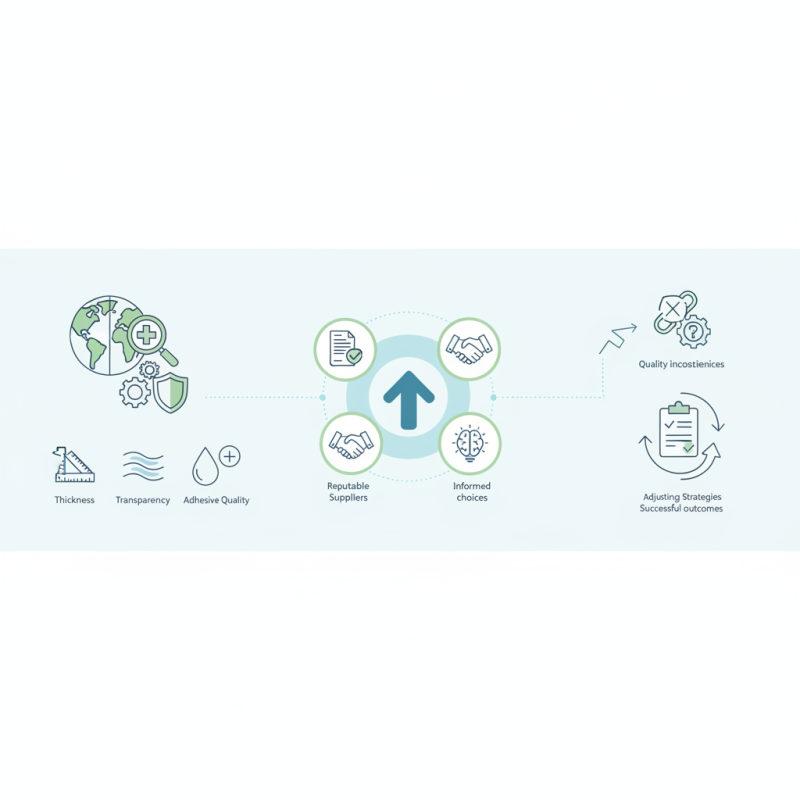
It's essential to assess the film's performance metrics. Analyze characteristics like thickness, transparency, and adhesive quality. Understanding industry standards and certifications can provide helpful insights. Partnering with reputable suppliers enhances the reliability of your procurement process.
Despite thorough research, challenges often arise. Not every supplier meets expectations. Quality inconsistencies can occur, leading to potential issues in final applications. Reflect on past procurement decisions to avoid repeating mistakes. Adjusting strategies and expectations is key to successful procurement outcomes.
Understanding the Basics of Medical Dry Film Selection for Procurement
Selecting the right medical dry film is crucial for global procurement. Understanding the basics will enhance decision-making. Start by considering the film's mechanical properties, such as tensile strength and elasticity. According to a recent industry report, films with a tensile strength of at least 7.5 MPa are optimal for medical applications. This ensures durability during use.
Another essential factor is the moisture barrier properties. Medical dry films must maintain sterility. Data indicates that films with a water vapor transmission rate (WVTR) below 1.5 g/m² per day are ideal for protecting sensitive materials. An incorrect moisture barrier could compromise quality. Evaluating supplier certifications is equally important. Reliable suppliers undergo rigorous testing and quality control measures.
Sustainability is an emerging consideration. The industry is shifting towards eco-friendly materials. This change leads to difficult choices. While sustainable options may meet basic requirements, their long-term performance remains uncertain. It is essential to weigh these factors carefully. Balancing quality, performance, and environmental impact can be challenging, yet it is crucial for successful procurement in the medical sector.
Medical Dry Film Selection Criteria
Key Factors to Consider When Choosing Medical Dry Film Suppliers
When selecting medical dry film suppliers, several key factors must be considered. Quality assurance stands at the forefront. According to recent industry reports, over 70% of product failures are linked to inadequate quality control systems. Ensure potential suppliers follow ISO 13485 standards, a vital certification for medical device manufacturers. This guarantees that products meet stringent quality and regulatory requirements.
Supplier reliability is another critical factor. Delays in delivery can disrupt production lines and impact patient care. A study from the Global Procurement Institute shows that 65% of procurement managers cite supplier reliability as a top concern. Check references and assess the supplier's track record to gauge their trustworthiness.
Pricing should not overshadow these aspects. While competitive pricing is important, it should not compromise quality. A thorough cost-benefit analysis is essential. Evaluate the overall value offered. Consider factors like customer service and the supplier's R&D capabilities. These elements play a crucial role in your long-term success. It's common to find suppliers who promise low prices but offer subpar products. Take the time to reflect on your specific needs to find the right fit.
Evaluating Quality Standards and Certifications for Medical Dry Film
When selecting medical dry film for global procurement, understanding quality standards is crucial. Medical dry films are essential for various applications, including imaging and diagnostics. Quality certifications indicate a product's reliability and adherence to industry norms. Check for certifications like ISO 13485. This specific standard assures that manufacturers meet quality management requirements.
Evaluating the manufacturing processes is another essential step. Look for suppliers who maintain rigorous quality control. Examine their testing procedures and protocols for safety. Transparency in reporting test results fosters trust. Manufacturers should provide documentation of compliance with regulatory requirements. Documentation is not just a formality; it showcases accountability and responsibility.
Yet, even with standards in place, imperfections may exist. It’s important to remain vigilant and question suppliers about deviations. Engaging in dialogue can uncover potential issues. Ask how they address non-conformance and what corrective actions they implement. A proactive approach to quality assurance enables better decision-making. The journey to find the right medical dry film may require patience and thorough investigation.
Cost Analysis: Balancing Price and Quality in Global Procurement
In global procurement, balancing cost and quality is a complex task. Organizations often face the challenge of minimizing expenses while ensuring that medical dry films meet strict regulatory standards. Reports indicate that around 30% of procurement expenses can be attributed to material selection, highlighting the importance of making informed choices.
Cost-effectiveness must not sacrifice quality. Data shows that subpar medical films can lead to increased rejection rates and, ultimately, higher overall costs. The healthcare sector reported a 15% increase in operational costs due to the use of unreliable materials. Choosing low-cost options may save money upfront but can lead to long-term inefficiencies.
Market analysis reveals that quality dry films can improve diagnostic accuracy, leading to better patient outcomes. A study suggested that high-quality materials reduced error rates by 20%. Organizations must consider not just the purchase price but also the potential costs of compromised quality. Reflection on past procurement choices may reveal that investing in quality upfront can yield significant savings later.
Navigating Regulatory Requirements for Medical Dry Film in Different Markets
Navigating the regulatory landscape for medical dry film can be challenging. Different markets have unique compliance requirements. Understanding these nuances is crucial for success in global procurement. Each region may demand specific certifications or documentation. For instance, European regulations often emphasize safety and efficacy standards. Meanwhile, the U.S. FDA requires rigorous testing and validation processes.
It's essential to conduct thorough research before entering a new market. Engaging local experts can help clarify complex regulations. This minimizes the risk of non-compliance, which could lead to costly delays. Additionally, inconsistent quality standards may emerge across regions. Ensuring consistency in product quality can be a daunting task. This requires careful selection of suppliers who meet international standards.
Documentation plays a pivotal role in regulatory compliance. Thorough and accurate paperwork is not just a formality; it can make or break your procurement process. Mistakes can lead to increased scrutiny or import delays. Therefore, staying updated on regulatory changes is vital for maintaining a competitive edge. Collaboration with regulatory consultants can provide insights into evolving standards and help navigate these challenges effectively.