How to Choose the Best Durable Silicone Tube for Your Needs?
Choosing the right Durable Silicone Tube can significantly impact your project's success. The silicone tube industry is projected to grow by 5.2% annually from 2022 to 2027, underscoring its vital role in various sectors. Experts like Dr. Emily Carter, a leading authority in materials science, state, "Selecting the best Durable Silicone Tube is critical to ensure longevity and performance."
As industries evolve, the demand for versatile and sturdy materials increases. Durable Silicone Tubes find applications in medical devices, automotive components, and food processing. Quality matters; not all silicone tubes are created equal. Sometimes, consumers overlook nuances in durability and temperature tolerance. This oversight can compromise safety and efficiency.
Understanding your specific needs is essential. It requires careful consideration of factors like flexibility, chemical resistance, and manufacturing methods. Not recognizing these details can lead to expensive mistakes and project delays. Therefore, making an informed choice is not just beneficial—it’s necessary.
Understanding the Basics of Silicone Tubes and Their Uses
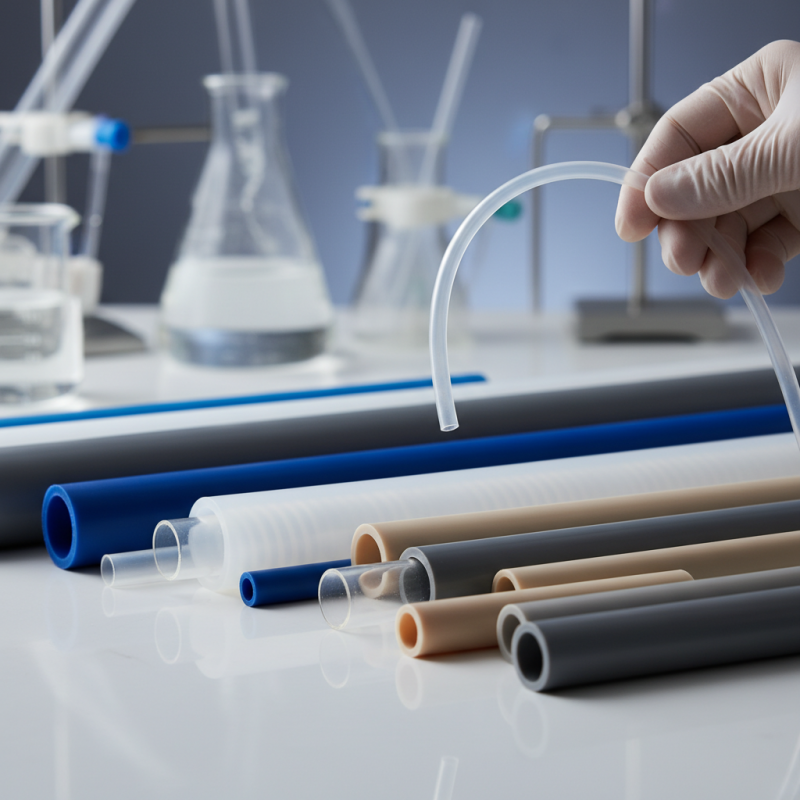
Silicone tubes are versatile and useful in various applications. They are made from silicone rubber, which offers flexibility and durability. This material withstands extreme temperatures, making it ideal for both hot and cold environments. Many industries, including medical, automotive, and food service, rely on silicone tubes for their unique properties.
When selecting a silicone tube, understanding its features is crucial. Consider factors like the tube's diameter, wall thickness, and resistance to chemicals. Different projects may demand specific characteristics. For example, medical applications need high purity to avoid contamination. Meanwhile, automotive uses may prioritize heat resistance.
Silicone tubes can be difficult to choose. Not every type fits every need. Manufacturers often list technical specifications, but these can be confusing. It's important to research and ask experts if needed. This proactive approach improves your chances of selecting the right tube for your project. Knowing the exact requirements ahead of time reduces errors but requires effort. The right choice can enhance your work significantly.
Factors to Consider When Choosing Durable Silicone Tubes
When selecting durable silicone tubes, several factors significantly impact their performance and longevity. One crucial factor is temperature resistance. Silicone tubes can generally withstand temperatures from -60°C to 200°C. According to industry reports, proper temperature ranges can enhance lifespan by 50%. Thus, evaluating the application environment is vital.
Chemical resistance is another key aspect. Silicone can resist various chemicals, including oils and solvents, but not all silicone tubes are the same. Some blends offer better chemical resistance, so it's essential to review data sheets. Notably, studies indicate that up to 30% of tube failures result from improper chemical compatibility.
Additionally, consider the tubing's flexibility and wall thickness. Thicker walls can improve durability, but they may limit flexibility. Striking a balance is crucial for specific applications. For instance, thicker walls might be needed for high-pressure settings. A detailed analysis of these factors can lead to better choices that meet specific needs effectively.
Comparing Different Types of Silicone Tubes Available on the Market
When selecting the best silicone tube, it’s crucial to understand the types available on the market today. Silicone tubes can vary significantly in terms of flexibility, temperature resistance, and application suitability. According to a market analysis by Research and Markets, the global silicone elastomers market is projected to grow at a compound annual growth rate (CAGR) of 5.4% from 2021 to 2026. This growth reflects the diverse applications and increasing demand for robust silicone products.
Transparent silicone tubes are popular for medical and laboratory uses due to their visibility and cleanliness. They often withstand temperatures between -60°C to 200°C, making them versatile for different environments. On the other hand, reinforced silicone tubing, infused with strength-enhancing materials, is ideal for high-pressure applications. Reports suggest that reinforced silicone tubes can endure pressure levels up to 400 psi, catering to industrial sectors with rigorous demands.
Lastly, it’s essential to note that not all silicone tubes perform equally under stress. Users report varying levels of durability based on the production methods and materials used. Some users face challenges with tube brittleness over time. Others find issues with dimensional stability. Understanding these nuances can help you make more informed choices. Balancing performance with your specific needs is critical for effective use.
Evaluating the Strength and Temperature Resistance of Silicone Tubes
When evaluating silicone tubes, understanding their strength and temperature resistance is essential. Silicone tubes are known for their flexibility and durability. They can typically withstand temperatures ranging from -60°C to 230°C. This wide range makes them suitable for various applications, from automotive to medical uses. However, not all silicone tubes are created equal. Some may lose their integrity at extreme temperatures, leading to potential leaks or failures.
Tips: Always check the silicone formulation. High-quality silicone ensures better strength and longevity. Look for tubes with certifications to validate their performance metrics.
Temperature resistance can vary significantly based on the specific type of silicone used. For instance, high-performance silicone may resist thermal degradation better than standard grades. A report from the International Rubber Study Group highlights that certain grades can maintain their properties even after prolonged exposure to high heat.
Tips: Conduct a thermal aging test if possible. This can help identify weaknesses in temperature extremes. Remember, testing in real-life scenarios often reveals more than lab results.
Best Practices for Maintaining and Storing Silicone Tubes
Proper maintenance and storage of silicone tubes are key to their longevity and performance. Keep them clean and free from debris. Rinse them with warm water and mild soap after each use. This helps to prevent buildup that can affect functionality. Inspect the tubes regularly for any signs of wear or damage. Pay attention to cracks or discoloration. Such issues can compromise their effectiveness.
For storage, coiling the tubes without sharp bends is essential. Sharp bends can lead to kinks, which may impede flow. Store the tubes in a cool, dry place away from direct sunlight. UV exposure can degrade silicone over time. Consider using a designated container for organization. This can prevent tangling and extend the tubes' life. Regular checks on stored tubes ensure they remain in good condition. It is crucial to reflect on your habits and make necessary adjustments for better care.
How to Choose the Best Durable Silicone Tube for Your Needs? - Best Practices for Maintaining and Storing Silicone Tubes
| Feature | Description | Best Use Case | Maintenance Tips |
| Temperature Resistance | Silicone tubes can withstand high and low temperatures. | Ideal for applications involving extreme heat or cold. | Avoid exposing to direct flames. |
| Chemical Resistance | Resistant to many chemicals, including oils and solvents. | Great for automotive or industrial applications. | Clean with mild detergents; avoid harsh chemicals. |
| Flexibility | Highly flexible, allowing for easy installation in tight spaces. | Perfect for applications where routing is complex. | Store in a coiled position to maintain flexibility. |
| Durability | Long-lasting, resistant to aging and breaking down. | Suitable for long-term industrial use. | Inspect regularly and replace if signs of wear appear. |
| Food Grade Quality | Safe for food handling and storage. | Used in kitchens or food processing facilities. | Wash with water and mild soap before use. |
