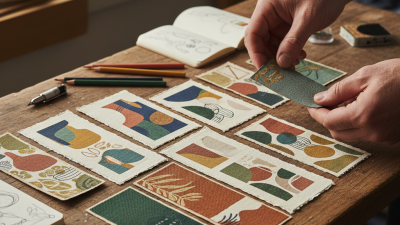
Top Tips for Choosing Preprinted Labels for Your Business?
Choosing preprinted labels for your business may seem simple, but it involves careful consideration. Jonathan Miller, a label industry expert, emphasizes, "The right label can elevate your product’s appeal." His insight highlights the importance of preprinted labels in creating a strong brand image and engaging customers.
When selecting preprinted labels, evaluate materials and designs. High-quality materials ensure durability and visual appeal. Labels with vibrant colors stand out on shelves, drawing customer attention. However, be cautious; a label that looks good may not always perform well under specific conditions. Research shows that durability and stickiness are just as important.
Think about your unique needs. Different products require different types of preprinted labels. The size, shape, and adhesive strength must align with your packaging. Reflect on your branding goals and ensure that your labels align with your overall strategy. Remember, effective labels resonate with your audience and communicate your message clearly.
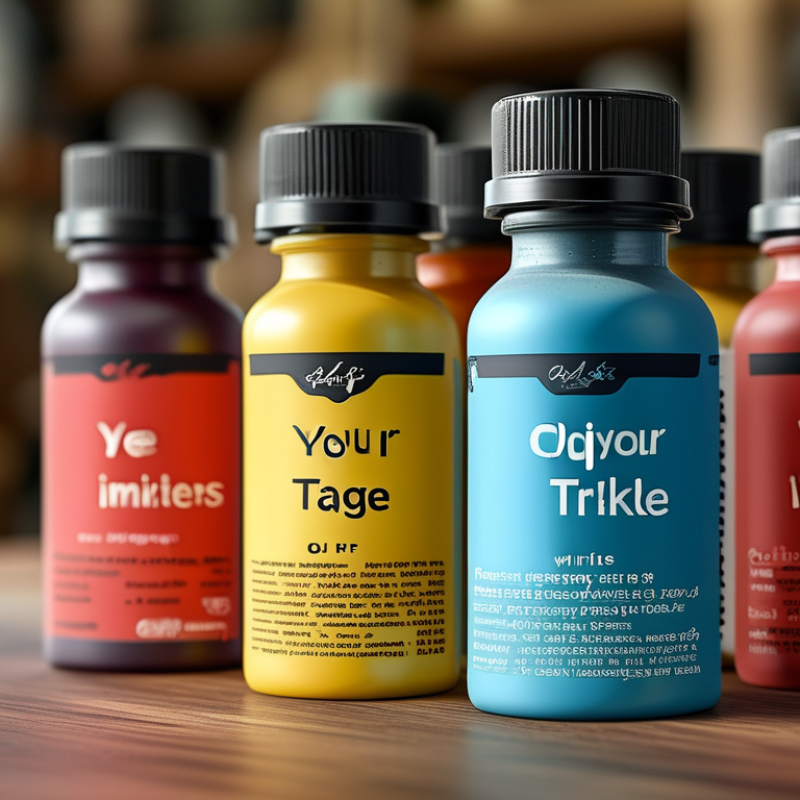
Understanding Your Label Needs: Types and Applications
Choosing the right preprinted labels requires a clear understanding of your needs.
Labels come in various types—adhesive, non-adhesive, and thermal transfer. Each type serves specific applications.
For instance, adhesive labels are often used in shipping and packaging. In industries like food and beverage,
they ensure compliance with regulations and enhance branding.
According to a study by Smithers Pira, the global market for labels is projected to reach $60 billion by 2024.
This growth highlights the importance of choosing labels wisely. Businesses must consider factors like durability
and visibility. High-quality labels can prevent products from being damaged or misidentified, which can lead to significant losses.
However, businesses sometimes overlook the importance of testing labels under various conditions.
For instance, labels exposed to moisture may need special materials to maintain adhesion.
Reflecting on these aspects can save time and money in the long run. Ensure your label choices align with
the unique needs of your products and industry standards. This attention to detail could be the difference between
success and costly errors.
Evaluating Quality: Materials and Durability Considerations
When selecting preprinted labels for your business, evaluating the quality of materials is essential. Different label materials, such as vinyl, paper, and polyester, offer varying durability. Vinyl labels are often waterproof and resistant to fading, making them suitable for outdoor use. Paper labels, on the other hand, may be more affordable but can deteriorate under harsh conditions. It’s crucial to match the material to your specific needs.
Durability goes beyond just material type. Consider the adhesive used on the labels, as this can significantly impact performance. A strong adhesive ensures that the labels stay intact, even in challenging environments. Check for specifications related to temperature resistance and exposure to chemicals. If labels will face moisture or oils, opting for a waterproof option is wise.
Testing the labels before a full-scale print run is a smart approach. This trial phase can reveal any weaknesses in durability or adhesion. It also allows for adjustments in design or material selection. Reflecting on these factors can save time and costs in the long run. Quality labels reflect your brand's professionalism, and investing in the right materials pays off.
Quality Evaluation of Preprinted Labels: Material and Durability
Designing for Impact: Color, Font, and Layout Choices
Color plays a crucial role in label design. Choose colors that reflect your brand's identity and evoke the desired emotions. Bright colors grab attention, while softer tones convey calmness. Consider how your color choices relate to your target audience. A vibrant yellow might appeal to a younger demographic, while muted shades may resonate with an older crowd. Also, keep in mind color contrast for readability. High contrast between text and background is essential for easy comprehension.
Font selection is equally important. Use typography that aligns with your brand's vibe. A modern, clean font may work well for tech businesses, while a script font could suit artisanal products. Remember to limit the number of different fonts to maintain a cohesive look. Emphasizing key information through bold or larger fonts can help draw focus. However, too many styles can clutter your design, so clarity should always come first.
Layout choices also contribute significantly. A well-structured label enhances the user experience. Order the information logically; essential details should be easy to find. While it may be tempting to fill every space, leaving some white space can improve legibility and overall appeal. Reflect on past designs; were they overcrowded? Simplifying your layout can lead to more impactful labelling. Think critically about what each element contributes to the overall design and its effectiveness in communicating your brand message.
Top Tips for Choosing Preprinted Labels for Your Business - Designing for Impact: Color, Font, and Layout Choices
| Label Type |
Recommended Colors |
Suggested Fonts |
Layout Tips |
| Product Labels |
Bright and Bold Colors |
Arial, Helvetica |
Keep it Simple, Use Clear Images |
| Shipping Labels |
High Contrast |
Arial Bold, Roboto |
Include Barcodes, Ensure Legibility |
| Return Address Labels |
Professional and Subtle |
Times New Roman, Georgia |
Centered Text, Keep Important Info Clear |
| Promotional Labels |
Vibrant Colors |
Script or Decorative Fonts |
Use Catchy Slogans, Creative Designs |
| Safety Labels |
Red and Yellow |
Impact, Bold Font |
Clear Symbols, Precise Instructions |
Analyzing Cost: Budgeting for Preprinted Labels
When budgeting for preprinted labels, consider several factors that impact overall costs. A study by the Label Industry Global Overview estimates that the global label market hit $48 billion in 2022. This rapid growth signals the necessity of strategic spending, especially for small to mid-sized businesses. It's crucial to choose materials that don’t compromise quality for cost. For instance, opting for generic instead of custom materials can save money but may affect usability.
It's beneficial to analyze the long-term value of your selected labels. Quality labels can enhance brand perception and reduce wastage. In contrast, insufficient durability may lead to higher overall costs when reprinting is necessary due to wear and tear. Additionally, data from the Packaging Machinery Manufacturers Institute suggests that investing an average of 5-10% of your packaging budget into label quality can yield significant returns on investment.
Balancing upfront expenses with durability is key. Cheap labels might save cash initially, but hidden costs arise when they fail to meet operational needs. Evaluating suppliers and production methods often reveals potential savings. Always refine your label choices based on real-world performance and reinvest savings into quality improvements when possible.
Supplier Selection: Finding Reliable Vendors and Options
Choosing the right suppliers for preprinted labels can be crucial for your business. A reliable vendor is a key asset. In a recent report by Smithers Pira, 72% of businesses prioritize quality and reliability when selecting suppliers. This statistic underscores the importance of establishing a robust list of potential vendors.
Investigate vendor backgrounds thoroughly. Look for firms with certifications or industry recognitions. A company with ISO certification demonstrates a commitment to quality standards. Check online reviews and testimonials. These insights can reveal the supplier's reputation and reliability in delivering on time.
Transparent communication is crucial. Discuss your specific labeling needs and volume requirements early in the conversation. A good vendor should show flexibility and understanding. Unexpected challenges may arise. Having a reliable supplier can ease these concerns. Remember, not every vendor will meet your expectations seamlessly. Learning from these experiences is essential for future selections.