How to Choose the Right Pouch Packing Line for Your Business?
Choosing the right Pouch Packing Line for your business is crucial. It impacts efficiency and product quality. In today’s market, a well-designed packing line can streamline operations and boost productivity. However, selecting the ideal system requires careful consideration.
You must evaluate your product specifications. The size, weight, and type of the product all influence the packing process. Some Pouch Packing Lines are versatile, while others cater to specific needs. It’s essential to balance flexibility and specialization. Moreover, assess the scale of your operations. Are you a startup or a well-established brand? Each requires a different approach.
Don’t overlook integration capabilities. Your chosen Pouch Packing Line should easily connect with existing machinery. This integration enhances automation and reduces downtime. Be mindful of potential challenges. As the market evolves, so might your needs. Staying flexible can save you from costly adjustments later. Ultimately, the right decision today will shape your business's future success.
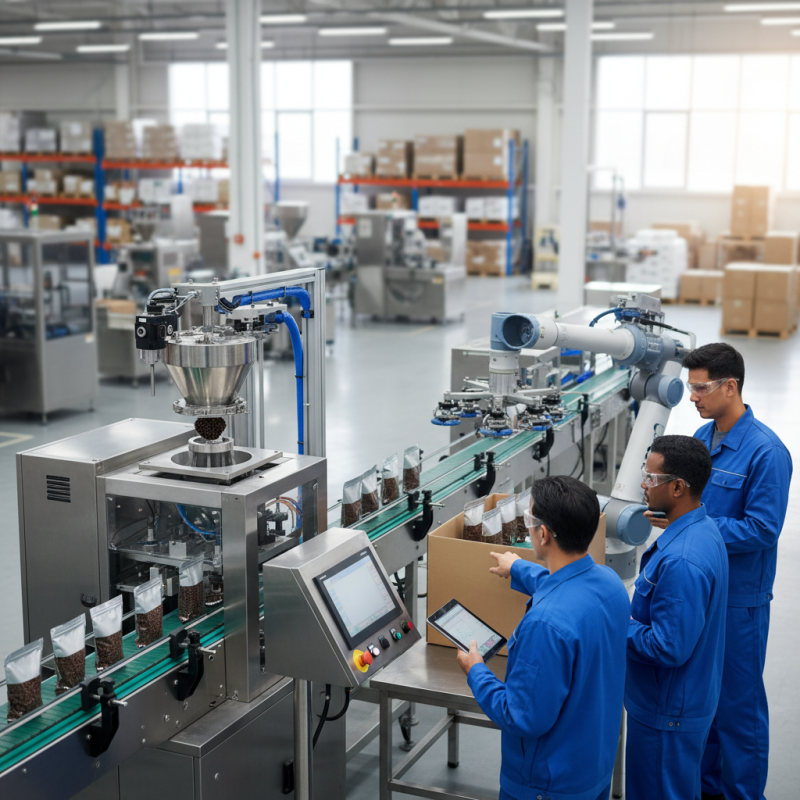
Understanding Your Product Requirements for Pouch Packing
Choosing the right pouch packing line starts with an in-depth understanding of your product requirements. The type of product you’re packaging largely dictates the specifics of the pouch line needed. For example, liquid products might require specialized equipment to manage viscosity levels. According to a recent industry report, 55% of manufacturers reported issues with product compatibility during pouch filling. This highlights the necessity of aligning packing machinery with product characteristics.
Different substrates can also significantly affect your production line choice. If you deal with dry products, a simpler filling system might suffice. Conversely, delicate powders or products sensitive to moisture may require advanced technology. The 2022 Flexible Packaging Association noted that 27% of companies changed their equipment due to substrate incompatibilities. Understanding these nuances is crucial to avoid costly downtime and inefficiencies.
Furthermore, consider the scalability of your pouch packing line. Your business might be small now, but demands can change rapidly. A line that cannot adapt may hinder growth. Research indicates that flexible packing solutions can increase production efficiency by up to 30%, but only if they are suited for your specific product. Engaging with industry experts can shed light on best practices and technology tailored for your needs.
Evaluating Different Types of Pouch Packing Machines
Choosing the right pouch packing machine is crucial for your business. There are several types of pouch packing machines available. Each type has distinct features that cater to different packaging needs. Understanding these can enhance your efficiency and reduce costs.
Horizontal form-fill-seal machines are popular for their ability to handle a variety of pouch sizes and shapes. They can produce pouches quickly, with some systems achieving speeds of up to 150 pouches per minute. According to market research by Grand View Research, the global pouch packaging market is expected to reach $45 billion by 2025, driven by the demand for efficient and sustainable packaging solutions.
Vertical form-fill-seal machines offer an alternative for businesses that require precise filling of smaller pouches. These machines work best for products like granules and powders. While they may have a slower output than horizontal machines, they provide excellent sealing and product protection characteristics. It's essential to evaluate your product type and volume when selecting the right machine. Some businesses find themselves facing production bottlenecks due to poor machine selection. Reflection on specific needs can lead to more informed choices.
Key Features to Consider in a Pouch Packing Line
When choosing a pouch packing line, key features greatly influence efficiency and product quality. The speed of the machine is crucial. Industry data shows that modern pouch machines can reach speeds of 120 pouches per minute. This speed is essential for high-volume production. However, faster does not always mean better. Consider how speed affects the overall quality of your packaging.
Flexibility in material handling is another important factor. Pouch packing lines should accommodate various materials, such as plastic or biodegradable options. According to a recent report, nearly 40% of packaging companies aim to switch to sustainable materials by 2025. This trend indicates a growing need for machines that adapt to different pouch styles, such as stand-up or flat pouches. Ensuring the line is versatile can save costs in the long run.
Automation capabilities are also worth considering. Automated systems can reduce labor costs and minimize errors. However, implementing advanced technology may require significant upfront investment. It's vital to assess whether the potential savings justify this investment. Evaluating both immediate needs and long-term goals will guide your decision-making process effectively.
Assessing Budget and Cost-Effectiveness of Packing Solutions
When assessing the budget for a pouch packing line, it's crucial to weigh the initial investment against long-term savings. A recent industry report indicated that companies can save up to 30% on packaging costs by optimizing their packing processes. This figure emphasizes the importance of choosing a cost-effective solution tailored to specific business needs.
Understanding the total cost of ownership (TCO) is essential. TCO includes not just equipment purchase price but also maintenance, labor, and potential downtime. A study by Smith & Associates highlighted that businesses often overlook ongoing costs, which can account for up to 70% of total expenses over the equipment's lifecycle. Reflecting on these aspects could lead to better decision-making.
Moreover, it’s vital to consider the scalability of the packing line. Companies may find a lower upfront cost attractive. However, if the line cannot adapt to increased production needs, it might lead to higher costs in the future. A flexible and efficient system may come with a higher price tag initially, but it often proves to be more budget-friendly in the long run. Balancing immediate expenses with long-term efficiency is key for sustainable growth.
How to Choose the Right Pouch Packing Line for Your Business? - Assessing Budget and Cost-Effectiveness of Packing Solutions
| Packing Solution Type | Initial Set-Up Cost | Operational Cost Per Unit | Production Speed (Units/Hour) | Maintenance Frequency | Return on Investment (ROI) |
| Vertical Form Fill Seal Machine | $50,000 | $0.05 | 150 | Monthly | 15% |
| Horizontal Flow Wrapper | $75,000 | $0.04 | 200 | Quarterly | 20% |
| Pre-Made Pouch Filling Machine | $60,000 | $0.06 | 120 | Every 6 Months | 12% |
| Automatic Bagging System | $90,000 | $0.03 | 250 | Bi-Annually | 25% |
Identifying Supplier Support and Maintenance Services
Choosing the right pouch packing line involves more than just equipment selection; supplier support and maintenance services play a critical role. According to industry reports, up to 40% of production delays stem from inadequate supplier maintenance. Reliable support can significantly reduce downtime and enhance productivity.
When evaluating suppliers, consider their maintenance services. Ask about their response times for repairs and routine maintenance schedules. A solid maintenance plan can prevent small issues from escalating. Furthermore, suppliers should offer comprehensive training for your team. This ensures your staff knows how to troubleshoot common problems.
Tips: Choose suppliers that provide 24/7 support. This can be crucial during emergencies. Look for long-term contracts that include maintenance terms. This could save costs in the long run. Finally, read reviews from other users to gauge supplier reliability. Using these criteria can lead to more informed decisions, ultimately supporting smooth operations.
