Why Choosing the Right Printers for Business Can Boost Your Productivity and Save Costs
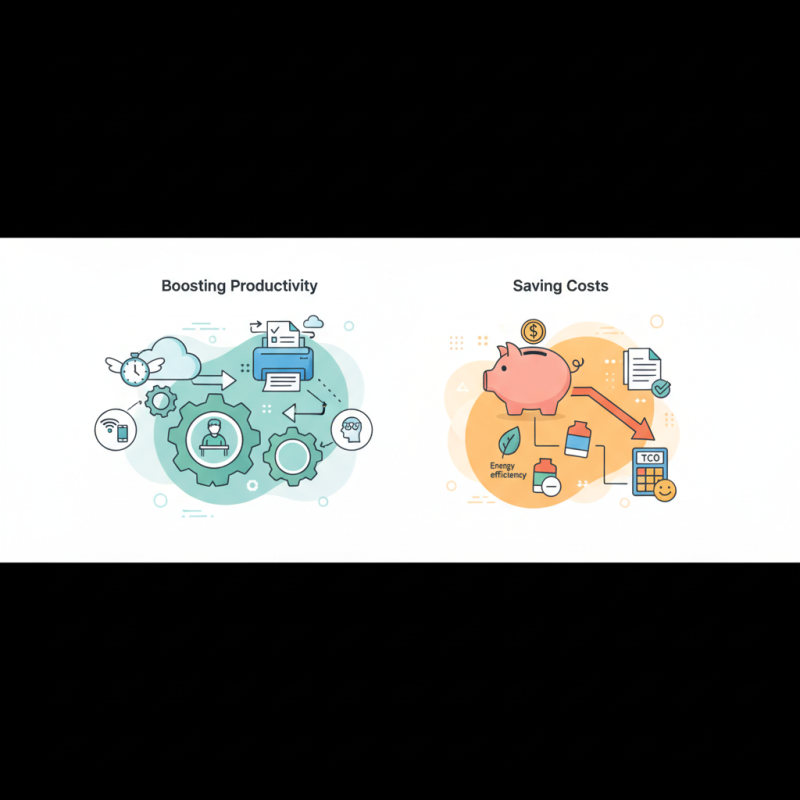
In today's fast-paced business environment, the efficiency of operations can significantly impact overall productivity and cost management. One key element that often goes overlooked is the selection of printers for business. The right printing solutions not only facilitate better document handling but also contribute to streamlined workflows, allowing employees to focus on core tasks rather than tedious printing issues. As technology continues to evolve, businesses have access to a diverse range of printers suited to various needs, from high-volume printing to multifunction capabilities.
Choosing the appropriate printers for business can lead to tangible cost savings as well. By investing in energy-efficient models and considering total cost of ownership, organizations can minimize expenses related to paper, ink, and maintenance. Furthermore, features such as wireless connectivity and mobile printing ensure that teams can easily access documents and collaborate seamlessly, regardless of their location. By prioritizing the right printing solutions, companies can cultivate a more productive work environment that supports their strategic objectives and enhances operational efficiency.
Choosing the Right Printers: Understanding Business Needs
Understanding the specific needs of your business is crucial when selecting the right printers. Different industries have varying document output requirements; for instance, a graphic design firm may prioritize high-quality color printing, while a law office might need reliable black-and-white output for legal documents. By assessing the volume of printing, types of documents produced, and the desired print quality, businesses can make informed decisions that align with their operational workflows.
Additionally, evaluating the total cost of ownership is essential. This includes not only the initial purchase price of the printer but also the ongoing costs associated with ink or toner, maintenance, and paper. A printer that seems economical upfront may introduce hidden costs in operations or require frequent replacements, ultimately hindering productivity. Therefore, businesses should seek printers that offer efficiency, versatility, and reliability, ensuring that they not only meet current demands but also adapt to future needs as the organization grows.
Types of Printers: Which One Fits Your Business Model?
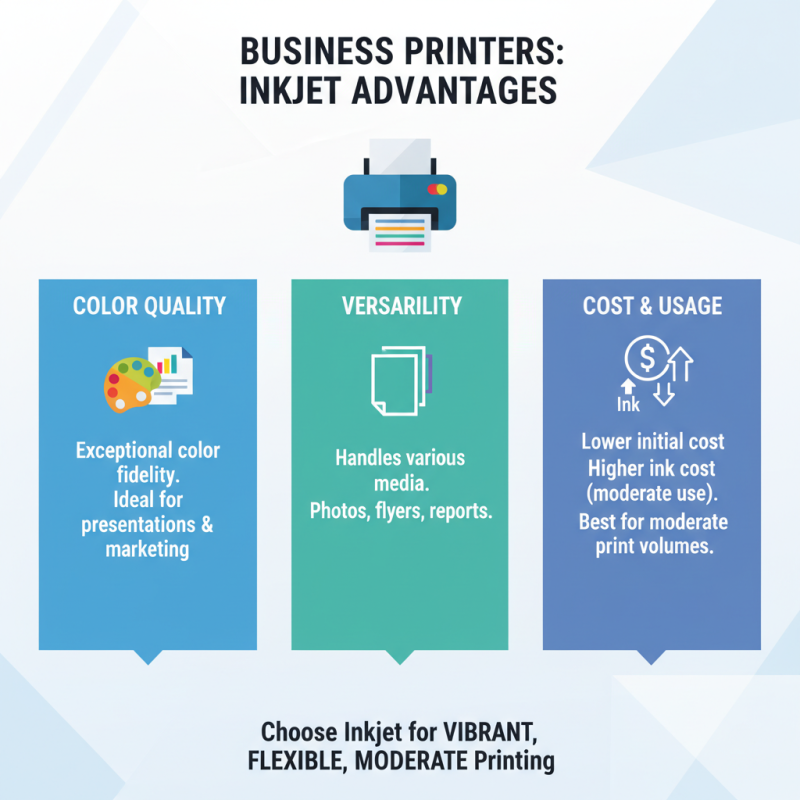
When selecting the right printer for your business, it's essential to consider the specific needs of your operations and how different types of printers can enhance efficiency. One category to explore is inkjet printers, known for their high-quality color output and versatility. They are ideal for businesses that require vibrant presentations or marketing materials without the need for mass production. Inkjet printers typically have a lower upfront cost but may incur higher ongoing costs for ink replacement, making them suitable for businesses with moderate printing needs.
On the other hand, laser printers are often preferred for their speed and efficiency in handling large volumes of black-and-white documents. They offer lower cost per page, making them an excellent choice for companies that frequently print text-heavy reports or paperwork. Additionally, laser printers tend to require less maintenance and offer faster print speeds compared to their inkjet counterparts, thus improving overall productivity in environments where time is critical.
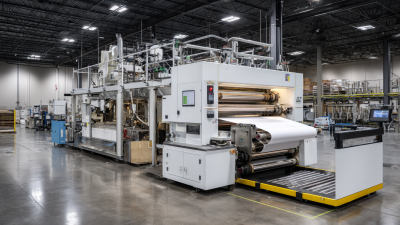
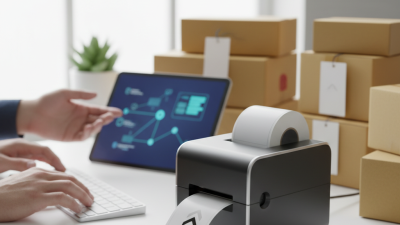
For businesses with specialized printing needs, such as labels or large-format materials, investing in specialized printers like label or wide-format printers might be beneficial. These printers cater to niche requirements and can greatly enhance the quality and effectiveness of specific outputs. By carefully assessing your business model and choosing the printer type that aligns with your operations, you can significantly boost productivity while also managing printing costs effectively.
Cost Analysis: Initial Investment vs. Long-Term Savings
When evaluating the cost of printers for your business, it's essential to conduct a thorough cost analysis that compares the initial investment with potential long-term savings. According to a report by the International Data Corporation (IDC), businesses can save up to 30% on printing costs by choosing the right equipment. While some printers may come with a lower purchase price, hidden costs such as maintenance, supply replenishment, and energy consumption can add up significantly over time. An analysis by InfoTrends found that organizations using multi-function printers can reduce their overall printing expenditures by as much as 40%, as these devices consolidate multiple functions into one, ultimately increasing efficiency.
**Tips:** When selecting a printer, consider the total cost of ownership (TCO), which includes both upfront and ongoing costs. Investing in energy-efficient models can yield additional savings and reduce your environmental footprint. Moreover, conducting a periodic review of your printing needs and habits can help identify areas for optimization and lead to significant reductions in unnecessary expenses.
Another factor to consider is the impact of print volume on costs. Research from Gartner indicates that enterprises that analyze their print volume can adjust their strategies accordingly, often realizing savings of over 20% annually. Understanding your organization's printing patterns and choosing printers that align with your specific needs can enhance workflow efficiency while minimizing excess costs associated with over-specification.
**Tips:** Leverage print management software to track and manage your printing resources effectively. This strategic approach not only helps in budgeting but also in making informed decisions regarding future printer investments.
Cost Analysis: Initial Investment vs. Long-Term Savings on Printers
Impact of Printer Efficiency on Employee Productivity
The efficiency of printers plays a crucial role in enhancing employee productivity in any business environment. When employees spend less time dealing with printing issues, such as jams, slow print speeds, or poor-quality outputs, they can redirect their focus on core tasks that drive business objectives. A reliable printer can help streamline workflows by ensuring that necessary documents are printed quickly and accurately, allowing teams to meet deadlines and collaborate effectively.
Moreover, the choice of printer also influences operational costs. High-efficiency printers typically consume less energy and produce fewer waste materials, further lowering the overall cost of printing. By selecting printers that support automatic duplexing and have high-yield cartridges, businesses can minimize paper usage and reduce the frequency of cartridge replacements. This not only conserves resources but also fosters a more environmentally friendly workplace, which can enhance a company's image and appeal to eco-conscious clients. In turn, this optimized printing solution contributes to a more productive and cost-effective work environment.
Why Choosing the Right Printers for Business Can Boost Your Productivity and Save Costs - Impact of Printer Efficiency on Employee Productivity
| Printer Type |
Pages Per Minute (PPM) |
Monthly Duty Cycle |
Average Cost Per Page |
Employee Productivity Boost (%) |
| Laser Printer |
30 |
50,000 pages |
$0.03 |
25% |
| Inkjet Printer |
15 |
10,000 pages |
$0.10 |
10% |
| All-in-One Printer |
20 |
30,000 pages |
$0.05 |
20% |
| High-Volume Printer |
50 |
200,000 pages |
$0.01 |
30% |
Maintenance and Support: Selecting Reliable Printer Solutions
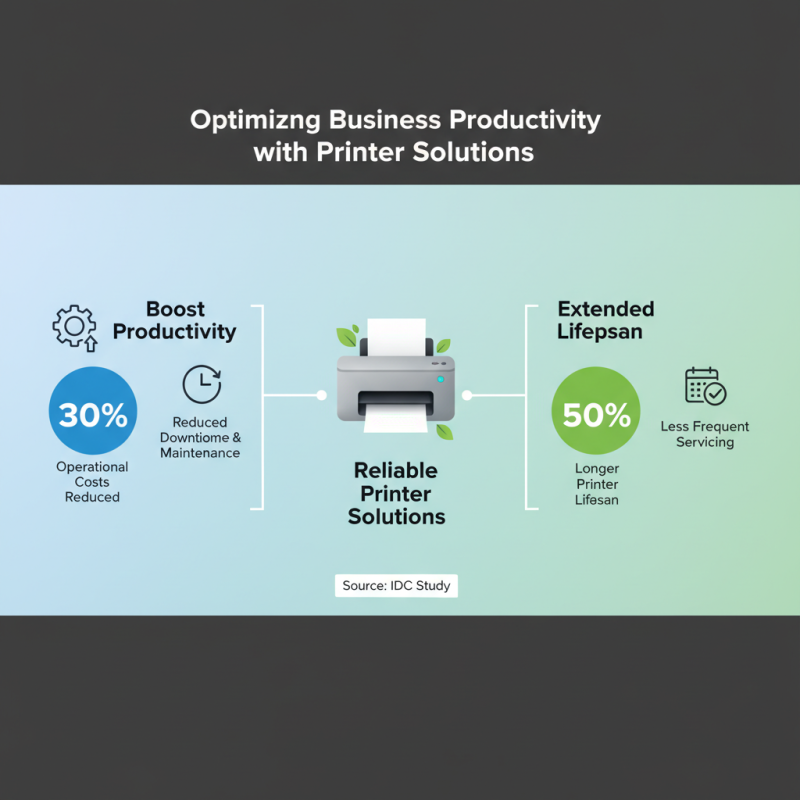
Selecting reliable printer solutions is a crucial factor in optimizing business productivity and managing operational costs effectively. According to a study by the International Data Corporation (IDC), businesses that invest in robust printer solutions can see operational costs reduced by up to 30%. This reduction is largely attributed to decreased downtime and maintenance expenses associated with high-quality devices that require less frequent servicing and replacements. Regular maintenance can also enhance printer lifespan, with well-maintained printers lasting up to 50% longer, further amplifying cost-saving benefits.
In terms of support, companies should consider the availability of comprehensive services that extend beyond the initial purchase. According to a report by the Gartner Group, organizations that utilize printers with strong technical support services can improve their troubleshooting response time by an average of 40%. This improvement is vital in today’s fast-paced business environment where any delay can hinder productivity. Investing in reliable maintenance agreements ensures that businesses have immediate access to professional assistance, minimizing potential disruptions caused by equipment failures or malfunctions. The balance between upfront investment and long-term savings underscores the importance of choosing the right printer solutions backed by dependable support systems.