Why Choose CNC Milling for Your Manufacturing Needs?
Cnc Milling has revolutionized the manufacturing industry, offering precision and versatility. Dr. Emily Carter, a renowned expert in CNC technology, asserts, "CNC milling stands at the forefront of modern manufacturing." Her insights reflect the undeniable advantages this process brings.
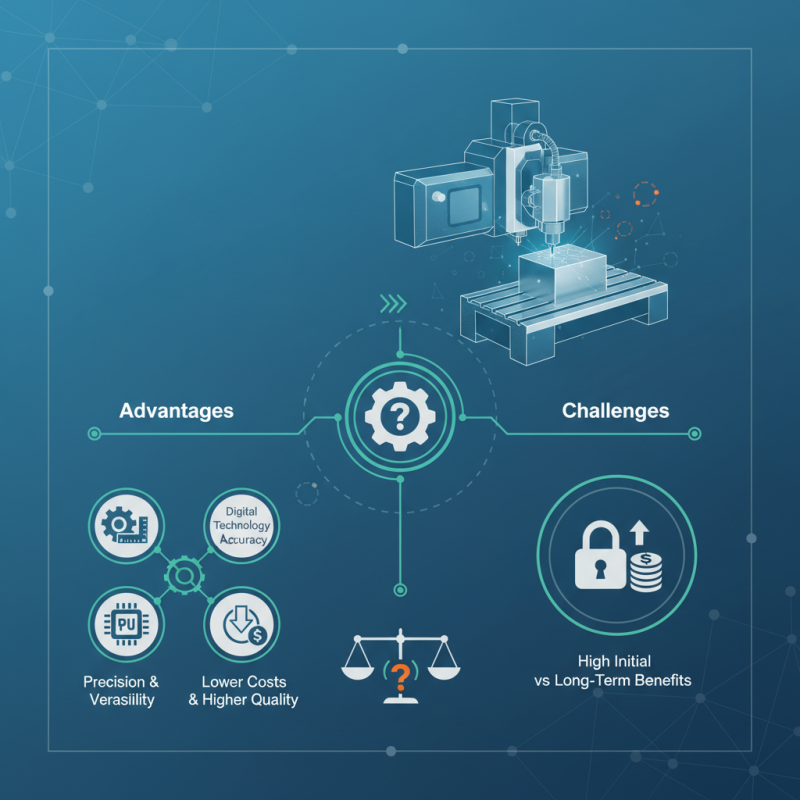
Choosing CNC milling allows manufacturers to create complex parts with ease. The incorporation of digital technology enhances accuracy, reducing human error. This means lower costs and higher quality in production. Customers today demand efficiency, and CNC milling delivers just that.
However, some challenges remain. The initial setup costs can be high. Small businesses may hesitate to invest. It is crucial to weigh these factors against the potential long-term benefits of CNC milling. Adopting this technology could elevate manufacturing capabilities significantly.
Benefits of CNC Milling in Modern Manufacturing
CNC milling has become a vital process in modern manufacturing. It offers precision and flexibility. The ability to produce complex shapes is unparalleled. This ensures high-quality products for various industries, including aerospace, automotive, and medical sectors. CNC milling machines work by removing material from a solid block, creating intricate parts that meet strict specifications.
One major benefit is the consistent quality of the output. Unlike manual machining, CNC milling minimizes human error, leading to fewer defects and waste. Manufacturers can achieve tight tolerances with repeatable results. Many industries rely on this reliability. However, the initial investment in technology can be high. Companies must consider the long-term savings vs. upfront costs.
Another aspect to note is the learning curve. Operating CNC machines requires skilled technicians. Not all employees may adapt quickly to this technology. Training programs can be time-consuming and expensive. Still, the benefits often outweigh these challenges. Regular maintenance is also crucial to keep machines in top shape. Understanding both the advantages and drawbacks of CNC milling is essential for effective implementation in any manufacturing strategy.
Versatility of CNC Milling Across Various Industries
CNC milling stands out due to its versatility across various industries. This machining process offers precise cuts, allowing manufacturers to create intricate designs with ease. From aerospace to medical devices, CNC milling accommodates a wide range of materials, including metals and plastics. The adaptability of CNC machines helps reduce production time while maintaining quality.
When choosing CNC milling, consider material selection. Different materials can affect the machining process and final product. You might want to test with a sample before committing to large batches. Understanding the capabilities of your CNC machine is essential too. Not all machines can handle the same specifications, so ensure yours aligns with your project requirements.
In industries like automotive, CNC milling is invaluable. It produces components with high precision, reducing waste and improving efficiency. However, designing complex parts may present challenges. There may be a learning curve when it comes to creating effective Blueprints. Continuous training and collaboration among engineers and machinists can enhance the outcomes. Emphasizing continuous improvement in your processes can lead to better results over time.
Advantages of CNC Milling Across Various Industries
Precision and Accuracy in CNC Milling Processes
CNC milling has become a cornerstone in modern manufacturing for its precision and accuracy. According to a recent industry report, CNC milling machines can achieve tolerances as tight as ±0.001 inches, making them ideal for complex projects. This precision minimizes material waste and reduces the time needed for secondary operations, ultimately leading to cost savings.
The technology behind CNC milling allows for intricate designs that are often unattainable through traditional methods. A study by the American Society of Mechanical Engineers noted that industries using CNC milling reported a 20% increase in production efficiency. However, it's crucial to acknowledge that achieving this level of precision requires skilled operators and regular maintenance of machinery. Neglecting these aspects can compromise quality and lead to production delays.
Moreover, while CNC milling is efficient, it is not without its limitations. The rigidity of the technology may not accommodate every unique design flexibility. Some complex shapes or materials can pose challenges. Understanding these limitations is essential for manufacturers aiming to optimize their production processes and ensure high-quality outcomes. Balancing the advantages of CNC milling with its potential drawbacks is vital for sustained success in manufacturing.
Cost-Effectiveness of CNC Milling Compared to Traditional Methods
CNC milling has transformed the manufacturing landscape, offering a cost-effective alternative to traditional machining methods. The precision of CNC milling allows for a high level of detail and accuracy in producing components. This precision reduces waste and minimizes the need for rework, which can save significant time and resources. In contrast, traditional methods often lead to material loss due to human errors during manual processes.
Moreover, CNC milling machines can operate continuously with minimal downtime. They require less manual labor, which can decrease overhead costs. While the initial investment in CNC technology may seem high, the long-term savings on labor and material costs quickly make up for it. Many companies have noticed a positive impact on their overall profitability and efficiency.
It is important to recognize that transitioning to CNC milling isn't without challenges. Proper training is essential for operators to maximize the machines' capabilities. There may also be a learning curve when integrating CNC technology into existing processes. Despite these hurdles, the benefits of precision and cost savings often outweigh the initial difficulties. Understanding both sides of the coin allows businesses to make informed decisions.
Sustainability and Efficiency in CNC Milling Operations
CNC milling operations are becoming increasingly recognized for their sustainability and efficiency. The manufacturing industry generates significant waste. Reports indicate that about 30% of materials can be wasted during traditional machining processes. In contrast, CNC milling can reduce waste by as much as 50% through precise material removal. This efficiency not only conserves resources but also lowers production costs.
Moreover, CNC milling promotes energy efficiency in the manufacturing process. A recent study highlighted that CNC machines consume up to 60% less energy compared to conventional milling machines. These machines can effectively optimize speed and feed rates, reducing energy consumption during operations. This capability is essential as industries face rising energy costs.
Despite these advantages, challenges remain. The initial cost of CNC technology can be high. Additionally, some businesses may lack trained personnel to operate such machinery effectively. Investing in training and upgrading existing processes can be daunting. Balancing these upfront costs with long-term savings requires reflection and careful planning. However, the potential benefits of sustainable practices in CNC milling cannot be ignored. As industries advance, embracing these practices will be crucial for competitiveness and environmental responsibility.