How to Create Bespoke Labels: A Step-by-Step Guide for Unique Branding
Creating bespoke labels is an essential aspect of unique branding that sets products apart in a crowded market. According to branding expert Amelia Turner, "Bespoke labels are not just about aesthetics; they are a reflection of a brand's identity and values." This emphasizes the significance of customized labeling in creating a strong connection between the product and its audience. In a world where consumers are bombarded with choices, bespoke labels help capture attention and convey a story.
In this guide, we will explore the step-by-step process of designing bespoke labels that resonate with your target market. From understanding your brand's essence to choosing the right materials and designs, each element plays a crucial role in enhancing your product's appeal. We'll delve into practical tips and creative ideas that will empower you to craft labels that not only look stunning but also encapsulate the uniqueness of your brand. Embracing the art of bespoke labels could very well be the key to transforming your brand's presence and impact in the marketplace.

Understanding the Importance of Bespoke Labels in Branding
Bespoke labels play a crucial role in branding by providing a unique identity that distinguishes a product in a crowded marketplace. These custom labels go beyond mere functionality; they convey a brand’s story, values, and aesthetic. When customers encounter a product with a well-designed bespoke label, it creates an immediate impression that reflects quality and authenticity. This connection can significantly influence purchasing decisions, making bespoke labels essential for establishing a strong brand presence and fostering customer loyalty.
Moreover, bespoke labels enhance the overall brand experience by appealing to customers’ emotions and sensory perceptions. A carefully crafted label can evoke feelings of trust and desirability, appealing to consumers who seek products that resonate with their personal values and lifestyle. From the choice of materials to the design aesthetics, every element of a bespoke label can be tailored to align with the brand's vision. This personalized approach not only sets products apart but also communicates the brand's commitment to quality and attention to detail, ultimately creating a memorable and impactful connection with consumers.
Identifying Your Brand's Unique Selling Points for Label Design
Identifying your brand's unique selling points (USPs) is crucial when designing bespoke labels that effectively communicate your identity to consumers. A strong USP sets your brand apart from competitors, emphasizing qualities that resonate with your target audience. According to a report by Nielsen, 59% of consumers prefer to buy new products from brands familiar to them, indicating that a distinctive label can significantly influence purchasing decisions. By pinpointing specific characteristics—such as sustainability, quality, or local sourcing—you can create labels that embody these values and appeal directly to conscious consumers.
Effective label design also requires a keen understanding of market trends. Recent data from the Global Branding and Packaging Study reveals that 70% of consumers are influenced by packaging when making their selections. This statistic underscores the importance of incorporating your USPs into your label. For example, if eco-friendliness is a part of your brand's essence, consider utilizing recyclable materials or highlighting certifications on your labels. Such strategies not only enhance the visual appeal of your products but also foster brand loyalty by aligning with the consumers' desire for responsible consumption. By authentically representing your brand's unique attributes through effective label design, you can effectively attract and retain customers in an increasingly competitive marketplace.
Choosing the Right Materials and Techniques for Your Labels
When creating bespoke labels, selecting the right materials and techniques is crucial for establishing a strong brand identity. According to a recent report by Smithers Pira, the global labels market is projected to reach over $50 billion by 2024, highlighting the importance of effective label design in competitive branding. Different materials, such as paper, vinyl, and polyester, offer unique benefits. For instance, paper labels are cost-effective and ideal for short-run products, while vinyl labels provide durability and weather resistance, making them suitable for outdoor applications.
In addition to material selection, the printing technique plays a vital role in achieving high-quality labels. Digital printing is gaining traction due to its flexibility and ability to produce short runs with customization at lower costs. A study by the National Association of Label Manufacturers indicates that nearly 30% of label printers in the U.S. adopted digital printing technologies in the past year, emphasizing a shift towards more innovative solutions. Meanwhile, traditional methods, such as flexography, remain prevalent for larger production volumes, offering efficiency and consistency. Choosing the right combination of materials and printing techniques not only enhances the aesthetic appeal but also ensures that labels withstand the rigors of their intended environments, aligning with brand values and consumer expectations.
Material Choices for Custom Labels
Designing Your Label: Elements to Consider for Impact
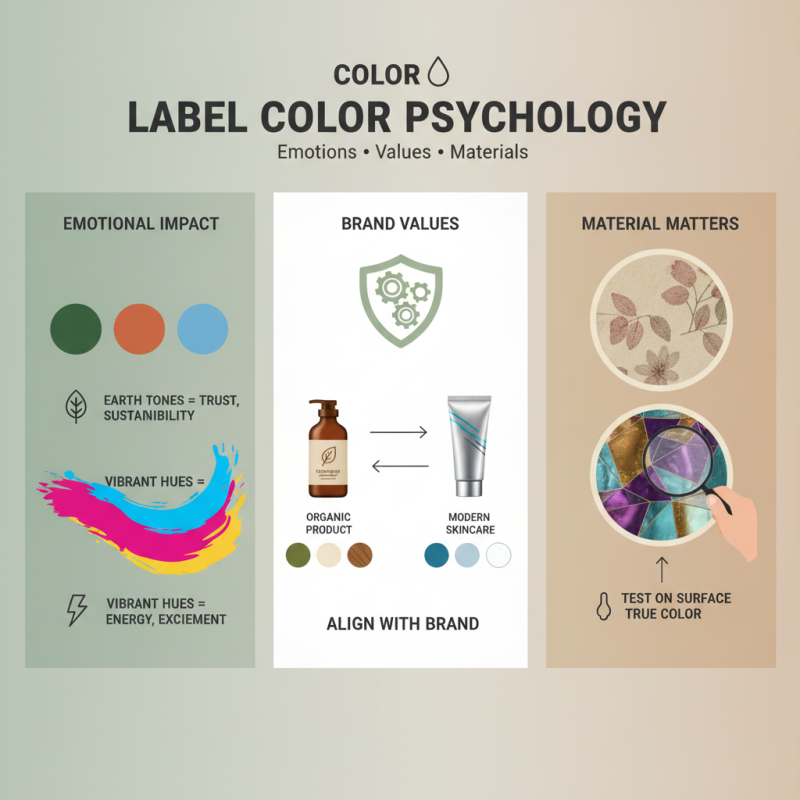
When designing your label, one of the first elements to consider is color. The colors you choose can evoke specific emotions and convey brand values, so it's essential to select a palette that aligns with your overall branding strategy. For example, earthy tones may suggest sustainability, while vibrant hues can evoke energy and excitement. Additionally, consider how colors will translate across different surfaces and materials; testing your color choices on the actual label material can provide insights into how they appear in the final product.
Another critical aspect is typography. The font you select should not only be readable but also reflect the personality of your brand. A classic serif font can denote tradition and reliability, while a modern sans-serif can suggest a contemporary approach. Pay attention to hierarchy; ensure your key information, like the product name, stands out through size or weight variations. Moreover, the arrangement of text, such as aligning elements or incorporating shapes, can enhance the overall visual impact and guide the customer’s eye to crucial details. Taking the time to thoughtfully combine these design elements will help create labels that not only stand out on the shelf but also resonate with your target audience.
Printing and Finishing Options for High-Quality Label Production
When it comes to creating bespoke labels that stand out, the printing and finishing options play a crucial role in elevating the quality of your product. To begin, selecting the right printing technique is essential. Options such as
digital printing offer flexibility and cost-effectiveness for smaller runs, ensuring vibrant colors and intricate designs can be replicated accurately. On the other hand, traditional methods like
offset printing are ideal for larger batches, providing consistent quality and sharp detail across numerous labels. Understanding your production volume and design complexity will guide you in choosing the most suitable printing method.
Following the printing phase, the finishing touches greatly influence the label's overall impact and durability. Techniques such as die-cutting allow for custom shapes that can enhance brand identity. Moreover, applying coatings like
gloss or matte can provide additional protection and improve the tactile experience, making the label more appealing to consumers. Lamination is another finishing option that lends durability against moisture and tearing, ensuring your labels retain their pristine condition throughout their lifecycle. By carefully considering both printing and finishing choices, you can create unique labels that not only attract attention but also reflect your brand’s essence.