How to Create Stunning Bespoke Labels for Your Business or Projects
In the competitive landscape of business and project branding, the significance of bespoke labels cannot be overstated. These tailor-made labels serve not just as identifiers for products, but as powerful marketing tools that convey the essence of a brand. As industry expert Sam Peterson, a renowned designer in custom packaging solutions, aptly puts it, “Bespoke labels are the silent ambassadors of your brand; they have the power to tell your story without uttering a word."
Creating stunning bespoke labels requires a deep understanding of design principles, material selection, and the emotional connection that labels can forge with consumers. Whether you are launching a new product line or revamping an existing brand, the process of designing bespoke labels should be approached with creativity and strategic intent. Integrating unique design elements and high-quality finishes can elevate a simple label into a memorable brand experience.
This guide aims to walk you through the essential steps to creating bespoke labels that not only capture attention but also resonate with your target audience. From conceptualization to execution, each phase of the label creation process provides an opportunity to reflect your brand’s values and engage your customers effectively.
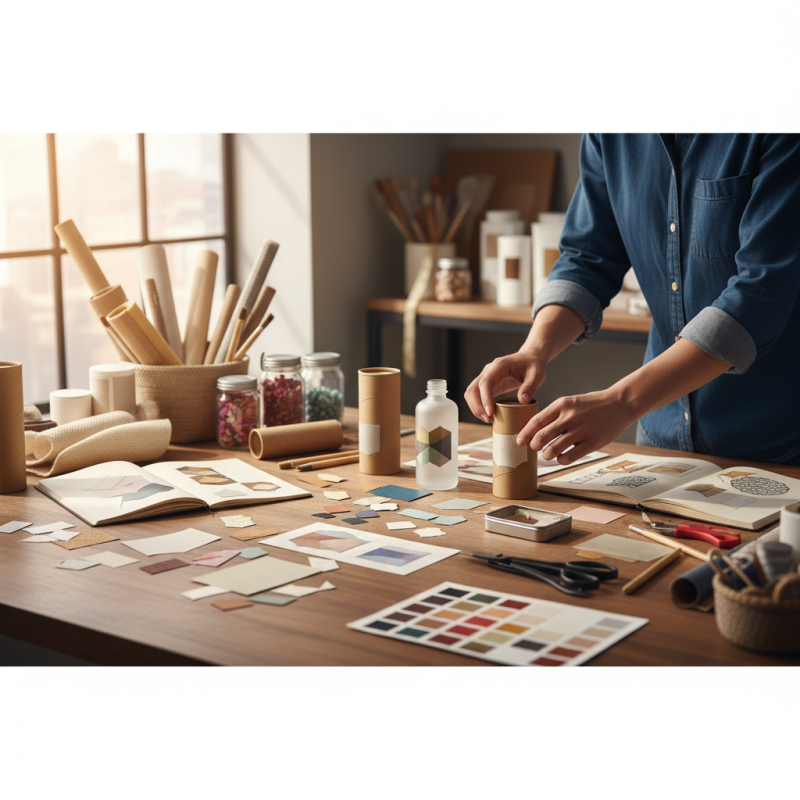
Understanding the Importance of Bespoke Labels for Branding
Bespoke labels play a crucial role in enhancing brand identity and recognition. According to research from the Label Manufacturers Association, 60% of consumers feel that custom labels significantly influence their purchasing decisions. Labels not only convey essential product information but also reflect the essence of a brand’s values and aesthetics. A well-designed label can evoke emotion and familiarity, leading to greater customer loyalty. In a marketplace crowded with competitors, having a distinctive label can set a brand apart and create a lasting impression.
To create stunning bespoke labels, consider the following tips. First, focus on your target audience and tailor your design to their preferences. Utilizing colors, fonts, and imagery that resonate with your demographic can enhance engagement. Second, ensure that the materials used for the label are aligned with your brand’s message – sustainable packaging options, for example, are increasingly appealing to eco-conscious consumers. Lastly, don’t underestimate the power of storytelling; a label that tells a story about its creation or the brand’s mission can forge a deeper connection with the customer.
Investing in bespoke labels can yield substantial returns. A study by the Packaging Association found that 72% of shoppers admit that packaging design affects their buying choices. This shows that an original label not only elevates aesthetic appeal but can also significantly impact sales. The strategic use of bespoke labels serves not just as a functional aspect of a product, but as a pivotal branding tool that communicates quality, creativity, and authenticity.
Identifying Your Target Audience and Their Preferences
Understanding your target audience is crucial to creating bespoke labels that not only capture attention but also resonate with your consumers. According to a recent report by Nielsen, packaging design can influence 70% of a consumer's purchase decisions at the point of sale. Therefore, identifying the preferences and demographics of your target audience serves as the foundation for effective label design. For instance, younger consumers tend to prefer vibrant colors and modern fonts, while older demographics may favor more classic and subdued styles. Knowing these nuances can shape your design decisions significantly.
Moreover, data from the Packaging Optimization Report 2022 indicates that 65% of consumers consider packaging information such as sustainability when making purchasing decisions. This implies that brands must align their label designs with the values and preferences of their target audience. Conducting surveys or focus groups to gather insights on design preferences can provide invaluable feedback. Such research not only enhances customer satisfaction but also fosters brand loyalty, as consumers feel a connection with products that reflect their values and preferences. Tailoring your bespoke labels to meet these criteria can lead to a substantial increase in brand visibility and consumer engagement.
Choosing the Right Material and Design for Your Labels
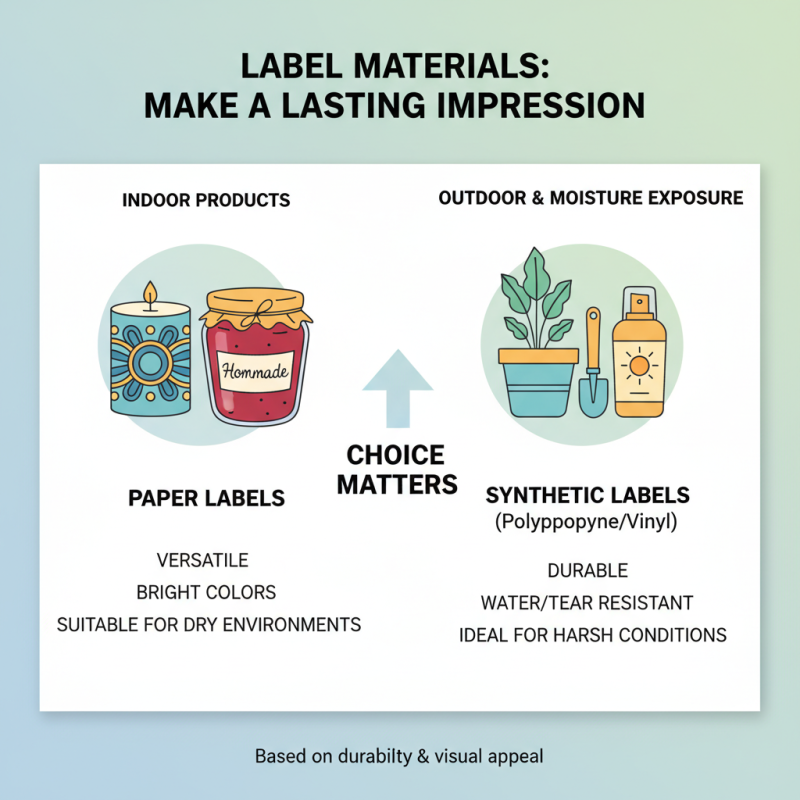
When it comes to creating bespoke labels for your business or projects, selecting the right material and design is crucial in making a lasting impression. The material you choose not only affects the durability of your labels but also influences their visual appeal. For instance, paper labels are versatile and can be printed in vibrant colors, making them suitable for products that are kept indoors. On the other hand, synthetic materials like polypropylene or vinyl are perfect for outdoor products or items that may be exposed to moisture, as they resist wear and tear.
Tips: Consider the environment where your products will be displayed. If they are likely to be in damp or humid conditions, opt for waterproof materials. Additionally, think about the texture of the label; a matte finish can convey elegance, while a glossy finish can enhance color vibrancy.
Design choices are equally important. A well-thought-out design not only captures attention but also communicates your brand message effectively. Keep in mind the color scheme, typography, and imagery that resonate with your target audience. Simplicity often goes a long way; a clean design can enhance readability and ensure your message stands out.
Tips: Use high-contrast colors to make your text easy to read, and limit your font choices to maintain harmony in your design. Incorporating your brand's logo or unique elements can help create a more personal touch.
Using Design Software to Create Custom Label Designs
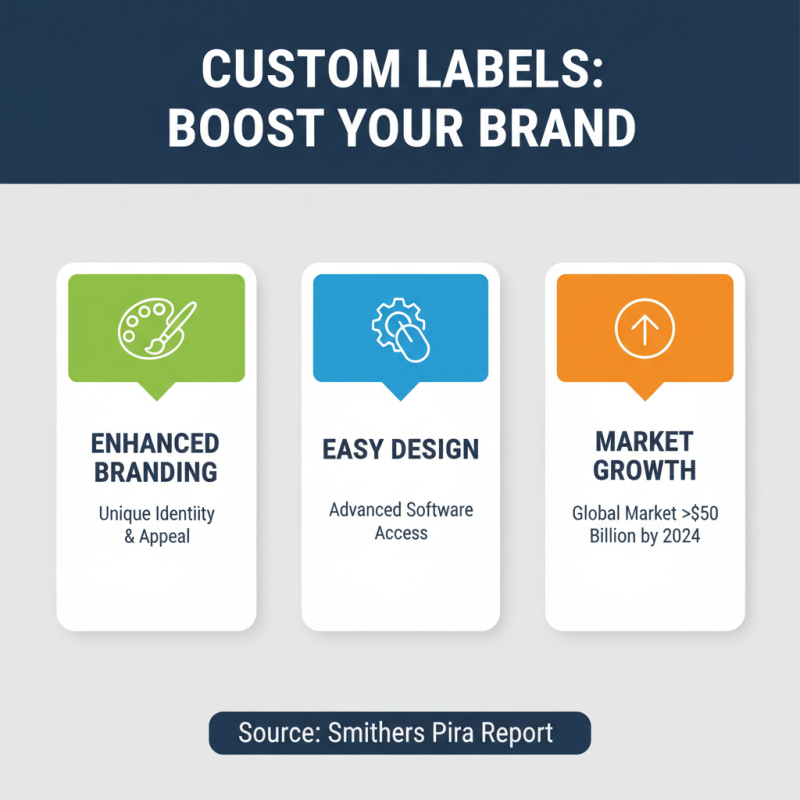
Creating custom label designs can significantly enhance the branding and appeal of your business or project. With the integration of advanced design software, the process of crafting bespoke labels has become more accessible and creatively fulfilling. According to a report by Smithers Pira, the global label market is poised to exceed $50 billion by 2024, driven by increasing demand for personalized and innovative packaging solutions. This trend underscores the importance of high-quality label design in distinguishing products in a competitive marketplace.
Utilizing design software, such as Adobe Illustrator or Canva, enables businesses to leverage professional tools that cater to their specific needs. These platforms often provide easy-to-use templates and design elements that can help streamline the creation process while allowing for extensive customization. A survey by the National Association of Printers and Lithographers revealed that businesses that invest in custom labeling see an average of 20% increase in sales due to improved product visibility and consumer engagement. The ability to tailor labels for unique projects, whether for events, products, or branding materials, can create a lasting impression and foster customer loyalty.
Moreover, the incorporation of data-driven design principles can further refine label creation. Utilizing analytics and market research, businesses can identify target demographics and design labels that resonate with their audience. A report from Mordor Intelligence indicates that personalized packaging can boost consumer satisfaction by up to 30%, indicating the potential ROI of investing in quality design software for label creation. This strategic approach not only enhances aesthetic value but also aligns marketing efforts with customer preferences, making it an invaluable asset for any brand.
Tips for Professional Printing and Application of Labels
When it comes to producing bespoke labels for your business or projects, the process of professional printing and application is crucial for achieving a polished look. Start by selecting high-quality materials that will enhance the visual appeal of your labels.
Consider factors like durability, finish, and texture, as these will influence not only the look but also the longevity of the labels. For instance, using water-resistant or tear-proof materials can be particularly beneficial for products that will be exposed to challenging environments.
Once you have your materials set, focus on the design process. Ensure that your label design incorporates clear branding elements and that any text is legible from a distance. Utilize design software to create polished graphics and maintain a consistent color palette that aligns with your brand image. After finalizing the design, consider working with a professional printing service that can provide precise color matching and high-resolution output. This guarantees that your labels will not only look stunning but also withstand the test of time during application and handling.
Finally, when applying your labels, accuracy is key. Utilize tools like label dispensers for precise placement, ensuring that each label adheres correctly without bubbles or misalignment. Test a few labels on different surfaces to determine the best adhesion properties, as this can vary based on the material of the product being labeled. By paying attention to these details, you can create labels that effectively communicate your brand's message and enhance product presentation.