2026 How to Create Unique Bespoke Labels for Your Brand?
Creating unique bespoke labels is essential for brands seeking to stand out. According to industry expert Sarah Thompson, “Bespoke labels can transform your product’s identity.” Personalized labels reflect the brand's story and values. They engage customers on a deeper level.
Businesses should focus on quality and craftsmanship. Bespoke labels can include unique materials and sustainable options. This adds an extra layer of appeal. When customers feel connected, they are more likely to buy. However, creating bespoke labels is not always easy. It requires creativity and careful planning.
Brands must also navigate challenges. Balancing uniqueness with cost is crucial. Some may lean too much on trends, risking their identity. Reflecting on these decisions can lead to stronger branding overall. In the world of bespoke labels, authenticity is key. It is what ultimately resonates with consumers.
Understanding the Importance of Unique Bespoke Labels for Branding
Unique bespoke labels serve as a crucial element of branding. They communicate the essence of your brand. Every detail matters, from the shape to the color and the texture. Custom labels tell a story. They can evoke emotions and create connections with consumers. A thoughtfully designed label can set your product apart on a crowded shelf.
Creating bespoke labels is not without its challenges. Brands often grapple with balancing creativity and practicality. Striking the right tone can feel daunting. Some may lean too heavily on trendy designs, risking inconsistency. Others might shy away from bold choices, missing opportunities for standout appeal. Reflecting on your brand’s identity while innovating is essential.
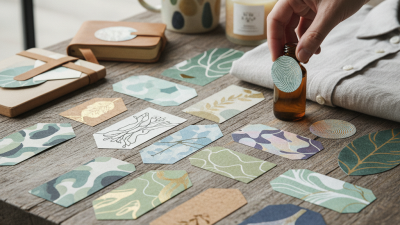
Moreover, the choice of materials can impact perception. Eco-friendly options resonate with a conscientious audience. However, sourcing sustainable materials may pose logistical challenges. Quality must remain uncompromised. Labels should not only look good but also endure through handling and time. Every aspect should reflect your brand's values and elevate customer experience.
2026 How to Create Unique Bespoke Labels for Your Brand? - Understanding the Importance of Unique Bespoke Labels for Branding
| Label Type |
Material |
Design Element |
Color Scheme |
Size (cm) |
Printing Technique |
| Hang Tags |
Recycled Paper |
Custom Logo |
Earth Tones |
5 x 10 |
Offset Printing |
| Product Labels |
Vinyl |
Bold Typography |
Pastel Colors |
8 x 4 |
Digital Printing |
| Wine Labels |
Paper with Foil |
Elegant Illustration |
Deep Reds |
12.5 x 9 |
Flexographic Printing |
| Custom Stickers |
Paper or Plastic |
Graphic Design |
Bright Colors |
6 x 6 |
Screen Printing |
Key Elements of Effective Label Design: Colors, Fonts, and Materials
Creating bespoke labels requires attention to key design elements. The right colors evoke emotions and represent your brand's identity. Choose a palette that resonates with your target audience. Bright, vibrant colors can catch the eye, while soft tones suggest elegance. Balance is crucial; avoid overwhelming choices that may confuse potential customers.
Fonts play a significant role. They convey your brand’s personality. A clean, modern font can signal innovation, while a classic font may suggest tradition. Ensure readability across all sizes. Test different fonts; some may look great on screen but fall flat in print. Consistency in font usage across all labels strengthens brand recognition.
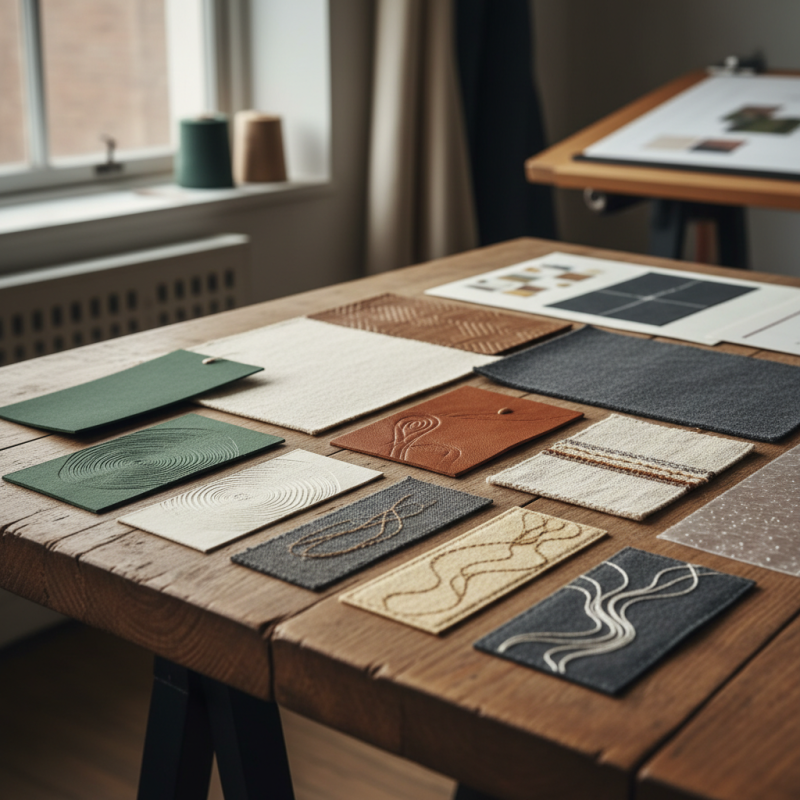
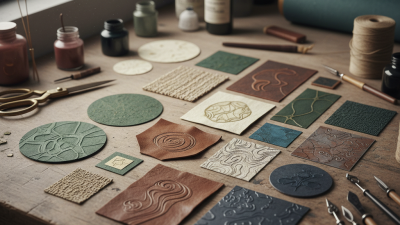
Material selection adds another layer of uniqueness. Eco-friendly materials appeal to conscious consumers. Textured finishes can add tactile interest. However, consider costs and durability. Labels must withstand handling and environmental factors. Reflect on how the chosen materials align with your brand values and aesthetic. Do they feel premium, or do they compromise on quality?
Tips: Use color psychology to guide your choices. Experiment with mock-ups before finalizing. And seek feedback from peers or focus groups. Keep evolving; what works today might not work tomorrow. Always stay open to new ideas.
Market Trends in Custom Labels: Statistics and Consumer Preferences
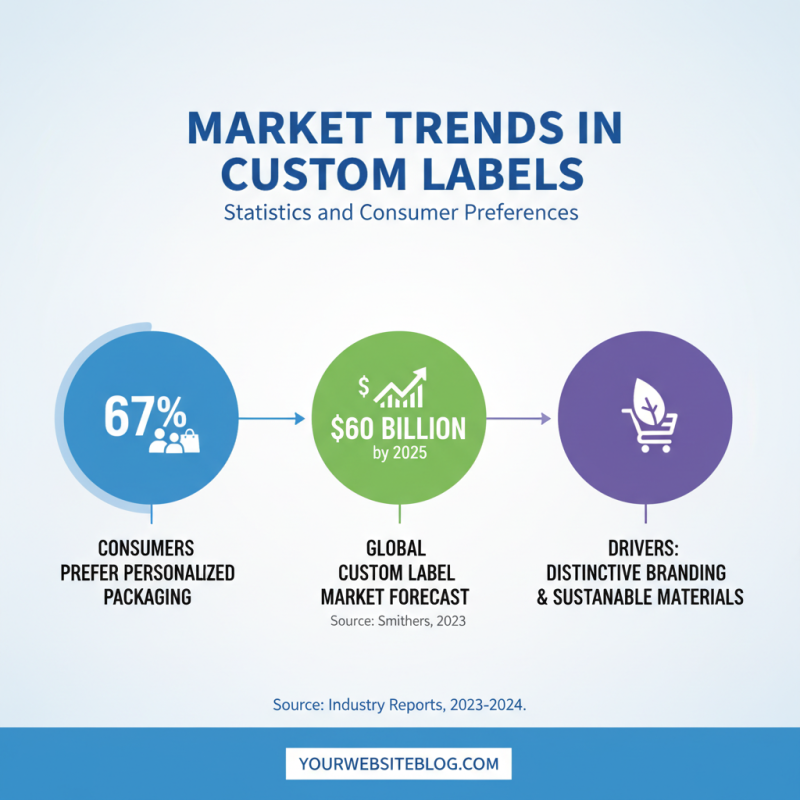
The market for custom labels is rapidly evolving. Recent studies indicate that 67% of consumers prefer personalized packaging. Unique labels create a connection, making products more memorable. According to a 2023 report by Smithers, the global custom label market is expected to reach $60 billion by 2025. This growth is driven by rising consumer demand for distinctive branding and sustainable materials.
To stand out, brands must embrace innovative designs. High-quality materials are vital. A focus on eco-friendly options can also appeal to environmentally conscious buyers. For instance, using recycled paper or biodegradable options increases brand loyalty. Additionally, advancements in printing technologies allow more creative flexibility. Brands can easily experiment with colors and textures.
Tip: Consider incorporating QR codes into labels. This can enhance engagement, providing consumers with additional product information. Another suggestion is to conduct surveys to gather consumer preferences. This feedback can be invaluable in refining label designs to meet customer expectations. Stay informed about market trends to adapt your strategies effectively.
Steps to Create Bespoke Labels: From Concept to Production
Creating bespoke labels for your brand is a unique journey that combines creativity with practicality. It starts with a clear concept. Understand your brand identity deeply. This involves defining your target audience and the message you want your labels to communicate.
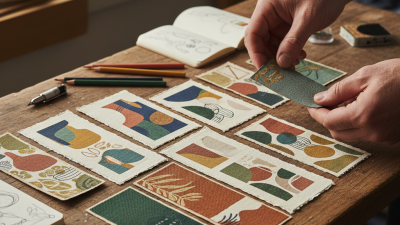
Color selection, typography, and imagery must align with your brand personality. Sketch initial ideas to visualize your thoughts.
Once the concept is solid, move to production. Sourcing quality materials is essential. Every detail counts—from the texture of the label to the durability of the adhesive. Collaborate with a skilled printer familiar with label production.
It's crucial to communicate your vision clearly. Mistakes can lead to delays. Test samples are valuable for assessing the final look and feel.
As you refine your designs, be open to feedback. Sometimes, what looks good in theory might not translate well in reality. It’s a process of trial and adjustment. Even seasoned designers encounter unexpected challenges. These challenges can enhance the quality of your final product, making your bespoke labels truly stand out.
Choosing the Right Printing Technology for Your Label Needs
Choosing the right printing technology is crucial for creating bespoke labels. Recent industry reports indicate that 70% of businesses believe custom labels enhance brand recognition. However, selecting the appropriate technology can be daunting.
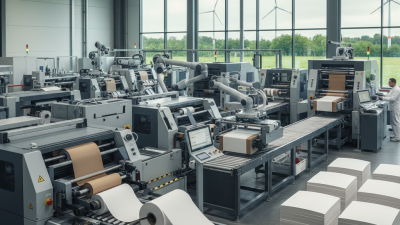
Digital printing offers flexibility and quick turnaround. For smaller batches, it can be cost-effective. However, its longevity often doesn't match traditional methods. In contrast, flexographic printing serves high-volume needs. This method produces vibrant colors and sharp details. Yet, initial setup costs can be a barrier for smaller brands.
Sustainability is another key factor. Reports show that 57% of consumers prefer eco-friendly packaging. Selecting sustainable printing methods can boost consumer trust. Brands that adopt these technologies must weigh costs and benefits carefully.