Top 10 Tips for Effective Label Design and Printing Strategies?
In the world of label design and printing, effective strategies can make all the difference. Renowned expert Mark Thompson says, "Great labels are about clarity and creativity." This emphasizes the balance needed in the label design and printing industry.
When creating labels, attention to detail is crucial. A label must convey information clearly. It should attract the right attention. Poor design choices can lead to misunderstandings. For example, illegible fonts or dull colors may result in lost sales. The design should reflect the product’s essence.
Reflecting on the process, it’s important to test different designs. Feedback is valuable, but it’s often overlooked. Many assume their first idea is the best. This can lead to mistakes. Label design and printing require an ongoing commitment to improvement. The right approach can help brands stand out and connect with consumers.
Key Principles of Effective Label Design for Products
Effective label design is crucial for any product. It can attract customers and convey important information. Start with clarity. Make sure all text is easy to read. Use a font size that stands out. Limit the number of fonts to avoid confusion. A mixed design might look cool, but it can distract the customer.
Color selection is essential. Use colors that reflect the product's personality and are visually appealing. Bright colors grab attention, while muted tones convey sophistication. Test colors on different backgrounds. Sometimes, what looks good on a screen doesn't translate well to print. Adjustments are often needed.
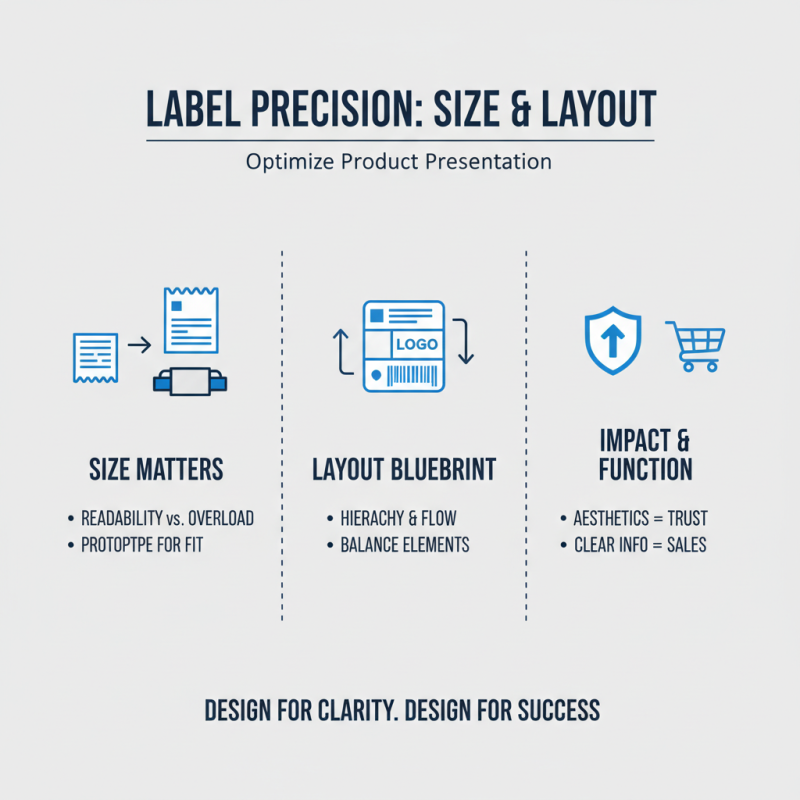
In terms of layout, balance is key. Essential information should be prominent, but don’t overcrowd the space. Consider whitespace as a design element. It gives breathing room. Feedback from peers can be valuable. They may catch details you overlook. Often, the designer's perspective is limited. Get other opinions. This can help refine the final product.
Selecting the Right Materials for Label Printing
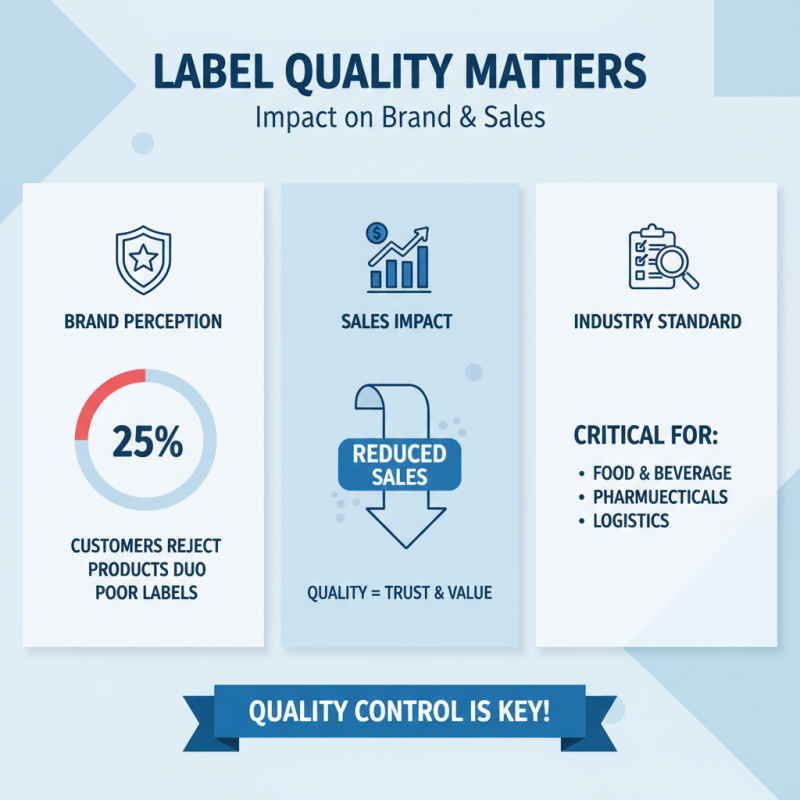
Selecting the right materials for label printing is crucial. The choice of material impacts durability and appearance. According to a 2023 report from the Label Industry Global Statistics, 44% of consumers are influenced by label quality. If the label fades or peels, trust is lost.
Paper labels are commonly used, but they may not always be the best choice. They can absorb moisture and may not withstand extreme conditions. Conversely, synthetic materials like polypropylene and polyester offer better resistance to water and chemicals. These materials can withstand harsh environments, enhancing product longevity.
Additionally, the printing technique will influence material choice. Digital printing often requires specific substrates that can deliver vibrant colors. A 2022 study suggested that nearly 30% of businesses struggle to select the correct printing method and substrate combination. Experimentation is key, yet many brands overlook this step. It’s important to be flexible and open to reevaluating your choices. Being aware of these factors will lead to more effective label outcomes.
Top 10 Tips for Effective Label Design and Printing Strategies - Selecting the Right Materials for Label Printing
| Material Type |
Best for |
Durability |
Finish |
Cost |
| Polyester |
Outdoor applications |
High |
Glossy |
Medium |
| Vinyl |
Bottles and jars |
Medium |
Matt |
Low |
| Paper |
Indoor applications |
Low |
Natural |
Very Low |
| Polypropylene |
Food products |
Medium |
Glossy |
Medium |
| Tactile |
Accessibility |
High |
Textured |
High |
| Eco-friendly paper |
Sustainable products |
Low |
Natural |
Medium |
| Thermal Transfer |
Shipping labels |
Medium |
Glossy |
Low |
| PVC |
Specialty items |
Very High |
Glossy |
High |
| Bopp |
Beverages |
High |
Transparent |
Medium |
| Kraft paper |
Craft products |
Medium |
Natural |
Very Low |
Importance of Color and Typography in Label Design
Color and typography play crucial roles in label design. A well-chosen color palette can greatly influence consumer behavior. According to a study, 93% of consumers judge products based on visual perception. This highlights the importance of creating labels that are not only attractive but also meaningful. For instance, colors evoke emotions, leading to different purchasing decisions.
When selecting colors, consider the target audience. Young consumers may respond well to vibrant hues. In contrast, a more mature audience might prefer muted tones. Be mindful of cultural differences in color interpretation, as these can affect perceptions significantly.
Typography is just as important. The font should reflect the brand’s personality while ensuring readability. Research indicates that 76% of consumers believe the font style influences their trust in a brand. Bold, clean fonts are often easier to read. Experiment with different styles, but keep it simple.
A tip: limit the number of font styles to two or three for a cohesive look. Remember that clarity often trumps creativity. Labels filled with complex fonts can confuse and deter customers.
Additionally, use contrasting colors for text and background to enhance readability. This small detail can elevate an average label into an eye-catching design. Always remember to reflect on your choices. Sometimes, simplicity can be more powerful than elaborate designs.