How to Effectively Label It Labels for Better Organization?
Effective organization is crucial in our fast-paced world. One of the best ways to achieve this is through the use of "label it labels." Proper labeling can significantly enhance your efficiency. It brings order to chaos, allowing you to locate items quickly.
Imagine a cluttered workspace littered with unmarked boxes and disorganized files. This leads to wasted time and unnecessary frustration. By utilizing label it labels, you create a system that is not only user-friendly but also visually appealing. A well-labeled environment fosters productivity by minimizing distractions.
However, perfection is not always attainable. Sometimes, labels can be misplaced or fail to convey the intended message. It's essential to regularly evaluate and adjust your labeling system. Reflecting on what works and what does not will lead to improvements over time. Embrace the imperfections and learn from them as you build a more organized space.
Understanding the Importance of Labeling for Organization
Effective labeling is essential for any organized environment. When items are labeled properly, it saves time. You can find what you need quickly. It reduces frustration and improves efficiency. A cluttered space often leads to chaos. Well-labeled areas can combat this.
Consider color-coding labels. Visual cues help in instant recognition. For example, use red for urgent documents and blue for informational items. This method allows for quick identification. Each color speaks to its purpose. Experiment and reflect on what works best.
Keep labels consistent in size and font. This small detail improves readability. When labels look similar, they create harmony. Sometimes, we overlook the importance of uniformity. A mismatched label can confuse. Take the time to reassess your labeling system regularly. It could save you from future headaches.
Choosing the Right Labeling System for Your Needs
When choosing a labeling system that suits your needs, think about the types of items you need to organize. Consider whether you are labeling files, storage, or supplies. Each category has different requirements. For instance, file labels should be easy to read and durable. Storage labels, on the other hand, may need to be more colorful and eye-catching to grab attention.
Think about the materials you want to use. Paper labels are versatile and can be easily printed. Yet, they may not withstand moisture or rough handling. Plastic labels are durable but can be harder to write on. Make a practical choice based on where the labels will be used. Reflecting on your environment can help narrow down options.
It’s also important to remember that not every label system will work perfectly for you. You might find a system that looks great initially but is inefficient in daily use. Some people prefer handwriting labels, while others benefit from pre-printed options. Experiment with different methods to see which ones fit best into your routine. Embrace the process of trial and error as you create a more organized space.
How to Effectively Label It Labels for Better Organization? - Choosing the Right Labeling System for Your Needs
| Label Type |
Use Case |
Material |
Durability |
Cost Range |
| Paper Labels |
General Office Use |
Paper |
Low |
$10 - $25 |
| Vinyl Labels |
Outdoor Use |
Vinyl |
High |
$15 - $35 |
| Clear Thermal Labels |
Shipping and Mailing |
Plastic |
Medium |
$20 - $50 |
| Removable Labels |
Temporary Labeling |
Paper |
Medium |
$12 - $30 |
| Waterproof Labels |
Food and Beverage |
Plastic |
High |
$25 - $60 |
Effective Labeling Techniques for Different Spaces
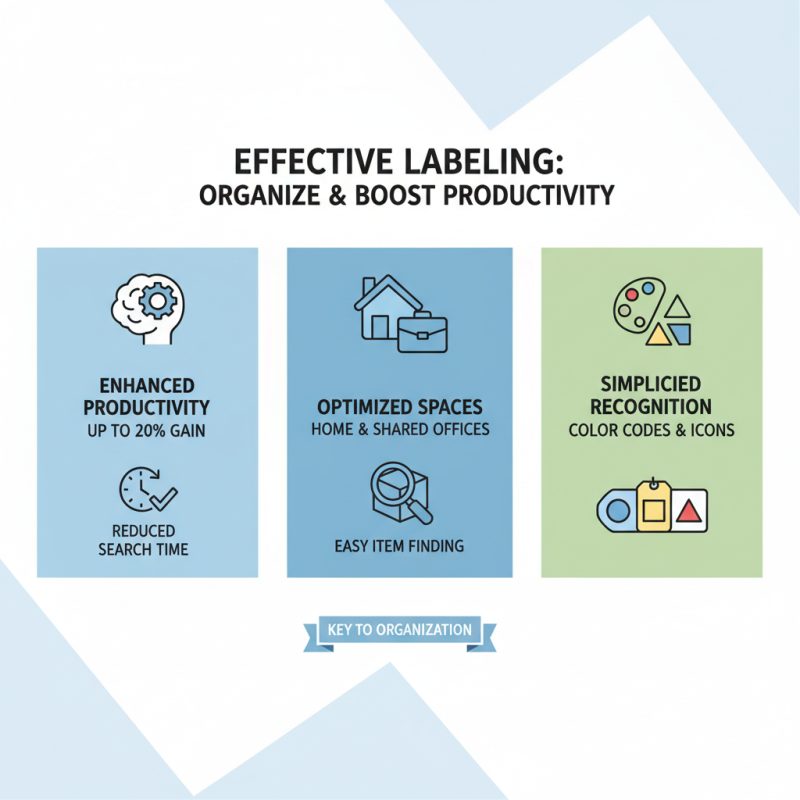
Effective labeling is key in many environments. Studies show that organized spaces enhance productivity by up to 20%. This is especially true in home offices and shared workspaces. Using clear labels helps reduce time spent searching for items. Consider using color codes or icons. These can simplify the recognition process.
In kitchens, specific labels can help group similar foods. For instance, labeling containers by meal type or ingredient category can minimize confusion. A recent survey indicated that over 30% of people admit to struggling with pantry organization. They often forget about items hidden at the back. Simple, well-placed labels can make a significant difference.
Closets also benefit from intentional labels. Grouping clothing by season or occasion makes dressing easier. However, many people overlook the importance of updating these labels. Over time, needs change, and so should your system. In one study, individuals reported feeling less overwhelmed when their closets were labeled effectively. Underestimating this can lead to chaos. By refining labeling techniques, we can create spaces that work for us, providing clarity and ease in daily tasks.
Tips for Maintaining an Organized Labeling System
An organized labeling system can change how you manage your space. Using clear and consistent labels helps you find items easily. However, maintaining that organization is challenging. It requires regular effort and adaptation.
To keep your labeling system effective, regularly review your labels. After a while, some might not reflect the contents accurately. Take time to update or remove outdated labels. Reassess your needs every few months and adjust. You might find that certain categories are no longer relevant.
Make labels specific and concise. Use simple language and clear categories to avoid confusion. If you have a filing system, each label should correspond directly to its contents. It's okay if some labels need tweaking. Reflect on their effectiveness as you organize. This will lead to a more streamlined process in the long run.
Common Mistakes to Avoid When Labeling Items
Labeling items can vastly improve organization, yet many make common mistakes. Research indicates that nearly 40% of people label items incorrectly, leading to confusion. Mislabeling can create chaos in both home and office environments. This confusion often delays tasks and contributes to frustration.
One common pitfall is using vague labels. Instead of “Miscellaneous,” specify the contents more clearly. For example, use “Winter Accessories” for hats and gloves. Clarity can save time. Additionally, color-coding labels can enhance visibility and understanding. A study found that color-coded systems improve retrieval times by over 25%.
Another frequent error is neglecting the label's placement. Some people place labels in hard-to-read areas or use small font sizes. This can negate the benefits of the label entirely. Ensuring labels are legible and easily accessible is vital. A misplaced or unclear label only complicates the search process, leading to more frustration. Prioritizing these details can result in a more efficient and organized space.