How to Effectively Label It Labels for Better Organization and Clarity
In today's fast-paced world, effective organization is more crucial than ever. A well-structured labeling system can significantly enhance clarity and efficiency across various environments, from offices to warehouses. According to a report from the International Organization for Standardization (ISO), up to 30% of workplace productivity can be lost due to disorderly environments and unclear systems. The importance of proper labeling cannot be overstated when it comes to reducing time wastage and increasing overall productivity.
"Label it labels" serve as a fundamental tool in creating a systematic approach to organization. Whether categorizing documents, identifying storage locations, or streamlining inventory management, labels provide an immediate visual aid that enhances accessibility and comprehension. Research by the American Management Association highlights that companies implementing effective labeling strategies report a 20% increase in operational efficiency. This underscores the necessity of adopting a consistent and clear labeling system to foster better organization in any setting.
In this guide, we will explore the best practices for labeling, the various types of labels available, and how to integrate them into your organizational strategies. By mastering the art of labeling, individuals and organizations alike can create environments that promote clarity, reduce confusion, and ultimately drive productivity forward.
Understanding the Importance of Effective Labeling
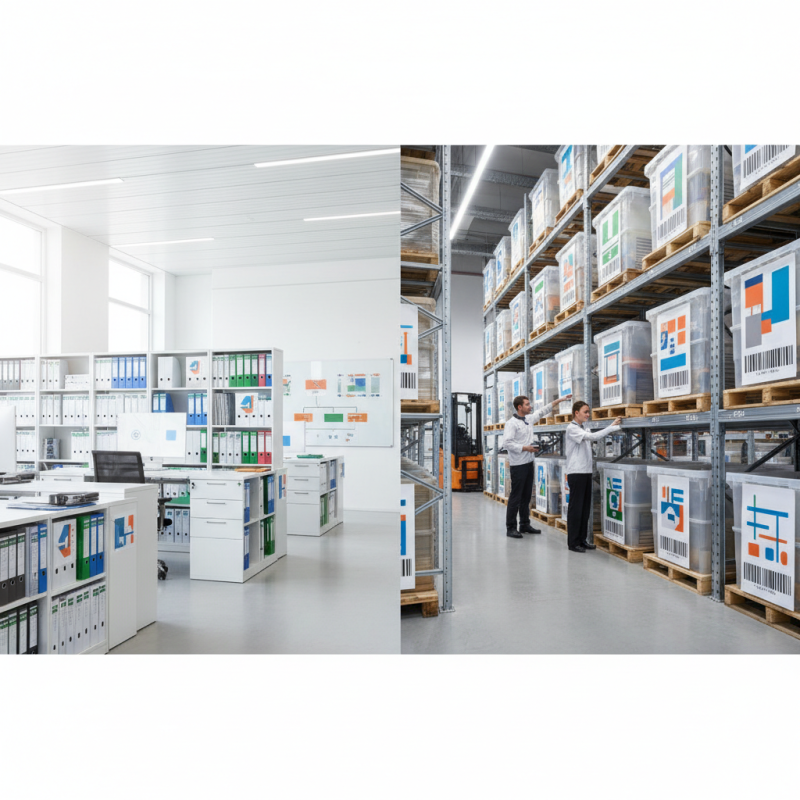
Effective labeling is a cornerstone of organization that transcends mere aesthetics; it directly impacts our ability to access information and maintain clarity in various environments, such as homes, offices, and classrooms. When items are labeled succinctly and effectively, individuals can locate them quickly, reducing time wasted searching through disorganized spaces. This also minimizes cognitive overload, allowing for smoother transitions between tasks and enhancing overall productivity. By providing clear indicators of contents or functions, effective labels serve as visual cues that help streamline processes and improve efficiency.
Furthermore, understanding the importance of effective labeling reveals its role in fostering communication and collaboration. In shared spaces, well-placed labels can convey essential information to multiple users, eliminating confusion and miscommunication. For instance, in a workplace setting, clear labeling of files or supplies ensures that team members can find what they need without interrupting others or causing disruptions. Additionally, good labeling practices can also facilitate training for new personnel, as they can quickly familiarize themselves with systems and workflows just by referring to the labels. Overall, effective labeling fosters an environment where organization thrives, clarity prevails, and everyone can engage more effectively with their surroundings.
Choosing the Right Labeling System for Your Needs
When it comes to labeling, choosing the right system tailored to your specific needs can significantly enhance organization and clarity. Start by assessing the types of items you need to label. Are you working with documents, files, or physical items? For documents, a straightforward text label may suffice, whereas for physical items, color-coded or graphic labels can provide quick identification at a glance.
Tips: Consider using a consistent color scheme across your labels. This improves visual recognition and makes it easier to locate what you need. For example, you can assign one color for urgent files and another for archived documents. Additionally, ensure that your labels are durable and compatible with your storage environment, whether it’s a digital space or a physical one.
Another key aspect is the information you include on your labels. It should be clear, concise, and useful. Avoid cluttering labels with excessive information; instead, focus on key identifiers like dates, categories, or specific descriptions.
Tips: Use a standardized format for naming conventions on your labels. This not only maintains uniformity but also helps others understand your system easily. Consistency in language and formatting will streamline the process of locating items, making your organization system more effective and user-friendly.
Labeling System Effectiveness Comparison
Best Practices for Designing Clear and Informative Labels
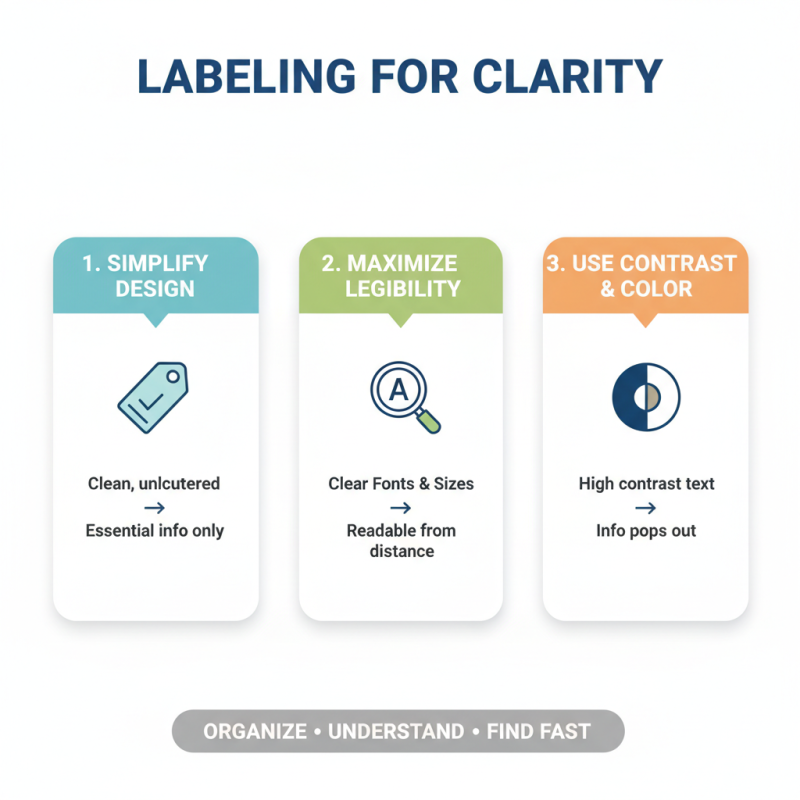
Creating clear and informative labels is crucial for maintaining organization and enhancing user understanding, whether in a home office, workshop, or retail environment. The design of labels should prioritize simplicity and legibility. Use clear fonts and sufficient font sizes to ensure readability from a distance. Color contrasts between text and background can help important information stand out, making labels easy to find and understand quickly.
Tips for designing effective labels include using concise language that conveys the essence of the contents. Avoid jargon and technical terms that may confuse the user. Additionally, consider using symbols or icons to complement the text, as visual cues can be easier to process at a glance. Consistency in label design—such as font choices, size, and color schemes—can also enhance clarity and foster a cohesive look across different areas.
Another essential aspect to consider is the placement of the labels. Positioning them in logical locations where the user might expect to find information will save time and reduce frustration. Ensure that labels are durable and resistant to wear and tear, especially in high-traffic areas, to maintain their legibility over time. By employing these best practices, you can create labels that not only organize but also communicate effectively.
Tips for Organizing Labels for Maximum Efficiency
When it comes to organizing labels for maximum efficiency, the first step is to assess your labeling needs and the environment in which they will be used. Begin by categorizing items based on their purpose or frequency of use. For instance, frequently accessed materials should have prominent labels that allow for quick identification, while less frequently used items can be labeled in a less conspicuous manner. This prioritization helps to ensure that the most important labels catch the eye immediately, enhancing the overall efficiency of the space.
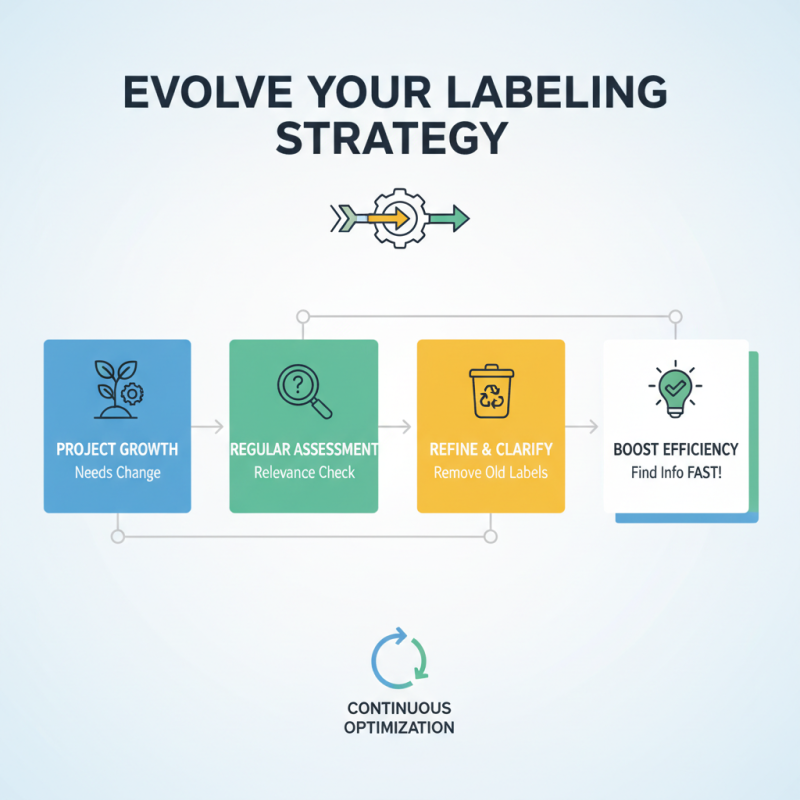
Next, consider the design and layout of your labels. Use clear, concise text and a font size that is easy to read from a distance. Incorporate color coding or symbols to visually differentiate categories, making it easier to navigate through various items at a glance. Additionally, maintaining a consistent labeling format throughout your organization will minimize confusion. Regularly review and update your labels to reflect any changes in your inventory or organization system, ensuring they remain relevant and effective for ongoing use.
How to Effectively Label It: Labels for Better Organization and Clarity
| Label Type |
Purpose |
Recommended Material |
Best Practices |
| File Labels |
Identify content of folders |
Paper or Plastic |
Use clear, concise titles |
| Box Labels |
Organize storage boxes |
Vinyl or Adhesive |
Label sides for easy identification |
| Product Labels |
Identify goods for sale |
Waterproof Synthetic |
Include price and relevant info |
| Shelf Labels |
Organize items on shelves |
Self-Adhesive Paper |
Use large fonts for visibility |
| Equipment Labels |
Identify tools and machinery |
Metal or Durable Plastic |
Include safety info and ID numbers |