Why Are Electrical Labels Essential for Safe Wiring and Compliance
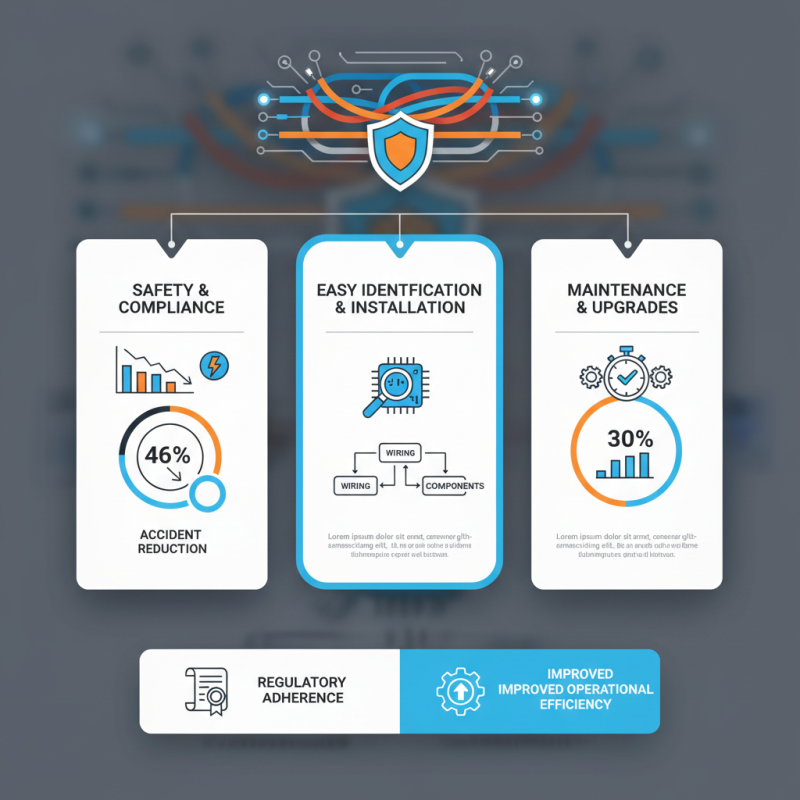
In the realm of electrical installations, safety and compliance are paramount. A crucial element that contributes significantly to these aspects is the proper use of electrical labels. According to the National Fire Protection Association (NFPA), approximately 46% of electrical failures in commercial structures can be traced back to inadequate labeling and documentation of electrical systems. This statistic underscores the vital role that electrical labels play in ensuring that all wiring is easily identifiable and correctly installed, thereby reducing the risk of accidents and enhancing overall workplace safety.
Furthermore, adherence to the National Electrical Code (NEC) mandates specific labeling requirements that not only promote safety but also facilitate maintenance and upgrades to electrical systems. The International Electrotechnical Commission (IEC) states that clear labeling can decrease maintenance time by up to 30%, as technicians can swiftly locate and address issues without unnecessary delays. Therefore, incorporating comprehensive labeling practices is not merely a legal obligation; it is a best practice that leads to greater efficiency and improved operational safety in electrical environments. Through diligent implementation of electrical labels, organizations can safeguard personnel and comply with industry standards, ultimately leading to a more reliable and secure electrical infrastructure.
The Importance of Electrical Labels in Safety and Compliance
Electrical labels play a crucial role in ensuring safety and compliance in any electrical installation. These labels provide essential information regarding the functions, specifications, and hazards associated with electrical equipment and wiring. When properly applied, they help mitigate risks by offering clear guidance to users and technicians, enabling them to understand which components require special handling or precautions. This is particularly important in complex electrical systems where misinterpretation of wiring could lead to accidents or system failures.
Moreover, compliance with local and international electrical standards often mandates the use of appropriate labeling. By adhering to these regulations, organizations not only protect their employees and customers but also avoid potential legal repercussions. Electrical labels help facilitate regular inspections and audits, ensuring that all safety protocols are observed. In this way, they serve as a fundamental tool for promoting a safe working environment, ultimately fostering a culture that prioritizes safety and compliance in electrical engineering practices.
Importance of Electrical Labels in Safety and Compliance
Regulatory Standards Governing Electrical Labeling Practices
Electrical labeling practices are governed by a range of regulatory standards designed to ensure safety and compliance in wiring installations. In the United States, the National Electrical Code (NEC) outlines specific requirements for electrical labels to help reduce the risk of electrical hazards. According to a report by the National Fire Protection Association, improperly labeled electrical systems contributed to approximately 30% of electrical fires, underscoring the critical role that proper labeling plays in maintaining safety.
Internationally, organizations like the International Electrotechnical Commission (IEC) also set forth guidelines to standardize labeling practices. These regulations help ensure that electrical systems are easily identifiable, instructions are clear, and warnings are prominently displayed. Compliance with these standards is not merely a matter of legal obligation; it significantly enhances the safety of electrical installations and minimizes the likelihood of accidents.
Tips: Always ensure that labels are resistant to environmental factors like moisture and UV exposure to maintain visibility. Regular audits of labeling compliance can also help identify potential issues before they lead to unsafe situations. Remember, investing in high-quality labeling materials is a small cost compared to the potential hazards of non-compliance.
Impact of Electrical Labels on Accident Prevention and Risk Management
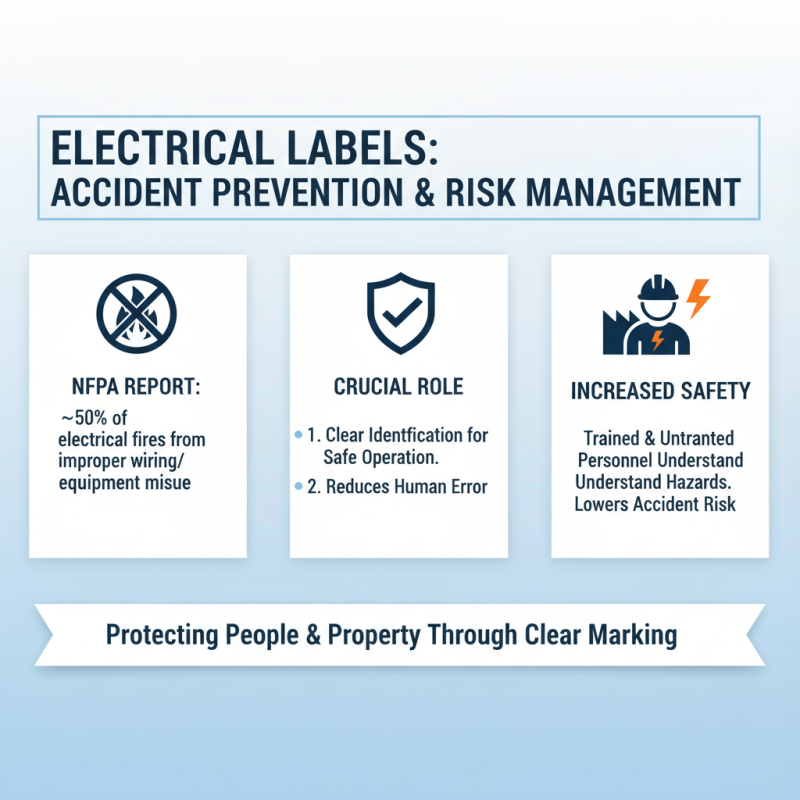
Electrical labels play a crucial role in accident prevention and risk management within the electrical industry. According to a report from the National Fire Protection Association (NFPA), nearly 50% of electrical fires result from improper wiring or equipment misuse. This statistic underscores the necessity of proper labeling, which provides clear identification of electrical components, facilitates safe operation, and reduces the likelihood of human error. By ensuring that circuits, panels, and equipment are clearly marked, electrical labels help both trained professionals and untrained personnel understand potential hazards, thus significantly lowering the risk of accidents.
Moreover, effective labeling is integral to compliance with safety standards such as the Occupational Safety and Health Administration (OSHA) regulations. A study conducted by the International Electrotechnical Commission (IEC) indicates that workplaces that implement systematic labeling practices report a 30% reduction in accidents related to electrical maintenance. Clear labels increase awareness around safety practices, encouraging workers to follow the necessary protocols when dealing with electrical systems. By strategically placing labels that outline safety precautions and emphasize dangers, organizations can not only protect their employees but also achieve operational compliance, thereby mitigating both legal risks and safety liabilities.
How Electrical Labels Facilitate Efficient Maintenance and Repairs
Electrical labels play a crucial role in facilitating efficient maintenance and repairs in any electrical system. By clearly identifying circuits, equipment, and wire connections, these labels allow technicians to quickly locate the components they need to work on. This not only saves time but also minimizes the risk of errors during maintenance tasks. When workers are able to easily read and understand the labeling, they can proceed confidently, ensuring both their safety and the integrity of the electrical system.
Tips for Effective Labeling:
- Use color-coded labels to differentiate between voltage levels and types of circuits. This visual aid enhances recognition and reduces confusion.
- Incorporate clear, concise descriptions for each label. Avoid jargon to ensure that all personnel, regardless of their experience level, can easily understand the information.
- Regularly inspect and update labels as needed.
Over time, labels may become faded or may no longer reflect the current state of the wiring, which can lead to dangerous misunderstandings during maintenance.
By maintaining a clear labeling system, organizations can streamline their repair processes, ultimately enhancing efficiency and safety within their electrical operations. This proactive approach to labeling not only supports immediate project goals but also contributes to long-term safety and compliance.
The Role of Electrical Labels in Enhancing Public Awareness and Training
Electrical labels play a crucial role in enhancing public awareness about safe wiring practices and compliance with safety standards. By clearly indicating voltage, current ratings, and safety warnings, these labels help individuals recognize potential hazards in electrical systems. This knowledge is particularly important for non-professionals who may encounter electrical equipment in their daily lives. By improving public understanding of electrical safety, labels contribute to a safer environment, reducing the risk of accidents and injuries caused by improper handling or misunderstandings of electrical components.
Moreover, electrical labels serve as a vital tool in training programs for electricians and other professionals in the field. They provide essential information that can be included in educational materials, reinforcing the importance of safety measures and regulatory compliance during hands-on training. By familiarizing trainees with accurate labeling practices, they are better equipped to identify risks and implement appropriate safety protocols in real-world situations. This not only enhances their competence but also fosters a culture of safety that can be disseminated throughout the community. Ultimately, effective training, supported by proper labeling, leads to more informed and responsible practices among both professionals and the public.