How to Choose the Best Printing Label Machine?

Choosing the right printing label machine begins with the label itself, not the machine brochure. A glossy food label, a chemical drum label, and a thermal logistics label demand different solutions. Substrate, adhesive, ink, roll width, print resolution, and finishing requirements all matter.

Industry data supports careful evaluation. Smithers’ 2024 study, The Future of Digital Print for Labels to 2029, reports continued demand for shorter runs, variable data, and faster version changes. FINAT’s European label market reports also highlight pressure from sustainability goals, material costs, and production efficiency. These trends make digital, flexographic, hybrid, and print-and-apply systems attractive in different situations. Growth alone does not identify the best choice.

Mike Fairley, founder of the Label Academy and a respected label-industry analyst, has often emphasized the importance of matching technology with the application. His practical view is clear: “There is no single process for every label requirement.” That idea should guide every purchase.

Before comparing models, measure your real workflow. Record average order length, daily output, material changes, color requirements, and acceptable waste. A machine rated at 60 meters per minute may perform poorly during frequent setup changes. Another model may print beautifully but create expensive downtime.

Look closely at operator experience, too. Can one person load a 330-millimeter roll safely? Is the touchscreen clear under factory lighting? Can inspection cameras detect missing text or barcodes? These details are easy to overlook.

No machine is perfect. I would still request production samples, not just showroom images. Speak with current users, examine service response times, and calculate total ownership costs. The best printing label machine is the one that delivers reliable labels, manageable waste, and consistent results for your actual work.
How to Choose the Best Printing Label Machine?

Understanding What a Printing Label Machine Does

How to Choose the Best Printing Label Machine?

Understanding What a Printing Label Machine Does

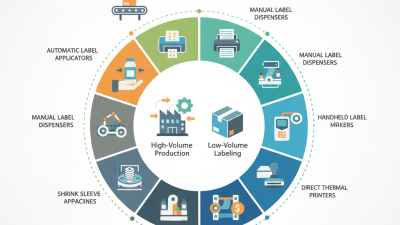
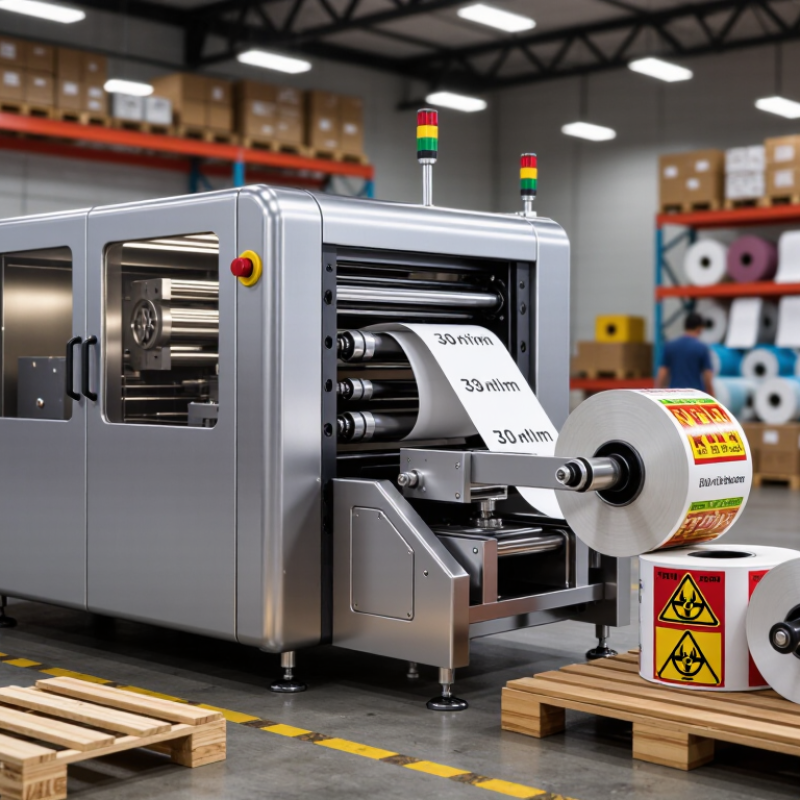
A printing label machine converts digital artwork and variable data into usable labels. It may unwind rolls, print text or images, cure ink, inspect output, and rewind finished material. Some systems also cut, peel, or apply labels directly. The correct configuration depends on substrate, adhesive, label size, and production volume. A machine built for paper labels may struggle with clear film or heat-sensitive stock.

Smithers’ 2024 analysis estimates the global printed labels market will grow from approximately 49 billion US dollars in 2023 to over 60 billion by 2028. That growth increases demand for short runs, version changes, and traceable data. Digital printing supports these needs without traditional plate preparation. It can reduce setup waste. However, speed is not everything. FINAT’s 2024 Radar reported a 2.7% decline in European self-adhesive label demand during 2023. This reminds buyers to match equipment with actual orders, not optimistic forecasts.

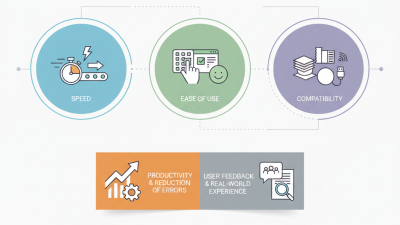
A practical evaluation should measure registration accuracy, drying performance, waste percentage, and changeover time. Ask operators to test real materials, including textured paper and transparent film. Inspect small text under normal lighting. It is easy to overlook this. A minor alignment error can make an attractive label look unprofessional. Software compatibility also matters, especially for barcodes and variable information. Even experienced teams sometimes overestimate automation benefits. Maintenance access, operator training, and ink availability can affect reliability more than a headline speed rating.

Identifying Your Label Materials, Sizes, and Production Needs

How to Choose the Best Printing Label Machine?

Identifying your label materials, sizes, and production needs should come before comparing machine features. Start with the substrate: paper, coated paper, film, foil, or textured stock. Each material behaves differently under heat, pressure, ink, and adhesive tension. Film may need controlled drying. Textured paper can expose weak coverage or uneven feeding. Measure label width, length, gap, roll diameter, and core size. Small details matter.

Production volume changes the decision. The Smithers report The Future of Global Printed Labels to 2028 identifies continued growth in digitally printed labels, driven partly by shorter runs and version changes. That trend supports flexible equipment for variable artwork. However, speed claims can mislead. Ask for tested output using your actual material, not a generic sample. Watch the first and last labels. Registration often changes during long runs.

I would also record daily waste, setup time, ink consumption, and operator adjustments. These numbers reveal the real cost. According to FINAT’s European label industry reports, converters continue facing pressure from energy, materials, and operational costs. A machine that runs quickly but creates frequent rejects may be the wrong choice. Keep a sample log. Review it honestly. I once underestimated liner curl, and the machine needed constant manual correction. That mistake changed the specification more than any brochure. Choose the format that matches current orders, while leaving practical room for growth.

Comparing Printing Technologies and Machine Features

How to Choose the Best Printing Label Machine?

Printing technology should match the label’s environment, not just its purchase price. Direct thermal printing is simple and ribbon-free. However, heat and sunlight can fade its labels over time. Thermal transfer printing uses a ribbon and usually provides stronger resistance to moisture, abrasion, and chemicals. It suits shipping, storage, and outdoor applications. Inkjet systems produce vivid color and smooth images, but their printheads need regular cleaning. Laser systems deliver sharp text and fine graphics, although compatible materials can be more limited.

Tips: Test your actual labels before buying. Check small text, barcodes, edges, and print contrast. Measure output speed during a realistic production run. A machine may claim high speed, yet slow down with dense graphics. Also inspect sensor accuracy, media width, resolution, cutter quality, and software compatibility. Wi-Fi is convenient, but a stable wired connection may be safer in busy facilities. Easy maintenance matters more than many buyers expect.

Consider the full workflow. Look for adjustable guides, automatic calibration, clear error messages, and accessible replacement parts. Rewinding and stacking features can reduce manual handling. Ask whether operators can load a roll without tools. That small detail saves time every day. I have seen accurate machines underperform because staff received little training. A short setup guide and dependable technical support can prevent repeated waste. My own judgment would remain cautious: the most advanced machine is not always the most practical choice. Performance should be proven with your materials, artwork, and daily workload.

Evaluating Print Quality, Speed, Costs, and Maintenance

Choosing the best printing label machine starts with print quality. Inspect small text, barcodes, logos, and fine lines at the actual production size. A sharp sample should remain readable after handling, bending, and storage. Ask for test prints using your preferred label material. This step reveals problems that showroom samples often hide.

Speed matters, but maximum speed can be misleading. Measure usable output, not the number shown in a specification sheet. Count labels printed per minute during a normal shift, including loading, calibration, and brief pauses. In my experience, a steady machine often outperforms a faster model that requires frequent adjustments. Test a batch of several hundred labels. Watch for alignment drift, faded sections, or repeated paper jams.

Calculate costs beyond the purchase price. Include ink, thermal components, label stock, electricity, software, and expected service time. A cheaper machine may create higher labor costs when operators clean it repeatedly. Maintenance should be simple and documented. Check access to printheads, rollers, sensors, and replacement parts. No machine is perfect. I once overlooked cleaning time, and the daily estimate was too optimistic. Reliable support, clear maintenance records, and a realistic warranty can protect production continuity. Ask technicians how often routine cleaning is required, then compare that answer with your workload.

Selecting the Best Machine for Your Application and Budget

How to Choose the Best Printing Label Machine?

Selecting the Best Machine for Your Application and Budget

The best printing label machine should match your daily workflow, not just your planned output. Start with label size, material, adhesive type, and required print resolution. A machine handling small product labels may struggle with wide rolls or textured surfaces. Check its maximum roll diameter, printing speed, and sensor accuracy. These details affect production more than attractive specifications.

Your budget should include more than the purchase price. Calculate label waste, ink or ribbon use, maintenance, software, and operator training. A lower-cost machine may require frequent adjustments. That can quietly increase labor expenses. Request sample printing with your actual label stock. Inspect tiny text, barcodes, edges, and color consistency under normal lighting. A short test often reveals problems that a sales sheet misses.

Tips: Compare the total cost over three years. Keep a small reserve for spare parts. Choose simple controls when several operators will use the machine. Ask about cleaning routines and technical support before ordering. Avoid selecting maximum speed unless your materials can run reliably at that pace. In practical evaluations, stable output usually matters more than impressive peak performance. It is easy to overestimate future demand. Recheck your forecast after a trial run, because buying excessive capacity can strain a limited budget.

How to Choose the Best Printing Label Machine?

Compare typical print-speed ranges to match the machine with your application, production volume, and budget. Lower-cost desktop systems suit short runs, while industrial, inkjet, and toner systems are better for higher-volume or color production.

Selection guide: Choose desktop thermal printing for low-volume, mainly monochrome labels; industrial thermal-transfer printing for durable, continuous production; color inkjet for flexible short-run color work; and digital toner for premium color quality and variable-data applications. Actual speed depends on label size, print resolution, media, and finishing requirements.