2026 How to Produce Labels for Your Business Efficiently?
In today’s fast-paced market, businesses are constantly looking to enhance their efficiency. One crucial aspect is the ability to produce labels effectively. According to a recent industry report, 45% of businesses struggle with label production, leading to wasted resources and time. The demand for streamlined label processes is growing.
Efficient label production not only improves clarity but also boosts brand recognition. In fact, studies show that well-designed labels can increase sales by 20%. Companies often overlook how labeling affects inventory and shipping times, creating delays that can cost money. Manufacturers need to rethink their approach and adopt innovative technologies for better outcomes.
Reflecting on label production practices reveals many areas for improvement. For example, integrating automated systems can cut production time significantly. However, businesses should also be mindful of the environmental impact of their materials. Balancing efficiency with sustainability is essential in today’s eco-conscious market. Transforming the way we produce labels is not just a trend; it’s a necessity for growth and sustainability in the industry.
Understanding the Importance of Labels in Business Operations
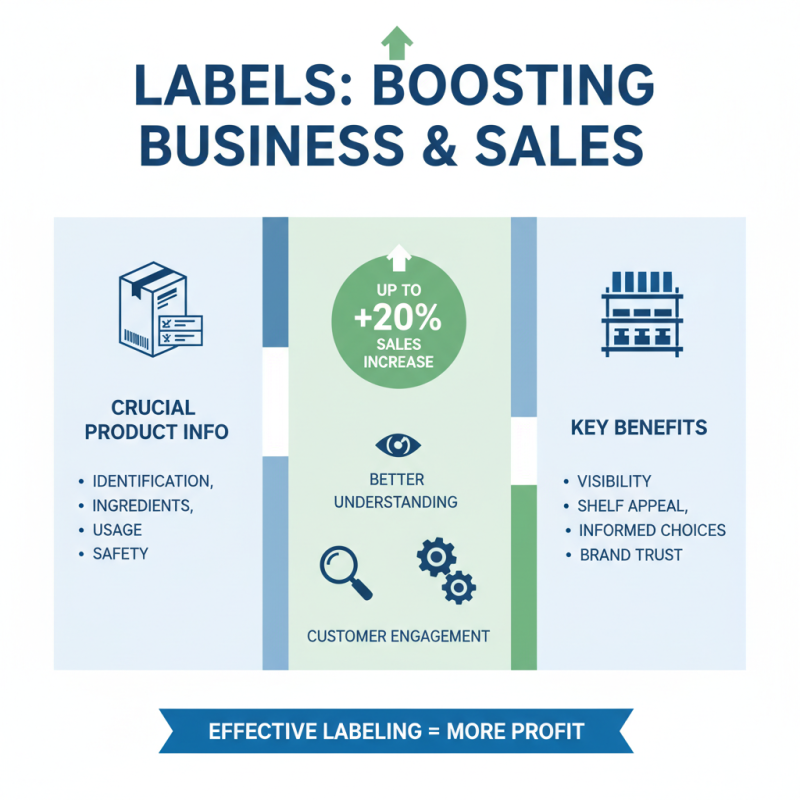
Labels play a vital role in business operations. They offer crucial information about products. According to data from industry reports, effective labeling can boost sales by up to 20%. This increase stems from better customer understanding and engagement. Clear labels enhance product visibility on shelves. They guide consumer choices.
In many industries, labels carry essential information. Ingredients, usage instructions, and safety warnings are common examples. Misleading or unclear labels can lead to distrust. A study found that 30% of consumers will avoid products with unclear labeling. Businesses must reflect on their labeling strategies. Compliance with regulations is another key factor. Over 50% of companies faced penalties due to labeling errors in recent years.
Label production should be approached with thoughtfulness. It’s not just about printing; it’s about communication. Each label should tell a story about the brand and its values. Quality and compliance are crucial for building consumer trust. Regular audits to reassess labels can help avoid costly mistakes.
Choosing the Right Labeling Technology for Your Needs
When it comes to choosing the right labeling technology, businesses face various challenges. The options are vast, ranging from traditional printing methods to advanced digital solutions. According to a 2023 report by the Label Industry Global Statistics, the digital label market is expected to grow by 11% annually. This growth indicates that many businesses are prioritizing efficiency and flexibility in their labeling processes.
Every labeling technology has unique advantages and limitations. For example, thermal transfer printers offer high-quality prints but may have higher operational costs. In contrast, inkjet printers are versatile and cost-effective. A study by Packaging Strategies revealed that 40% of companies still struggle to find a balance between quality and cost in labeling. They often sacrifice one for the other without understanding the long-term implications. This can lead to reprints and customer dissatisfaction.
Businesses must analyze their specific needs closely. The ideal labeling solution should cater to production scale, label design, and material requirements. Some companies may overlook the importance of scalability. They might invest in a system suitable for their current needs but find it inadequate as they grow. It’s crucial to foresee future demands when selecting labeling technology. This reflection can save time, money, and potential headaches down the line.
Designing Labels that Stand Out: Key Considerations
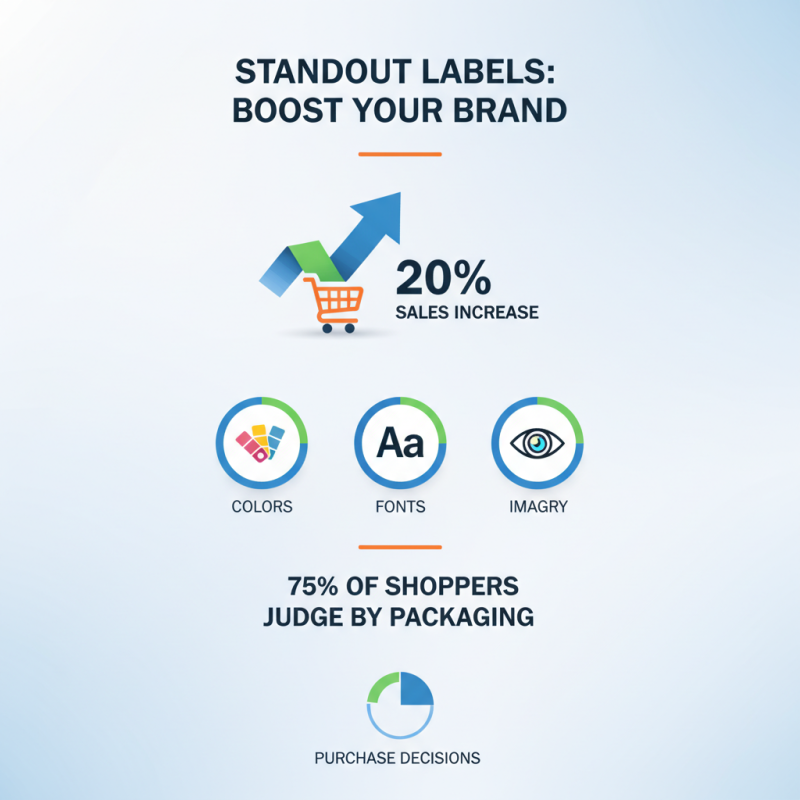
Designing labels that stand out is crucial for any business. A well-crafted label can increase brand recognition, leading to a 20% boost in sales, according to recent industry reports. Colors, fonts, and imagery can significantly impact customer perceptions. Most consumers make snap judgments based on packaging. For example, 75% of shoppers believe that packaging design influences their purchase decisions.
Creating visually appealing labels involves more than just aesthetic choices. It requires understanding your target audience. Research shows that 90% of information transmitted to the brain is visual. Labels should convey your brand message clearly. If they are cluttered or confusing, you risk losing consumer interest. Simple designs sometimes outperform intricate ones. Reflecting on this can lead to more effective choices.
Another important factor is the material used for labels. Durable materials can withstand wear and tear, while eco-friendly options cater to environmentally conscious consumers. However, balancing quality and cost is challenging. A report noted that 58% of businesses often struggle with this aspect. Experimenting with different materials might lead to unexpected costs or delays. It's essential to remain adaptable and open to refining your approach based on feedback and sales performance.
Streamlining the Label Production Process for Efficiency
Efficient label production is crucial for many businesses. A streamlined process can save time and reduce costs. It's important to evaluate each step carefully. Analyze the existing workflow. Identify bottlenecks that slow down the production. Maybe you still rely on manual methods. Automation might help eliminate tedious tasks.
Investing in the right tools can improve consistency and quality. High-quality printers and software can make a big difference. However, it's not just about hardware. Training staff is essential. Team members should know how to utilize new technologies effectively. Sometimes, old habits die hard. Resistance to change can hinder progress.
Regularly reviewing the labeling process keeps efficiency in check. Gather feedback from your team about current challenges. You might overlook small issues that create big headaches. Continuous improvement should be the goal. Adjustments will be needed as your business grows. Adaptability is key in a changing market.
2026 How to Produce Labels for Your Business Efficiently? - Streamlining the Label Production Process for Efficiency
| Label Type |
Material |
Production Time (days) |
Cost per 1000 Labels ($) |
Recommended Printer |
| Product Label |
BOPP |
5 |
300 |
Digital Printer A |
| Shipping Label |
Paper |
3 |
150 |
Thermal Printer B |
| Wine Label |
Vinyl |
7 |
500 |
Inkjet Printer C |
| Cosmetic Label |
Paper |
4 |
320 |
Digital Printer D |
| Food Label |
BOPP |
6 |
250 |
Label Printer E |
Implementing Quality Control Measures for Label Accuracy
Quality control is essential in label production. It ensures that every label accurately reflects the product information. Reports show that 62% of consumers rely on labeling when making purchasing decisions. Missing or incorrect labels can lead to costly mistakes. The average cost of a label error can range from $5,000 to $15,000 when factoring in recalls and customer dissatisfaction.
One effective measure is to implement regular audits. This helps to identify errors early in the process. Consider using digital tools for real-time feedback on label design and printing. They can improve accuracy.
Tips: Train your team on label standards. Ensure they understand the importance of accuracy. Also, develop a checklist for each batch. This can significantly reduce oversight. Tracking changes during production can further enhance quality control. Adjust these processes as you learn from mistakes. Labels are a final touch but play a crucial role in product perception.
Label Production Efficiency and Quality Control Measures