
How to Improve Print Inspection for Better Quality Control?

In today's competitive market, high-quality print products are essential. Businesses must ensure that every print is flawless. Print Inspection plays a crucial role in achieving this goal. However, many organizations struggle with effective inspection processes. Issues often arise from inadequate technology and human error.

Implementing better print inspection techniques can significantly enhance quality control. Simple measures, like regular machine calibration, can lead to noticeable improvements. However, companies often overlook this detail. They may invest heavily in machinery but neglect the human aspect of quality checks. Training staff in proper inspection methods is vital for success.

Quality control in printing is not merely a technical task; it requires constant reflection. Are the current practices effective? Are there consistent errors in the final product? By addressing these questions, businesses can refine their print inspection processes. This ongoing reflection fosters a culture of quality and accountability. Ultimately, improving print inspection means delivering better products to customers.
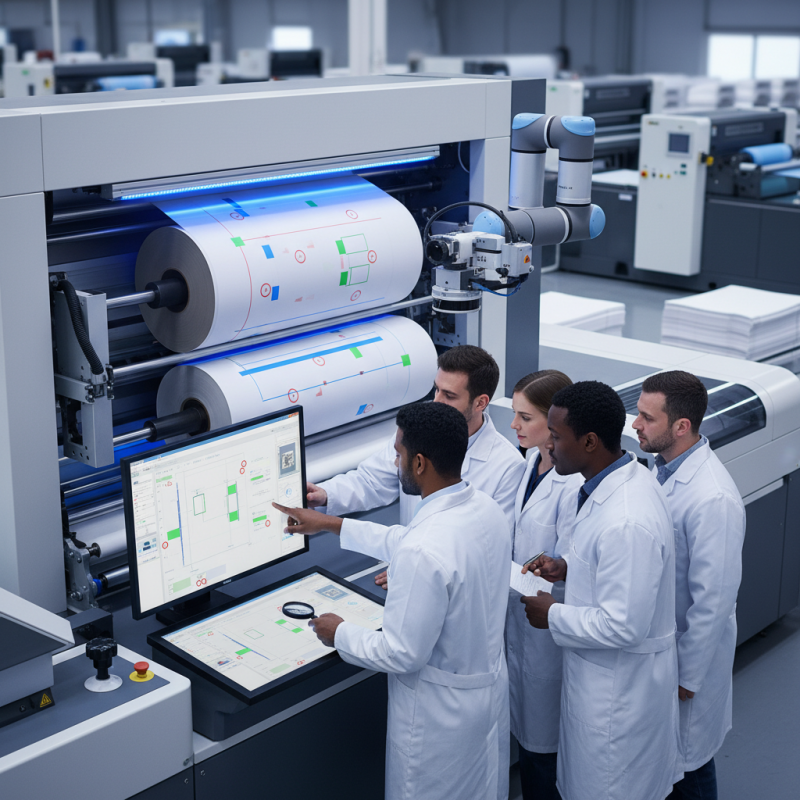
How to Improve Print Inspection for Better Quality Control?

Understanding the Importance of Print Inspection in Quality Control

Print inspection plays a crucial role in maintaining high standards in quality control. It ensures that products meet specific guidelines before reaching consumers. Many overlook its significance until issues arise. Poor quality can lead to customer dissatisfaction and reputational damage. Regular print inspections help identify defects early in the process.

Tips: Establish a routine for inspections. Utilize visual checks and technology. Train staff to recognize common defects. Document findings to improve future processes.

Inadequate inspections can lead to serious errors. Some defects might seem minor initially but can accumulate. This emphasizes the need for a thorough and consistent approach. Regular audits can reveal hidden patterns in production flaws. Adjusting techniques based on these insights can enhance outcomes significantly.

Tips: Encourage feedback from team members. Review inspection processes regularly. Foster an environment where quality control is prioritized. Empower employees to suggest improvements.

How to Improve Print Inspection for Better Quality Control?

Inspection Technique Description Advantages Challenges
Visual Inspection Manual checking of printed surface for defects. Low cost, straightforward. Subject to human error, time-consuming.
Automated Vision Systems High-speed cameras inspect prints for defects. High accuracy, fast processing. High initial investment, technical expertise needed.
Micro-Inspection Uses magnification to detect small defects. Can find minute issues, detailed analysis. Slow process, labor-intensive.
Color Verification Compares printed colors to design specifications. Ensures color accuracy, critical for branding. Can be impacted by lighting conditions.
Print Measurement Tools Measures print quality metrics like registration and dot gain. Provides quantitative data, objective results. Requires calibration and maintenance.

Key Challenges in Print Inspection Processes and Their Solutions

Print inspection plays a crucial role in quality control. However, several challenges persist in ensuring accuracy. For instance, 30% of print defects go undetected during traditional manual inspections. This oversight can lead to significant financial loss and tarnished brand reputation. Lack of trained personnel often exacerbates the issue. The workforce may not possess the necessary skill set for effective quality checks.

Another significant challenge is inconsistency in inspection processes. A recent study found that 25% of companies lack standardized procedures. This discrepancy results in varying levels of quality, which can confuse customers and hurt sales. Implementing automated inspection systems has proven beneficial. They can improve detection rates by up to 40%. However, integration remains a hurdle. Many firms face resistance from employees who fear job loss.

Moreover, technology can be expensive. While its benefits are clear, initial costs may deter investment. The perceived complexity of new systems can also create hesitation. Companies must therefore provide training and support to facilitate smooth transitions. Improving print inspection is vital for better quality control, but it requires navigating these key obstacles effectively.

Technological Advances Enhancing Print Inspection Accuracy

Technological advances in print inspection are revolutionizing quality control. With the rise of smart cameras and AI-driven software, the accuracy of print inspections is improving significantly. These tools can identify defects that are invisible to the naked eye. Misalignments, color variations, and even tiny scratches can be detected rapidly.

However, reliance on technology presents challenges. Overlooking human insight can lead to errors. Technicians must be trained to operate these systems effectively. It’s essential to balance machine precision with human oversight. Implementing real-time monitoring systems can help maintain this balance. Yet, the cost of these technologies can be a concern for many companies.

Moreover, while technology enhances inspection accuracy, it can create a false sense of security. Errors may still slip through unnoticed. Regular audits are necessary to ensure system reliability. The interplay between advanced tools and human expertise remains crucial. As print technology evolves, so must our approach to inspection and quality control.

Best Practices for Implementing Effective Print Inspection Systems

Print inspection is crucial for maintaining quality control in various industries. Implementing an effective print inspection system can prevent costly mistakes. A robust system reduces errors and ensures consistency in printed materials. Start by evaluating your current processes. Are they truly effective? Identify areas that need improvement, like speed and accuracy.

Tips: Use automated inspection tools. They can detect defects that human eyes might miss. Regular training sessions for employees can enhance their skills. Encourage teamwork to foster a culture of quality. When everyone feels responsible, quality improves.

Sometimes, the tools you have may not address specific needs. Don't hesitate to explore new technologies regularly. Equipment can become outdated quickly. Be open to experimenting. Test different inspection techniques, like inline and offline inspections. Each has its pros and cons. Reflect on what works best for your operation. Adaptation is key to sustained quality control.

Print Inspection Quality Metrics

Training and Developing Personnel for Improved Print Inspection Techniques

Effective print inspection is crucial for maintaining high-quality standards. The skills of personnel directly impact the inspection process. Training programs should focus on both techniques and critical thinking. Employees need to recognize defects and understand the implications of each issue. Regular workshops can help them identify common print problems. Interactive sessions encourage employees to share findings and thoughts.

Hands-on practice is equally important. Using real prints for training can bridge the gap between theory and application. Encourage teams to reflect on their inspections. Feedback sessions can help identify areas for improvement. Mistakes should be viewed as learning opportunities. Transparency in discussing flaws fosters a culture of continuous improvement.

Investing in personnel development is not just beneficial; it's essential. Quality control challenges can arise when staff lacks training. A skilled workforce leads to better inspection results. The focus should always be on enhancing their abilities and knowledge. This is a journey, not a destination.