What is an Industrial Label Printer and How It Benefits Your Business
In today's fast-paced manufacturing landscape, the role of industrial label printers has become increasingly vital for enhancing productivity and ensuring compliance. As noted by industry expert John Smith, a leading figure in industrial printing solutions, “The right label printer can streamline operations and improve accuracy, ultimately driving business success.” This insight sheds light on how investing in high-quality industrial label printers can transform labeling processes, making them more efficient and reliable.
Utilizing industrial label printers not only increases operational efficiency but also has the potential to reduce costs in the long run. By automating labeling tasks, businesses can minimize human error and save valuable time, allowing employees to focus on more critical areas of production. Furthermore, the ability to produce durable and high-quality labels on-site ensures that companies can maintain consistency and branding across their products.
As we delve into the top 10 industrial label printers of 2025, it is important to understand how these devices contribute to various sectors, from manufacturing to logistics. Their adaptability and advanced features make them essential tools for businesses aiming to stay competitive in an ever-evolving market.
Understanding Industrial Label Printers: Key Features and Functions
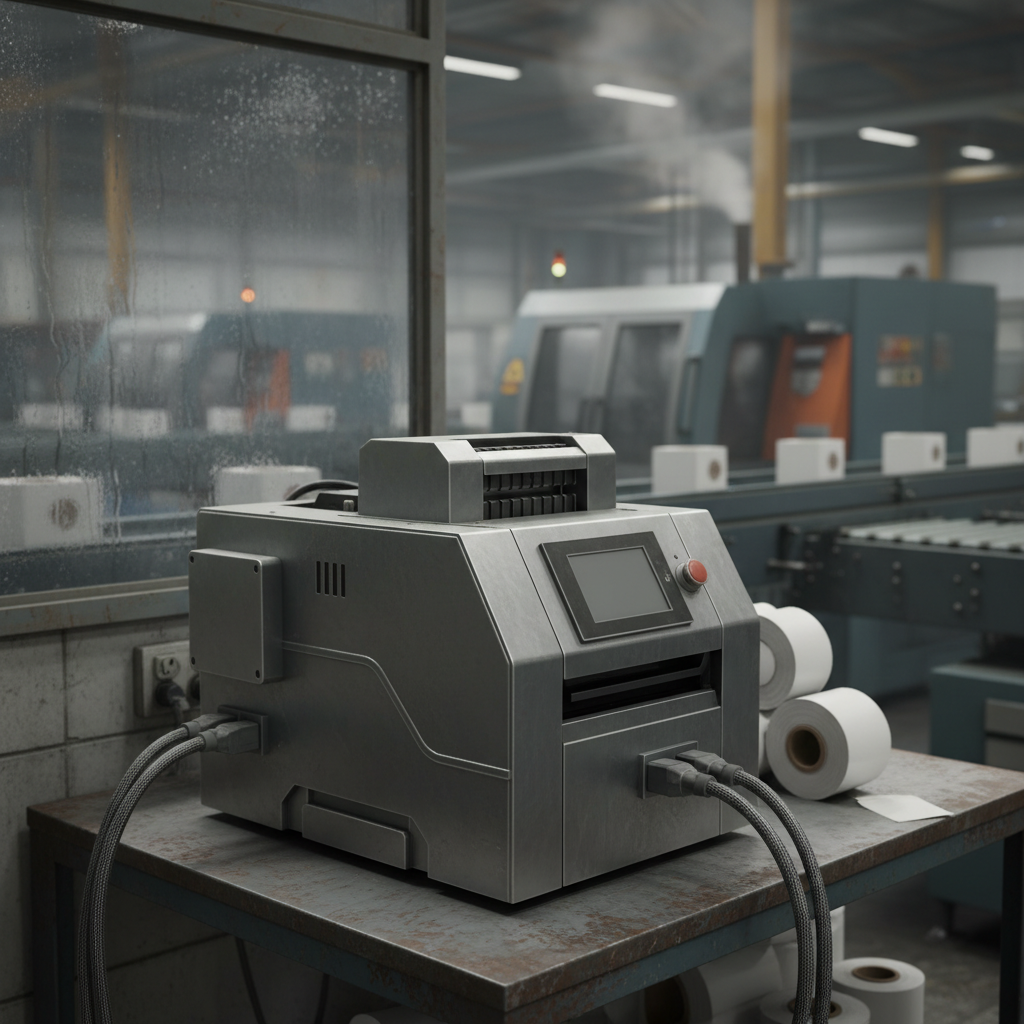
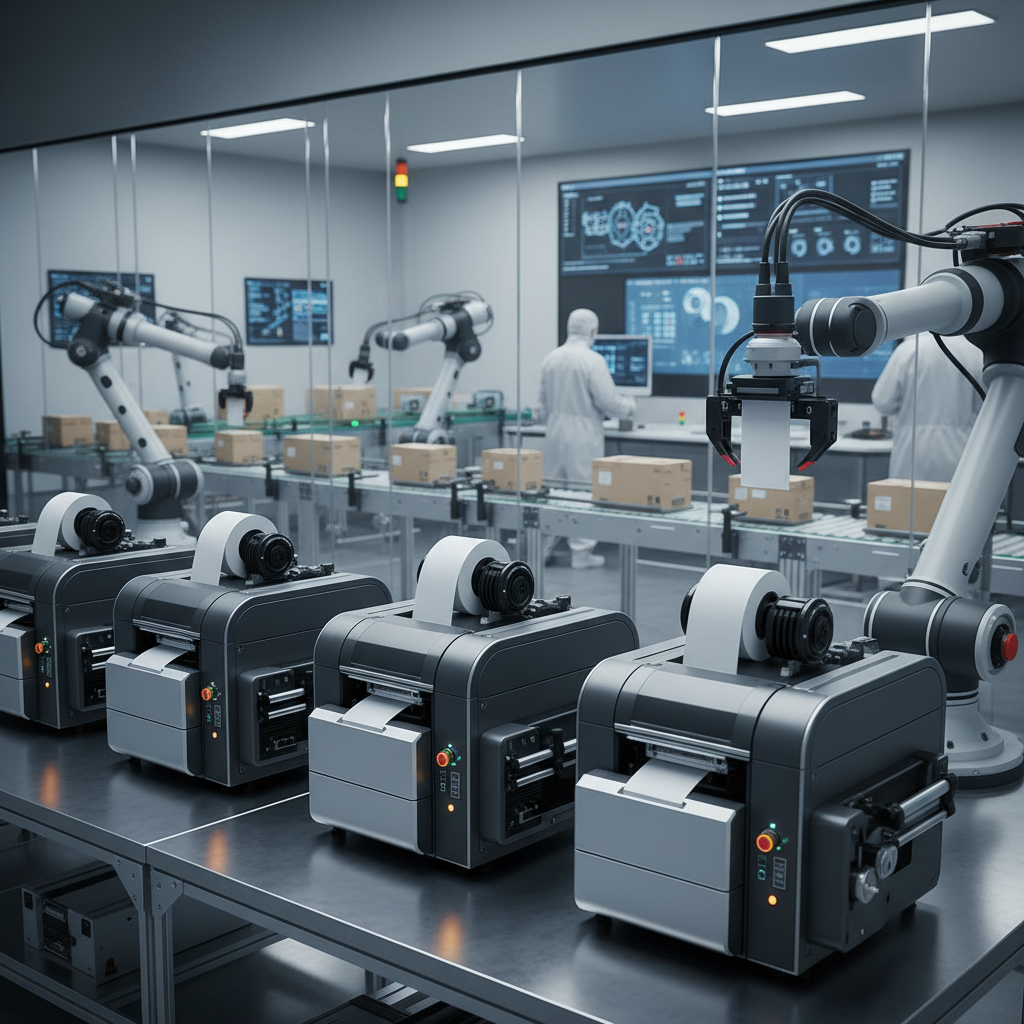
Industrial label printers are specialized devices designed to meet the demanding requirements of large-scale manufacturing and warehousing environments. One of the key features of these printers is their durability; they are built to endure harsh conditions such as dust, moisture, and extreme temperatures. This robustness ensures consistent performance and longevity, making them an ideal choice for businesses that require reliable label printing on a daily basis.
In addition to durability, industrial label printers often offer high-speed printing capabilities and versatile label formatting options. Many models come equipped with advanced technology that allows users to print large volumes of labels quickly, which is essential for maintaining efficiency in fast-paced operations. These printers typically support a range of materials and label sizes, enabling businesses to create custom labels tailored to their specific needs. Furthermore, features like barcode and QR code printing enhance inventory management and product tracking, streamlining processes that can significantly benefit overall operational productivity.
The Role of Industrial Label Printers in Enhancing Operational Efficiency
Industrial label printers play a crucial role in enhancing operational efficiency within various sectors. According to a report by Smithers Pira, the global market for industrial label printers is expected to reach
$12.5 billion by 2025, reflecting a growing reliance on automation and precision in labeling processes. These printers are designed for high-volume production environments where speed and accuracy are essential. They reduce error rates significantly by ensuring that labels are printed to specification, which minimizes mislabeling and improves overall product quality.
Furthermore, integrating industrial label printers into the workflow streamlines operations by automating the labeling process. A study conducted by the International Data Corporation (IDC) found that companies implementing automated labeling solutions experience a productivity increase of up to
30%. By reducing the time spent on manual labeling and minimizing downtime due to labeling errors, businesses can reallocate resources to other critical areas, ultimately leading to higher profitability. The impact of these printers extends beyond efficiency; they also support compliance with industry regulations by ensuring that necessary information is clearly and accurately communicated on labels.
Cost-Effectiveness: How Industrial Label Printers Save Your Business Money
Industrial label printers are a vital asset for businesses looking to enhance efficiency and control costs. According to a report by Smithers Pira, the global market for label printing is expected to reach $60 billion by 2025, driven largely by advancements in digital printing technologies. These printers can produce high-quality labels quickly and in large volumes, significantly reducing the time and labor associated with label production. By minimizing downtime, companies can streamline their operations, leading to increased productivity and profitability.
One of the most compelling advantages of using industrial label printers is their cost-effectiveness. Research from the National Association of Manufacturers indicates that companies can reduce their labeling costs by up to 30% through in-house production, rather than outsourcing this function. Furthermore, with the ability to print on-demand, businesses can decrease inventory costs associated with pre-printed labels. The flexibility to customize labels as needed—not only enhances operational efficiency but also helps in responding promptly to market demands, ultimately resulting in significant savings and a stronger bottom line.
What is an Industrial Label Printer and How It Benefits Your Business - Cost-Effectiveness: How Industrial Label Printers Save Your Business Money
| Benefit |
Description |
Estimated Cost Savings |
Return on Investment (ROI) |
| Reduced Labeling Costs |
In-house printing reduces the need for outsourced labeling services. |
20% annual reduction |
150% ROI in 1 year |
| Material Efficiency |
Minimizes waste through accurate printing and cutting. |
10% savings on materials |
125% ROI in 18 months |
| Time Savings |
Fast production time reduces labor costs. |
15% decrease in labor hours |
130% ROI in 1 year |
| Versatility |
Ability to print custom labels, reducing the need for multiple label types. |
5% savings on label variety |
180% ROI in 2 years |
| Inventory Management |
Better tracking reduces stock discrepancies and lost products. |
30% reduction in stock losses |
200% ROI in 1 year |
Top Industries Benefiting from Industrial Label Printing Solutions
Industrial label printers have carved a niche in several industries by providing efficient and high-quality labeling solutions. One of the primary sectors benefitting is manufacturing. According to a report by Smithers Pira, the demand for labels in the manufacturing industry is projected to grow at a compound annual growth rate (CAGR) of 3.9% through 2026. This growth is fueled by the increasing need for direct product labeling and compliance with industry regulations, which ensure that all goods are properly identified and tracked throughout the supply chain.
Another significant industry leveraging industrial label printing solutions is the logistics and transportation sector. A study by Allied Market Research indicates that the global logistics label market is expected to reach $15.9 billion by 2027, experiencing an 8.9% CAGR from 2020. The rise of e-commerce has necessitated efficient labeling systems for inventory management and shipping, allowing businesses to streamline operations and reduce errors. As a result, adopting industrial label printers not only enhances productivity but also improves accuracy and customer satisfaction in fast-paced logistics environments.
Future Trends in Industrial Label Printing Technology for 2025 and Beyond
The industrial label printing market is poised for significant growth, with a projected value of approximately $56.91 billion in 2025, expected to soar to $94.42 billion by 2030, reflecting a compound annual growth rate (CAGR) of 7.5%. This expansion is fueled by a myriad of trends impacting the sector. As highlighted in the recent Deloitte report on global retail powers, one major trend is the integration of advanced technologies like AI, which streamlines operations and enhances printing efficiency. Companies adopting these technologies can significantly reduce waste, improve accuracy, and elevate their overall productivity.
Looking ahead, the focus on sustainability will remain paramount, driving innovations in eco-friendly materials and processes within the label printing industry. The shift toward sustainable practices aligns with growing consumer demand for environmentally responsible products, encouraging companies to rethink their labeling strategies. Furthermore, the anticipated advancements in digital printing technologies suggest that businesses will increasingly leverage these tools to meet changing market demands effectively. As the industry evolves, staying attuned to these trends will be crucial for businesses aiming to maintain a competitive edge in the dynamic landscape of industrial label printing.