Why Label Producers Are Essential for Streamlining Your Business Operations
In today's fast-paced business environment, the efficiency of operational processes can significantly influence a company's success. One of the often-overlooked components in this equation is the role of label producers. According to a report by Smithers Pira, the global label market is expected to grow to $50 billion by 2024, reflecting a rising demand for high-quality labeling solutions. As a fundamental part of branding and product identification, label producers not only enhance the aesthetic appeal of products but also ensure compliance with regulatory standards, ultimately streamlining business operations.
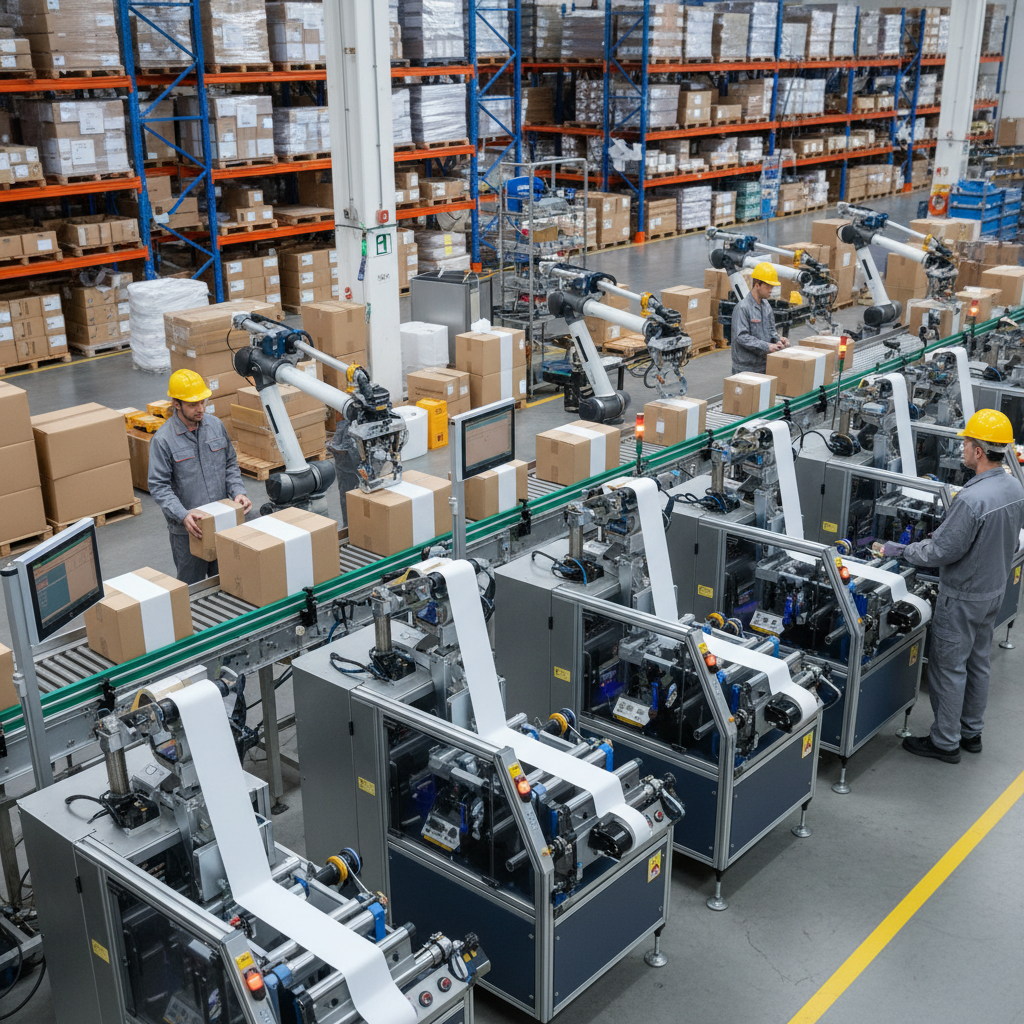
The importance of label producers extends beyond mere aesthetics; they are critical in optimizing supply chain management. A study by the Pressure Sensitive Tape Council indicates that effective labeling can reduce inventory errors by over 30%, demonstrating how accurate and well-designed labels can facilitate smoother logistics and improve overall productivity. In an era where consumers are increasingly discerning, label producers are essential for delivering products that meet market expectations while enabling businesses to maintain a competitive edge. By recognizing the value of label producers, companies can harness their expertise to enhance operational efficiency and drive growth.
The Role of Label Producers in Enhancing Workflow Efficiency
Label producers play a vital role in enhancing workflow efficiency by providing businesses with high-quality labeling solutions that streamline various operations. By outsourcing label production, companies can focus on their core activities while ensuring that products are correctly and attractively labeled. This not only helps in maintaining compliance with industry regulations but also enhances brand visibility, ultimately leading to increased customer engagement.
To maximize efficiency, businesses should consider the following tips when working with label producers. First, clearly communicate your requirements, including label design, materials, and quantities. This ensures that the producers can deliver products that meet your expectations. Second, establish a timeline for production and delivery to keep your project on track. Finally, conduct regular reviews of the labels' performance in the field, which can provide valuable insights for future label designs and improvements.
Utilizing the expertise of label producers allows businesses to reduce their workload while improving the quality and effectiveness of their labeling processes. By embracing this collaboration, companies can enhance their operational workflows and increase overall productivity.
Why Label Producers Are Essential for Streamlining Your Business Operations
| Label Type |
Key Benefits |
Recommended Uses |
Average Production Time (Days) |
| Custom Stickers |
Versatile, cost-effective marketing tool |
Promotional events, giveaways, product labels |
5-7 |
| Product Labels |
Enhances brand visibility, ensures compliance |
Food packaging, cosmetics, pharmaceuticals |
7-10 |
| Shipping Labels |
Streamlines logistics, reduces errors |
E-commerce, direct mail, warehouse management |
2-3 |
| Industrial Labels |
Durable, withstands harsh environments |
Manufacturing, chemicals, equipment identification |
10-14 |
| Barcode Labels |
Facilitates inventory tracking, improves accuracy |
Retail, inventory management, logistics |
3-5 |
Key Benefits of Custom Labels for Business Operations
Custom labels play a vital role in enhancing business operations by providing clarity and cohesion in branding and communication. They allow companies to distinguish their products from competitors while maintaining a professional appearance. A well-designed custom label not only captures the attention of potential customers but also conveys important information, such as ingredients, usage instructions, and safety warnings. This enhances customer experience and fosters trust in the product, which is essential for building long-term brand loyalty.
Moreover, custom labels streamline operational processes by improving inventory management and organization. Utilizing labels that are tailored to specific products or categories allows for quicker identification and retrieval, reducing the time employees spend searching for items. Additionally, labels can be utilized in tracking shipments and assets within the supply chain, increasing efficiency and reducing errors. By investing in custom labels, businesses can simplify logistics, ensure compliance with regulations, and ultimately boost productivity across all facets of their operations.
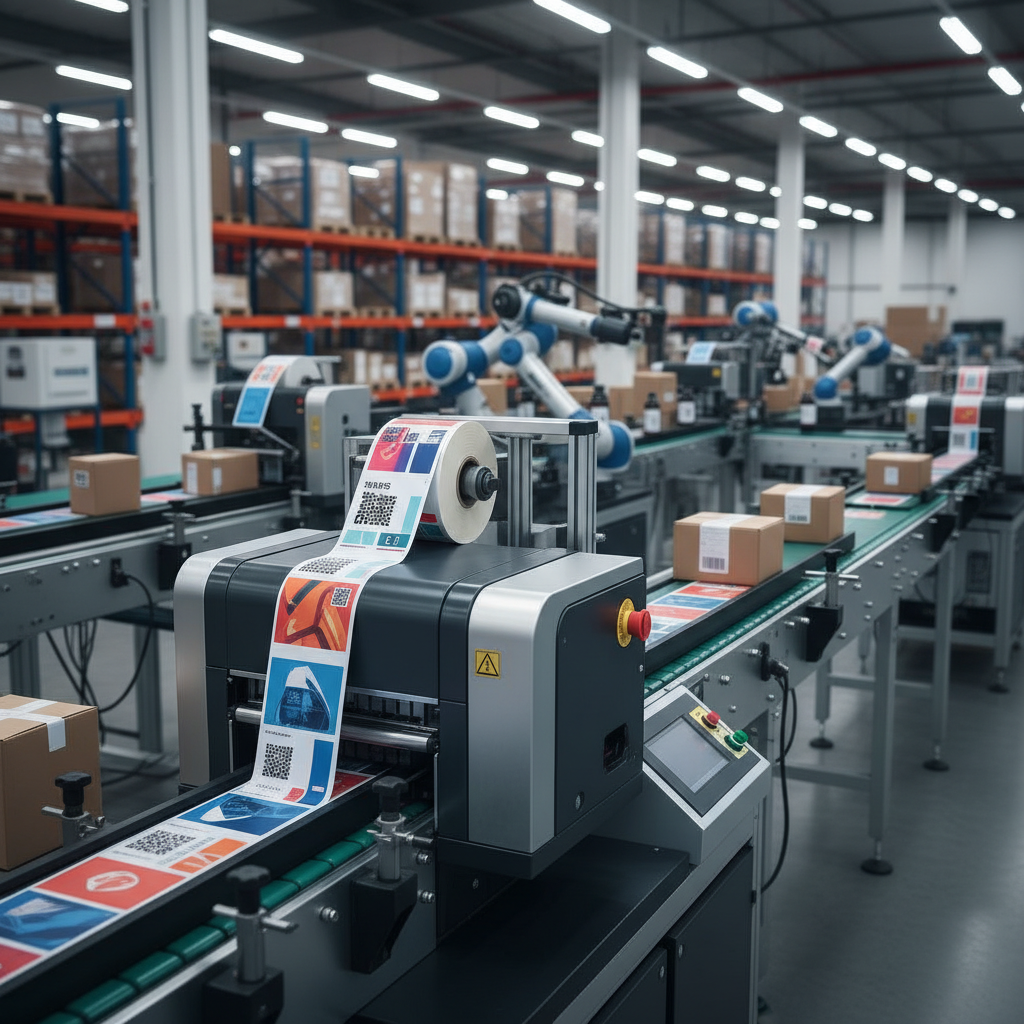
Streamlining Inventory Management with Effective Labeling Solutions
Effective inventory management is crucial for any business aiming to improve operational efficiency and reduce costs. One of the key components of efficient inventory management is the implementation of robust labeling solutions. According to a report by Research and Markets, the global barcode labeling market is expected to reach $53.9 billion by 2025, reflecting the growing need for precise inventory tracking. Labels not only facilitate quick identification of products but also minimize errors associated with manual entry, which can lead to significant financial losses.
Moreover, effective labeling solutions can drastically reduce the time employees spend locating items within warehouses. A study by the Warehousing Education and Research Council (WERC) shows that companies can improve their picking accuracy by up to 99.9% when adopting automated labeling systems. This accuracy translates into enhanced customer satisfaction and reduced returns, leading to a smoother operation overall. By investing in high-quality labels and automated labeling processes, businesses can streamline their inventory management systems, ultimately promoting growth and competitiveness in today's fast-paced market environment.
The Impact of Quality Labels on Brand Perception and Customer Experience
Quality labels play a pivotal role in shaping brand perception and enhancing customer experience. When consumers encounter a product with high-quality labeling, it not only communicates professionalism but also reflects the attention to detail and commitment to quality that the brand upholds. This initial impression can be crucial, as it often influences purchasing decisions. A well-designed label can articulate a brand's values, such as sustainability or innovation, allowing customers to connect emotionally with the product.
Moreover, effective labeling can significantly improve the customer experience by providing clear information about the product. Labels that are thoughtfully crafted—featuring intuitive designs, legible text, and relevant details—help customers make informed choices, fostering trust and loyalty. In an age where consumers are bombarded with choices, quality labels stand out as a beacon of reliability, guiding customers towards products that meet their needs while reinforcing positive perceptions of the brand. Ultimately, the impact of quality labels extends beyond aesthetics; they are integral to building a strong rapport between brands and their customers.
Innovative Labeling Technologies Driving Operational Improvements
Innovative labeling technologies are revolutionizing the way businesses streamline their operations. Advanced solutions like
digital label printers and integrated labeling software allow companies to produce high-quality labels on demand, reducing the time and costs associated with traditional printing methods.
This efficiency not only enhances productivity but also minimizes waste, enabling businesses to respond quickly to market changes and customer demands.
Moreover, automated labeling systems are significantly improving accuracy and consistency across production lines.
By utilizing smart technology that can adapt to various product specifications, businesses can ensure that every label is printed correctly, thus reducing human errors and enhancing product traceability.
This level of precision is crucial in industries such as food and pharmaceuticals, where regulatory compliance hinges on accurate labeling.
As a result, innovative labeling technologies not only streamline operations but also contribute to overall business growth and reliability in a competitive market.