Why Labels and Labeling Are Essential for Product Success and Consumer Trust
In today's competitive marketplace, the importance of labels and labeling cannot be overstated. As noted by industry expert Dr. Jane Thompson, a leading authority in product packaging and consumer communication, "Labels are the first point of interaction between a brand and its consumer, making them indispensable for building trust and guiding purchasing decisions." This insight highlights the critical role that effective labels play in ensuring product success.
Labels and labeling are not only vital for compliance with regulatory standards but also serve as essential tools for conveying information about product features, benefits, and usage instructions. They help consumers make informed choices, fostering a sense of transparency and accountability. As the marketplace continues to expand and diversify, the significance of clear and appealing labels has become increasingly apparent, making them a cornerstone of effective marketing strategy.
Moreover, well-designed labels can enhance brand identity and differentiation in a crowded market. By integrating clear messaging with attractive design elements, brands can effectively communicate their values and engage consumers on a deeper level. In this context, the synergy between labels and consumer trust emerges as a crucial factor for long-term success. As we delve deeper into this topic, we will explore how labels and labeling contribute to both product integrity and consumer satisfaction, ultimately driving success in today's dynamic retail environment.

The Importance of Labels in Product Identification and Differentiation
Labels play a crucial role in product identification and differentiation, serving as the first point of interaction between the consumer and the product. A well-designed label captures attention and conveys essential information, helping consumers make informed choices. It communicates not only the product’s functional aspects but also its brand identity, values, and unique selling propositions. This distinction is vital in a marketplace saturated with similar offerings, allowing products to stand out and connect with the target audience.
To ensure effective labeling, consider these tips: First, use clear and concise language that resonates with your audience. Avoid jargon and technical terms that may confuse consumers. Second, incorporate visually appealing designs that reflect the brand's personality while ensuring the necessary information is easily legible. Lastly, think about the placement of key information on the label; essential details like ingredients, usage instructions, and expiration dates should be prominent to build trust and facilitate understanding.
By prioritizing thoughtful labeling, businesses can enhance consumer experience and foster loyalty. When customers feel confident in their choices, they are more likely to return, reinforcing the importance of labels in the competitive landscape.
Why Labels and Labeling Are Essential for Product Success and Consumer Trust
| Label Type |
Purpose |
Consumer Trust Rating (%) |
Impact on Purchasing Decision (%) |
| Nutritional Label |
Inform consumers about nutritional content |
85 |
70 |
| Ingredient Label |
List of ingredients used in the product |
90 |
75 |
| Eco-label |
Indicates environmentally friendly products |
80 |
65 |
| Safety Label |
Indicates product safety and potential hazards |
87 |
80 |
| Brand Label |
Identifies the product's brand |
95 |
90 |
Understanding Consumer Trust Through Effective Labeling Practices
Effective labeling practices are vital in establishing consumer trust, as they serve as the primary form of communication between brands and customers. Labels must accurately reflect product contents, ingredients, and benefits to help consumers make informed decisions. When labels provide transparent and truthful information, they empower consumers, allowing them to choose products that align with their values and needs. In a market saturated with options, consumers are increasingly looking for brands that prioritize honesty and clarity in their labeling.
Tips: Focus on clarity and simplicity in your labeling. Use language that is easy to understand and avoid jargon that might confuse consumers. Additionally, consider including key information, such as nutritional facts, to inform and guide consumers in their purchasing decisions.
Moreover, effective labeling practices contribute to building long-term relationships with consumers. A label that shares the story behind a product, including sourcing information or sustainability practices, can resonate with consumers on a personal level. This connection fosters loyalty and encourages repeat purchases, as customers are more inclined to trust brands that demonstrate transparency and ethical considerations.
Tips: Highlight unique product features or production methods on the label to engage consumers emotionally. Storytelling through labeling can enhance the perceived value of the product and foster a deeper connection with your audience.
Regulatory Standards and Compliance in Labeling for Consumer Products
Regulatory standards and compliance in labeling are critical components that ensure consumer safety and promote trust in products. These regulations vary across regions and industries but generally aim to provide consumers with essential information regarding the contents, usage, and safety of products. Clear labeling helps consumers make informed choices, reducing the risks associated with improper use or allergic reactions. Manufacturers must adhere to these standards to meet legal requirements and avoid penalties, which, in turn, fosters a sense of responsibility in the marketplace.
Moreover, compliance with labeling regulations affects a brand's reputation and relationship with consumers. Accurate and honest labeling demonstrates transparency, helping to build consumer trust. When labels comply with regulatory requirements, they not only convey essential information but also affirm that the product has been subjected to scrutiny. This transparency can significantly enhance consumer loyalty and can be a differentiator in a competitive marketplace. Hence, adherence to labeling regulations is not just a legal obligation; it is also an essential strategy for long-term business success and consumer engagement.
The Impact of Clear Labeling on Consumer Decision-Making
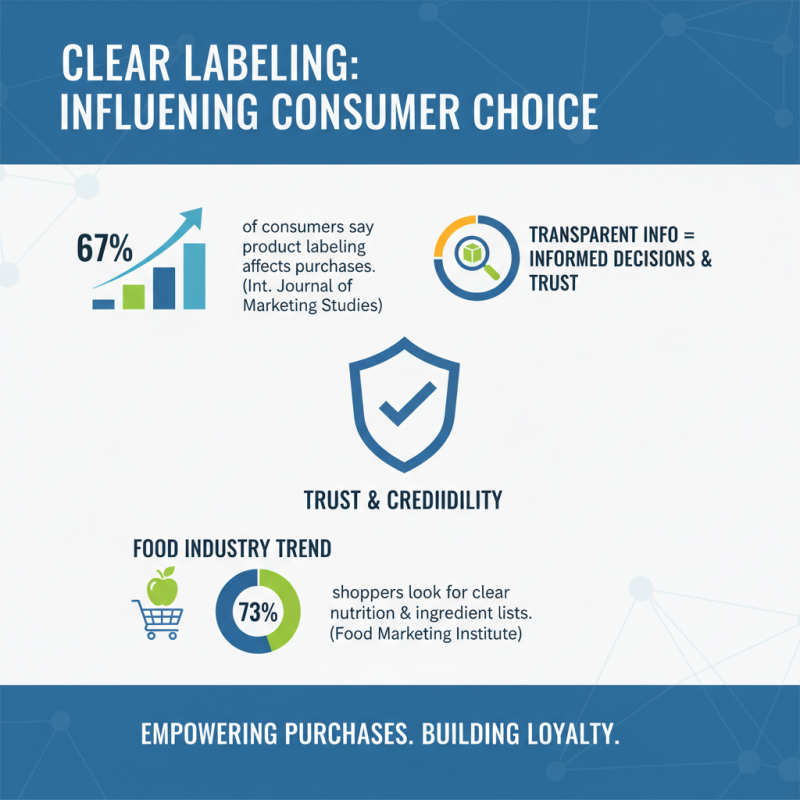
Clear labeling plays a pivotal role in influencing consumer decision-making. According to a study published by the International Journal of Marketing Studies, up to 67% of consumers report that product labeling significantly affects their purchasing choices. When labels provide transparent and easily understandable information, they empower consumers to make informed decisions, fostering a sense of trust and credibility. The food industry has particularly benefited from this trend; research from the Food Marketing Institute indicates that 73% of shoppers look for clear nutritional labels and ingredient lists when selecting food products, demonstrating how essential labeling is to consumer trust and satisfaction.
Moreover, the importance of clear labeling extends beyond just food products. A report from the Consumer Goods Forum highlights that consumers are increasingly concerned about sustainability and ethical practices. Brands that clearly communicate their sourcing practices and product impacts are seen as more trustworthy, with 59% of consumers preferring to buy from companies that openly share this information. This trend underscores the importance of transparency in labeling—not only does it guide consumer choices, but it also reflects a company’s commitment to responsible practices. In a marketplace flooded with options, effective labeling could very well be the key differentiator that drives product success.
Trends in Labeling: Sustainability and Transparency in Modern Markets
In today's market, sustainability and transparency have become pivotal trends in labeling practices. Consumers are increasingly aware of the environmental impact of their purchases, prompting brands to adopt more sustainable labeling approaches. Labels that communicate eco-friendly materials, proper disposal methods, and certifications can significantly enhance a product's appeal. By leveraging these elements, brands can foster deeper connections with consumers who prioritize environmental responsibility in their buying decisions.
Tips: When designing labels, consider using materials that are recyclable or made from sustainable sources. Additionally, clear labeling of ingredients and sourcing practices builds trust, as consumers desire to know where their products come from and how they are made. This not only aligns with modern values but also sets your brand apart in a crowded market.
Another critical aspect of labeling is the emphasis on transparency. Customers want to understand what they are consuming, leading to a demand for detailed information on product labels. Clear, honest communication about ingredients, potential allergens, and production methods can significantly impact consumer choices. Brands that prioritize transparency can cultivate loyalty and trust, as transparency is often equated with quality and integrity.
Tips: Keep your label design simple yet informative. Avoid jargon and overly technical terms that might confuse consumers. Instead, use straightforward language to convey your message effectively, ensuring that your commitment to transparency resonates with your target audience.
Importance of Labeling in Modern Markets
This chart illustrates the key attributes consumers seek in product labels in relation to sustainability and transparency. The data reflects current trends showing that consumers place high value on eco-friendliness, clarity of information, and ethical sourcing.