What is Manufacturing Labels? Understanding Industry Standards & Trends in 2023
In the ever-evolving landscape of manufacturing, "manufacturing labels" play a crucial role in ensuring operational efficiency, compliance with regulations, and product traceability. As we delve into the year 2023, it's essential to understand the industry standards and emerging trends that are shaping the future of labeling in manufacturing. According to a recent report by Grand View Research, the global labeling market is projected to reach $45 billion by 2025, growing at a compound annual growth rate (CAGR) of 4.8%. This growth indicates a heightened focus on label solutions that enhance brand visibility and ensure adherence to safety standards.
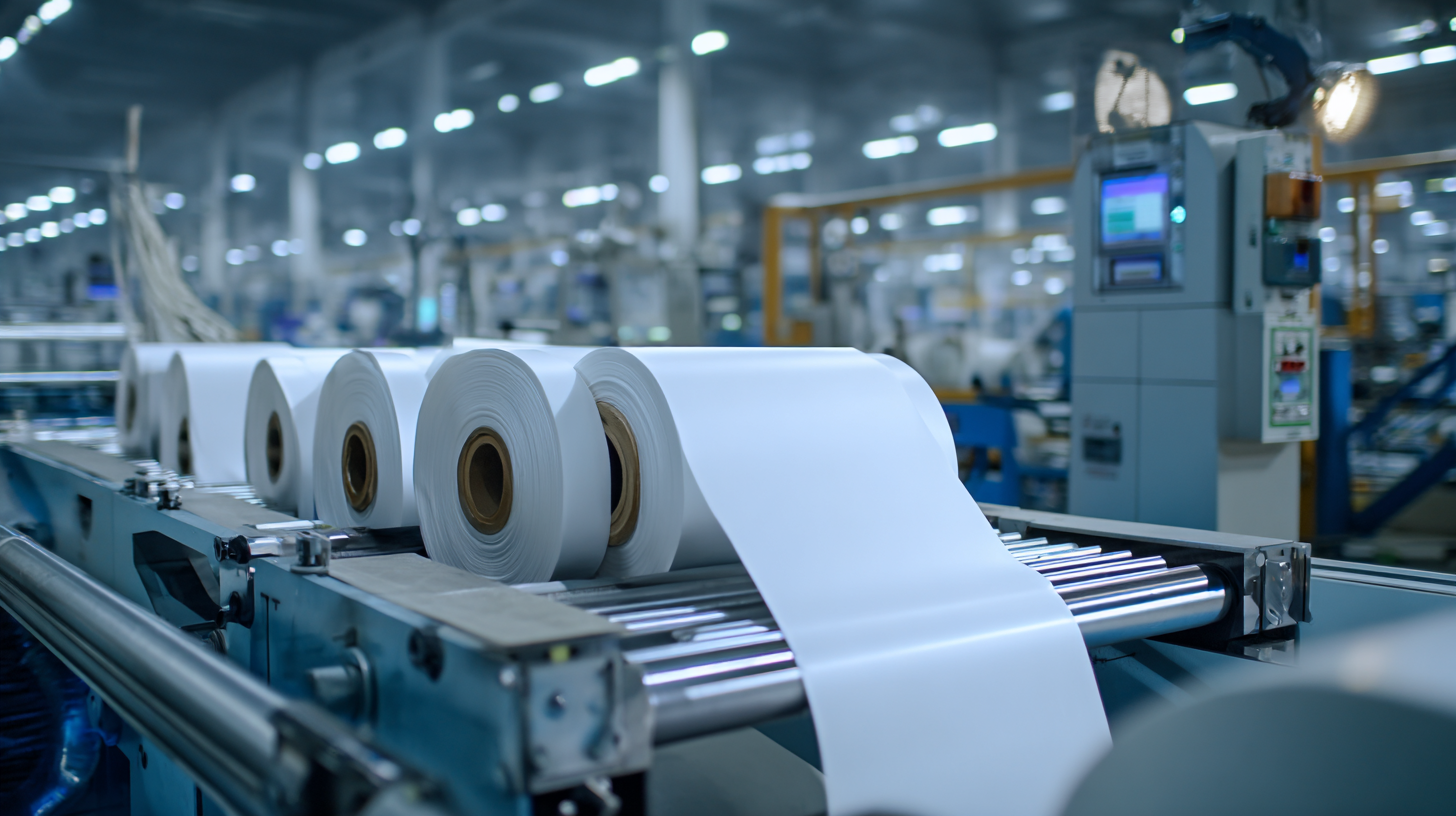
Manufacturing labels serve not only as identifiers but also as vital tools for inventory management, quality control, and regulatory compliance. Industries are increasingly adopting advanced label technologies, such as QR codes and smart labels, to improve traceability and transparency throughout the supply chain. A study by the Label Manufacturers Association reveals that over 60% of manufacturers plan to invest in digital labeling solutions in the next two years, indicating a trend towards innovation and sustainability in label production. Understanding these trends is essential for manufacturers looking to stay competitive and compliant in a rapidly changing market.
What Are Manufacturing Labels and Their Significance in Production?
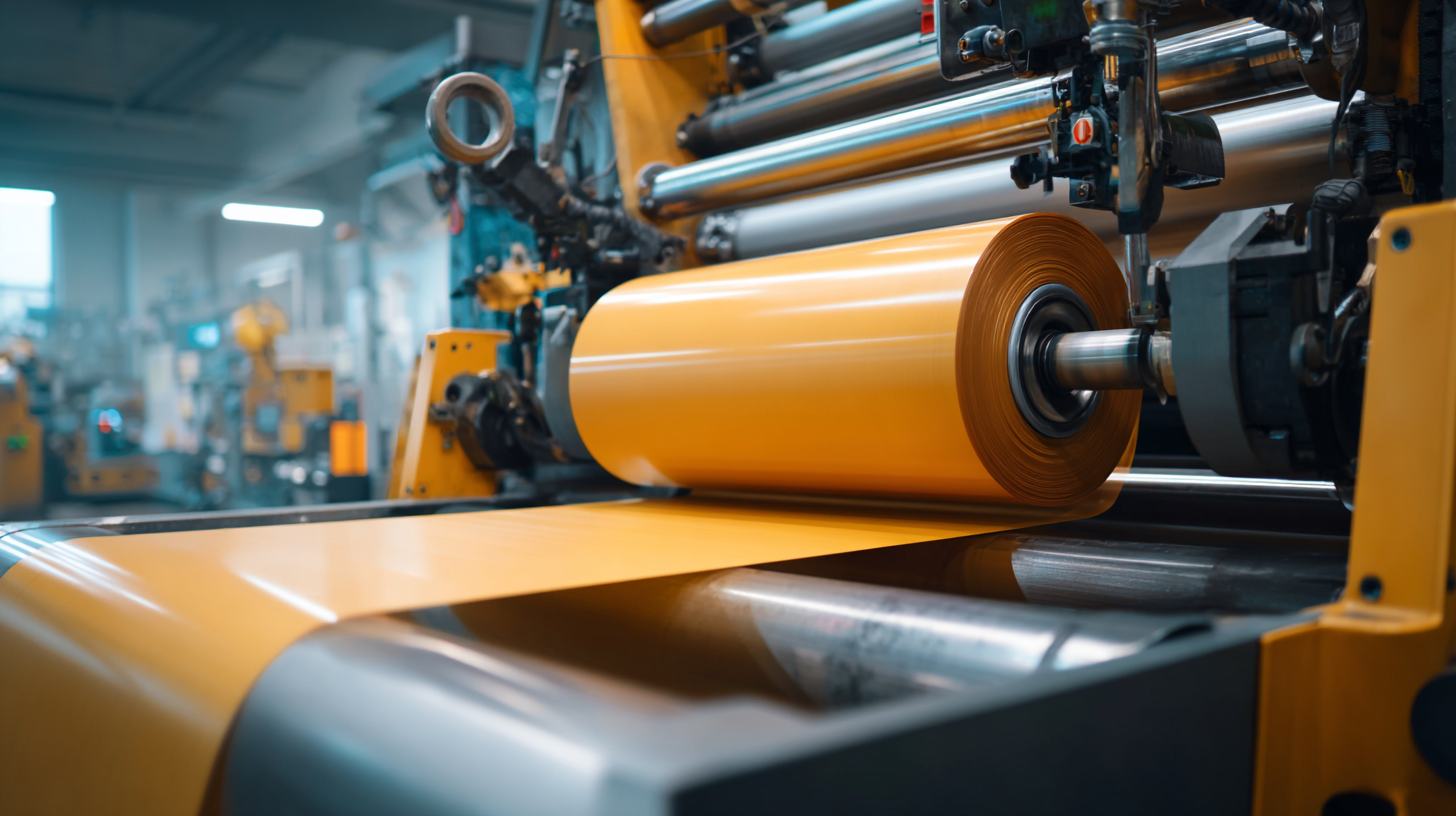 Manufacturing labels are essential elements in the production process, serving as a crucial communication tool between manufacturers and consumers. These labels convey important information about products, including their specifications, handling instructions, compliance with industry standards, and safety warnings. The effectiveness of these labels can significantly impact operational efficiency and product integrity. By ensuring that labels are clear and compliant with regulations, companies can enhance transparency and trust with their customers.
Tips: When designing manufacturing labels, it is vital to consider font size and clarity to ensure legibility. Additionally, incorporating symbols and color codes can enhance understanding, especially for international markets. Regularly reviewing and updating labels to align with changing regulations and industry best practices is also crucial in maintaining compliance and consumer trust.
In an ever-evolving industry landscape, keeping an eye on trends in manufacturing labels is crucial. With the rise of automation and digital technologies, the integration of QR codes and smart labels is gaining traction. These innovations not only improve tracking and inventory management but also allow for quick access to product information, improving user experience significantly. Staying ahead of these trends can provide a competitive edge in a crowded market.
Key Industry Standards Governing Manufacturing Labels in 2023
In 2023, the manufacturing labels industry is heavily influenced by evolving standards aimed at enhancing consumer safety and informed choices. Central to these changes is the Food Safety Modernization Act (FSMA), which highlights the importance of accurate labeling to prevent foodborne illnesses. With around 48 million people in the U.S. affected by foodborne diseases annually, clear and precise labeling is fundamental to public health. Manufacturers are required to provide comprehensive ingredient lists, especially concerning allergens, to comply with FDA regulations, ensuring that consumers make safe food choices.
Another significant development this year is the implementation of the updated Nutrition Facts label. This revision, based on new scientific insights, aims to facilitate consumer understanding of nutritional information, allowing for more informed dietary decisions. Furthermore, the latest revisions in ANSI and ISO standards, specifically regarding product safety labels, emphasize the necessity for manufacturers to reassess and adapt their labeling practices. Adhering to these updated standards not only ensures compliance but also enhances the overall safety and effectiveness of product communications in the manufacturing sector.
What is Manufacturing Labels? Understanding Industry Standards & Trends in 2023
| Standard Name |
Description |
Industry |
Year Introduced |
| ISO 9001 |
Quality management systems - Requirements |
Manufacturing |
1987 |
| ISO 14001 |
Environmental management systems - Requirements with guidance for use |
Manufacturing |
1996 |
| GHS |
Globally Harmonized System of Classification and Labelling of Chemicals |
Chemicals |
2003 |
| UL |
Underwriters Laboratories certification for product safety |
Electronics |
1894 |
| CSA |
Canadian Standards Association certification |
Various |
1919 |
Emerging Trends in Manufacturing Labels: Insights for 2025
In 2025, the manufacturing labels industry is poised for significant transformation driven by technological advancements and evolving consumer demands. The adoption of smart labeling solutions, such as QR codes and RFID tags, is expected to surge, with estimates predicting a market growth rate of 7.5% annually, reaching a valuation of approximately $60 billion. These technologies not only enhance traceability and transparency in supply chains but also empower consumers by providing easy access to product information.
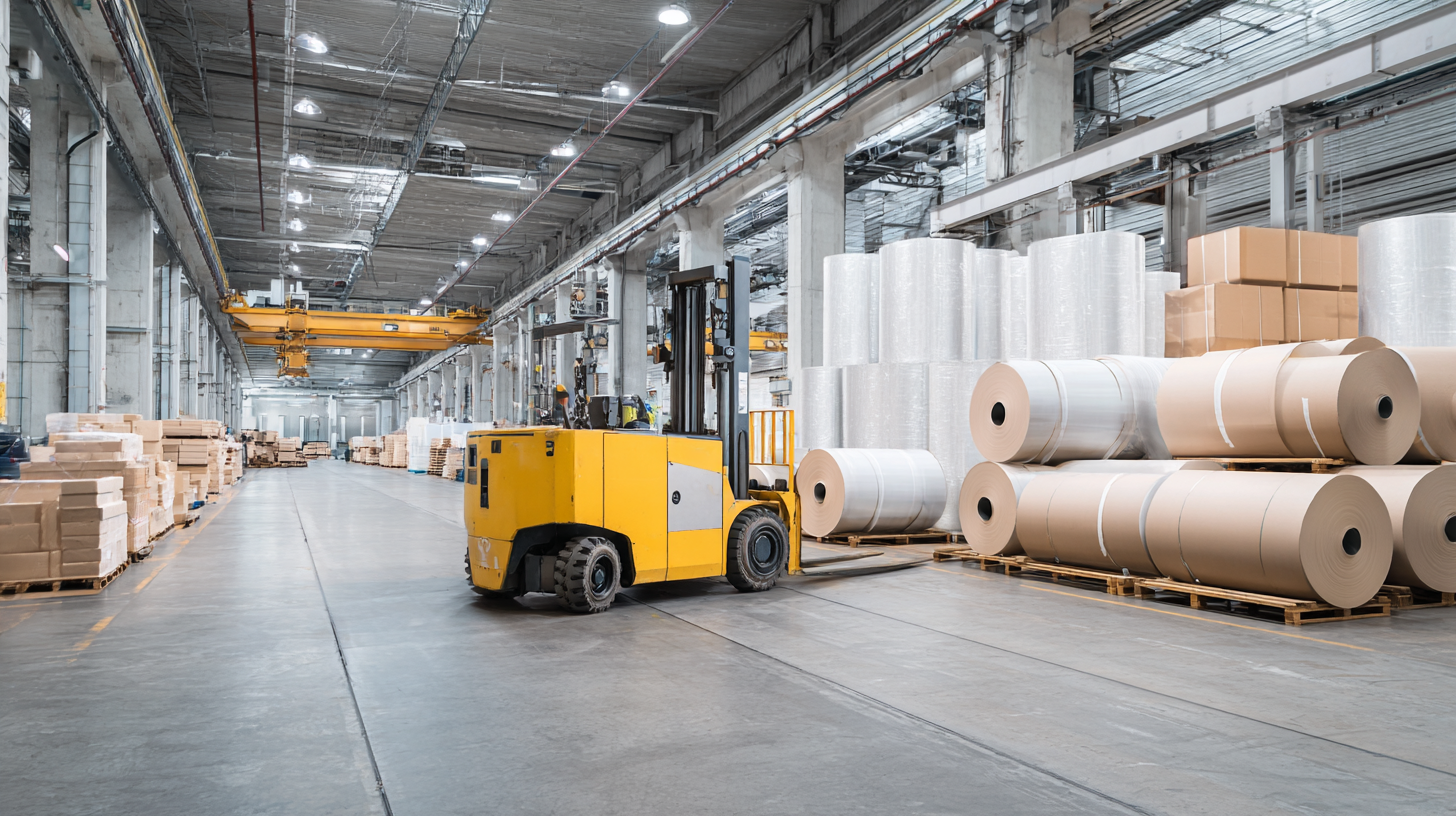
Sustainability is another crucial trend influencing manufacturing labels. According to a recent report by Smithers Pira, over 70% of label manufacturers are shifting towards eco-friendly materials and processes in response to increasing regulatory pressures and consumer preferences for sustainable products. Innovations such as biodegradable labels and water-based inks are becoming more prevalent, as companies strive to reduce their environmental impact while maintaining compliance with industry standards. This trend reflects a broader commitment within the industry to lead in sustainability and meet the growing demand for responsible manufacturing practices.
Challenges in Implementing Manufacturing Labels Across Industries
The implementation of manufacturing labels across various industries
presents several challenges, particularly as companies navigate the evolving landscape of consumer packaged goods (CPG).
According to recent industry reports, nearly 70% of CPG brands are investing significantly in technology to
streamline operations and improve product traceability. This push towards smart labeling not only enhances compliance with
industry standards but also addresses the growing consumer demand for transparency, especially concerning product ingredients and sourcing.
However, these advancements are met with obstacles, such as the lack of standardized labeling practices across different sectors.
Many manufacturers struggle with integrating advanced predictive maintenance technologies into their operations,
which is critical for minimizing downtime and ensuring accurate labeling.
A report highlighted that organizations with proactive maintenance strategies reported a 40% increase
in operational efficiency, underscoring the importance of technology in overcoming current labeling challenges.
To truly leverage the potential of manufacturing labels, companies must focus on
harmonizing their systems and embracing
innovative solutions that cater to both operational demands and consumer expectations.
Innovative Technologies Shaping the Future of Manufacturing Labels
In 2023, the landscape of manufacturing labels is being revolutionized by innovative technologies that promise to redefine the industry. Key developments such as applied AI, advanced computing, and automation are at the forefront of this transformation. According to the Future of Manufacturing Market Size & Share Report 2030, the AI in manufacturing market is projected to reach around $46 billion, emphasizing the critical role of AI in streamlining processes and enhancing efficiency. Collaborative robots and digital twins are also expected to lead this market shift, indicating a move towards a more automated and responsive manufacturing environment.
As traditional manufacturing methods evolve, tech giants are increasingly opting for innovative solutions that deliver improved sustainability and performance. The Innovation Fund's efforts to invest in low-carbon and net-zero technologies will further propel this shift, especially in sectors like electric vehicle battery manufacturing. In fact, with the U.S. manufacturing industry forecasted to continue its rapid evolution, embracing smarter supply chains and cutting-edge tech will be vital for maintaining competitiveness. This momentum reflects a broader trend where innovation is not merely an option, but a necessity for the future of manufacturing labels and the industry as a whole.
