What is Personal Labels and How Can They Benefit You?
In today's fast-paced world, personal labels play a significant role in shaping our identities. These labels define who we are and how we present ourselves. For many, they are more than just tags; they reflect distinct qualities and experiences. Personal labels can include roles like "student," "artist," or "parent." Each label carries weight and meaning.
Understanding personal labels helps us navigate relationships and environments. They influence how we connect with others. However, not everyone views their labels positively. Some feel constrained by them. This complexity invites reflection on the impact of labels in our lives. Are they empowering or limiting?
Exploring personal labels opens doors to self-discovery. It allows us to evaluate which labels truly resonate with us. We must consider if we fully embrace our labels or if they dictate our choices. In examining these aspects, we can harness personal labels to benefit our growth and well-being.

Definition and Concept of Personal Labels
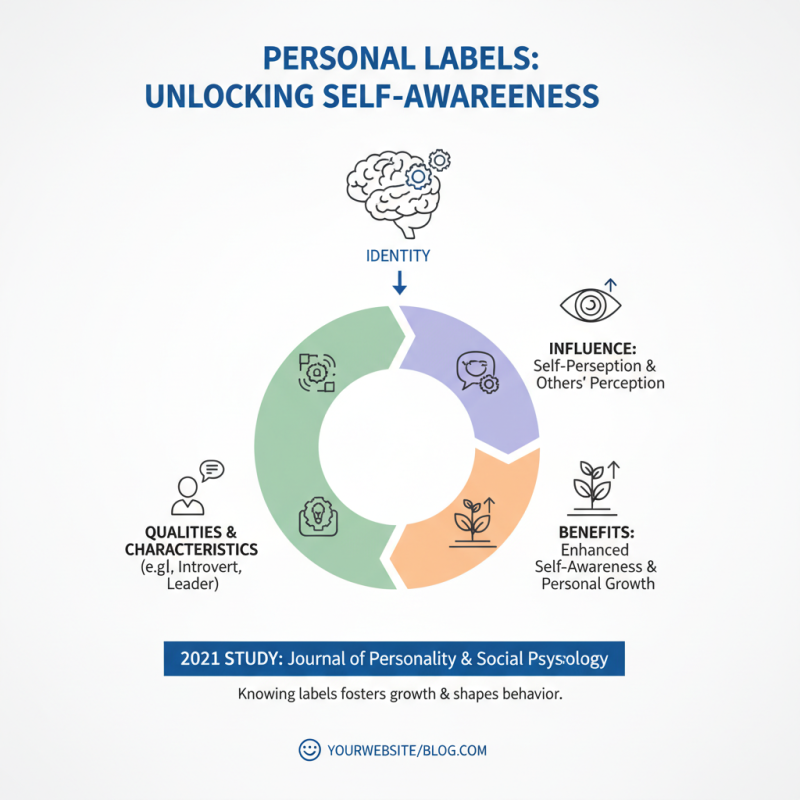
Personal labels encompass a set of qualities and characteristics that individuals assign to themselves. These labels can include aspects like introvert, creative, or leader. They become part of our identity, influencing how we perceive ourselves and how others perceive us. According to a 2021 study by the Journal of Personality and Social Psychology, knowing our personal labels can enhance self-awareness. Increased awareness fosters personal growth and shapes behavior.
However, relying too heavily on personal labels can have downsides. For instance, a person labeled as "shy" may avoid social situations, limiting experiences. A research report from the American Psychological Association showed that individuals sometimes conform to labels, stunting their potential. Labels can create boxes that feel hard to escape.
On the positive side, personal labels can provide clarity. They help in setting goals and finding communities that align with our identities. When we identify as "environmentally conscious," we may engage more in sustainable practices. A survey conducted in 2022 revealed that 72% of respondents felt their personal label empowered them to take action in their communities. Balancing the benefits and drawbacks of personal labels is key.
The Importance of Personal Labels in Self-Identity
Personal labels play a crucial role in shaping our self-identity. They encompass the various aspects of who we are. These labels can be related to our skills, passions, or personal experiences. For example, someone might identify as a "creative thinker" or "nature lover." Such labels help in defining our existence.
However, personal labels can become limiting. When we cling too tightly to them, we might resist change. For instance, a person labeled as “shy” could miss opportunities to grow and connect. Labels can create expectations and pressure. It's important to reassess these labels and enjoy parts of identity that might evolve over time.
Exploring personal labels often leads to self-reflection. It opens up the floor to new possibilities. Embracing fluidity can bring freshness to our identities. By challenging old labels, we allow ourselves to redefine who we are. Letting go of rigid definitions can help foster a more inclusive understanding of self.
How Personal Labels Influence Personal Development
Personal labels are more than just tags. They shape how we see ourselves and influence our growth. People often label themselves as "creative" or "shy." These labels can empower or limit us. When we embrace positive labels, we boost our confidence. For instance, calling yourself a "learner" can open doors to new experiences.
However, labels also have pitfalls. Holding onto a negative label, like "failure," can hinder progress. It’s hard to break free from that mindset. Sometimes, we forget that labels are not permanent. They can change as we grow. Reflecting on our labels allows us to redefine our identity.
Investing time in understanding personal labels is crucial. Journaling can help in this process. Write down the labels you associate with yourself. Are they serving you? Or are they holding you back? This reflection can be enlightening. It reveals areas for improvement and opens pathways for personal development. By challenging the labels we carry, we can transform our lives.
Influence of Personal Labels on Personal Development
Practical Applications of Personal Labels in Daily Life
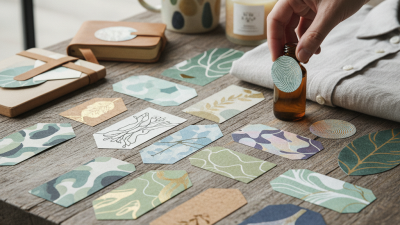
Personal labels can significantly enhance daily life. They help create a clear identity for tasks and items. For example, labeling pantry items makes it easy to find ingredients quickly. You save time and reduce frustration. It’s a simple gesture but helpful in managing household duties.
Consider a hectic morning routine. Personal labels on storage bins streamline the process. You know exactly where to find your essentials. A labeled coffee container wakes you up faster. Using visuals for kids to learn where their toys belong can also encourage responsibility. Labels can bring a sense of order.
However, it’s easy to overlook the little things. You might forget to update labels as things change. That old container for tea could mislead family members. Reflecting on this aspect can improve organization. Personal labels, while a great tool, sometimes require constant attention.
What is Personal Labels and How Can They Benefit You? - Practical Applications of Personal Labels in Daily Life
| Dimension |
Description |
Benefits |
| Self-Identification |
How you view yourself, including your values and beliefs. |
Better decision-making aligned with personal values. |
| Goal Setting |
Establishing personal and professional goals based on individual labels. |
Increased motivation and clarity in achieving objectives. |
| Social Interactions |
Labels that influence how you relate to others in social settings. |
Improved relationships and communication with others. |
| Emotional Awareness |
Understanding emotions associated with personal labels. |
Enhanced emotional intelligence and self-regulation. |
| Personal Branding |
Creating a personal brand that reflects your labels. |
Stronger professional identity and networking opportunities. |
Potential Challenges and Misconceptions about Personal Labels
Personal labels can be powerful tools for self-identification. However, they come with their own set of challenges and misconceptions. Many people assume that labeling themselves means limiting their identity. This is not entirely true. Labels can help clarify who you are. They can also create a sense of community. Yet, they can also confine you. It’s crucial to reflect on the labels you choose.
People often face judgment based on their labels. Misunderstandings can arise when labels are seen as stereotypes. For example, a personal label might suggest expertise or limitations. This can lead to pressure. The fear of not living up to a label can stifle growth. Labels can be misleading. They can create boundaries that don’t reflect our true selves.
Tips: Choose labels that empower you. Reflect on their impact regularly. Avoid clinging to outdated or limiting labels. Consider how your identity evolves. Remember, it is okay to reassess and change your labels as you grow. Embrace flexibility in your identity. Find strength in understanding that labels do not define you entirely.