Why Choose Silicone Rubber Hose for Your Industrial Needs?
In today's industrial landscape, the choice of materials can significantly impact performance and safety. Silicone Rubber Hose stands out due to its versatility and reliability. According to a report by Grand View Research, the global silicone rubber market is projected to reach $9.5 billion by 2025, reflecting its increasing adoption across various sectors.
Silicone Rubber Hose provides excellent resistance to extreme temperatures, ranging from -55°C to 300°C. This makes it suitable for both high-heat and cold environments. Industries like food processing, automotive, and pharmaceuticals benefit greatly from these properties. Furthermore, silicone rubber is non-toxic and odorless, addressing health concerns that arise in many industrial applications.
However, over-reliance on a single material type can lead to challenges. For instance, while silicone is durable, its performance can degrade under certain chemical exposures. Awareness and testing are crucial. Ultimately, understanding the specific needs of your application will guide you in selecting the right Silicone Rubber Hose.
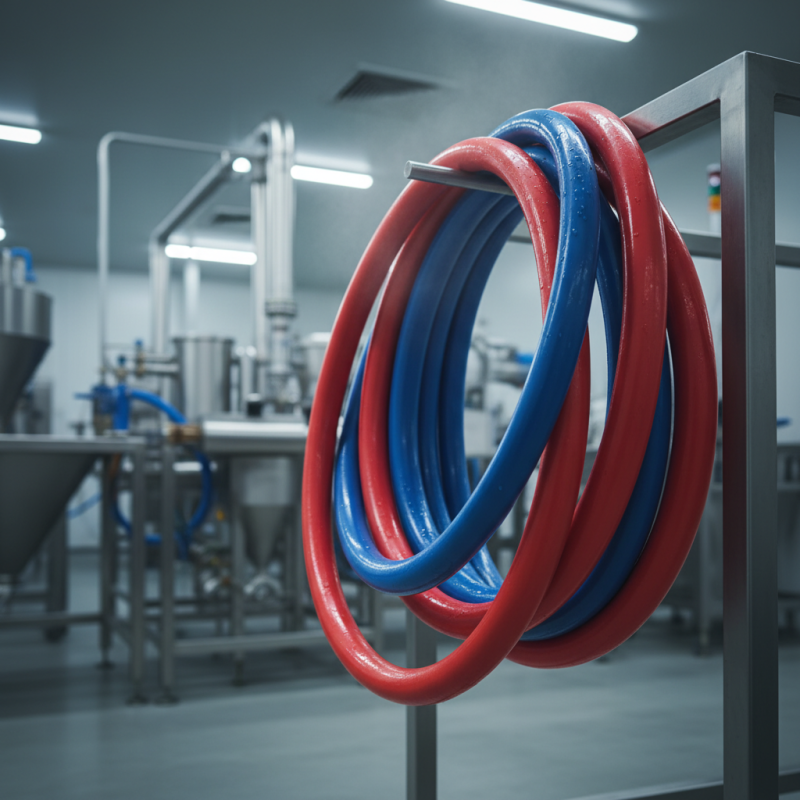
Key Advantages of Silicone Rubber Hose in Industrial Applications
Silicone rubber hoses have gained popularity in industrial applications due to their unique properties. They can withstand high temperatures, typically ranging from -60°C to 200°C. This thermal stability ensures that systems function smoothly, even under extreme conditions. According to a report by Grand View Research, the global silicone rubber market is expected to reach $8.15 billion by 2025, driven by such applications.
These hoses exhibit excellent chemical resistance, making them suitable for diverse industries, including food processing and pharmaceuticals. They do not react adversely to chemicals, ensuring product purity and safety. A study by Transparency Market Research indicates that the demand for silicone rubber in various sectors is anticipated to grow significantly due to these beneficial properties.
An important aspect to consider is the flexibility and durability of silicone rubber hoses. They can bend without kinking, reducing flow restriction. However, they are not invulnerable. Under certain conditions, such as prolonged exposure to UV light, they may degrade. Regular inspections and maintenance are essential to maximize their lifespan and ensure optimal performance.
Durability and Flexibility: Why Silicone Rubber Stands Out
Silicone rubber hoses are increasingly popular in industrial applications due to their remarkable durability and flexibility. These hoses can withstand extreme temperatures, ranging from -60°C to over 200°C. This temperature tolerance makes them suitable for a variety of environments, including food processing and automotive industries. Their high resistance to chemicals also makes them an ideal choice for handling various fluids.
Flexibility is another key advantage. Silicone rubber hoses can bend and twist without cracking or breaking. This characteristic allows for easy installation in tight spaces where traditional materials may fail. However, not all silicone hoses are created equal. Poorly manufactured options may lack the desired resilience and could fail under pressure. It’s essential to evaluate the quality and specifications carefully.
While silicone is a great choice, it isn't always perfect. In certain instances, silicone hoses might be more expensive compared to alternatives. This cost can lead to concerns about budget constraints for smaller operations. Industrial applications require a balance of performance and cost-effectiveness, making it crucial to assess all available options. Overall, the unique combination of durability and flexibility makes silicone hoses a worthy consideration for many industrial needs.
Temperature Resistance: The Extreme Limits of Silicone Rubber
Silicone rubber hoses are well-known for their exceptional temperature resistance. These hoses can withstand extreme heat and cold, making them ideal for various industrial applications. They can typically endure temperatures ranging from -50°C to +250°C. This range is vital for processes that operate under severe thermal conditions.
In manufacturing settings, equipment often experiences fluctuating temperatures. Traditional materials may fail in such environments. Silicone rubber, however, retains its flexibility and strength. This resilience leads to reduced downtime and maintenance costs. A well-designed silicone hose remains functional even after prolonged exposure to heat or chill.
It’s important to note that while silicone has many benefits, it is not infallible. Improper installation can lead to leaks or failures. Operators should be trained to handle these materials correctly. Monitoring the working environment is essential, as factors like UV exposure can deteriorate silicone over time. Many industrial setups still face challenges with hose performance. Assessing specific needs and conditions is crucial for achieving optimal results.
Temperature Resistance of Silicone Rubber vs. Other Materials
This chart illustrates the temperature resistance limits of silicone rubber compared to other common industrial materials. Silicone rubber's exceptional properties make it ideal for extreme temperature applications.
Chemical Compatibility: Silicone Rubber in Harsh Environments
Silicone rubber hoses are becoming the go-to solution for industrial applications. Their chemical compatibility is a notable strength. In harsh environments, these hoses withstand exposure to a wide range of chemicals. According to recent industry reports, silicone can endure temperatures from -100°F to 500°F. This adaptability makes it suitable for diverse applications, from food processing to chemical transport.
Almost 90% of industries report fewer failures when using silicone rubber hoses compared to traditional materials. This reliability is crucial for maintaining operational efficiency. The material’s resistance to aging and degradation is exceptional, ensuring long-lasting performance even under extreme conditions. For example, in petrochemical environments, these hoses perform better under stress, reducing downtime and maintenance costs.
However, it is essential to consider the specific chemical interactions when selecting silicone rubber. Some solvents may still affect its performance. Industries must conduct proper compatibility tests to ensure safety and effectiveness. While silicone offers many advantages, understanding its limitations remains a priority for engineers and safety managers. Balancing benefits and potential drawbacks is key to making informed decisions in material selection.
Cost-Effectiveness: Long-Term Savings with Silicone Rubber Hose
Silicone rubber hoses are increasingly popular in various industries. Their cost-effectiveness leads to long-term savings that make them a smart choice. Unlike traditional options, silicone rubber can withstand extreme temperatures. This durability reduces the need for frequent replacements, ultimately saving on costs.
When selecting a hose, consider its application. Silicone rubber is flexible and adaptable. It can handle both hot and cold substances effectively. This versatility minimizes the risk of failures, which can be expensive and hazardous.
**Tips:** Always check the temperature rating. Ensure it matches your industrial needs. Regular inspections can extend the life of your hoses. They must be replaced when signs of wear appear, despite their durability. This proactive approach can lead to fewer shutdowns and lower expenses in the long run.
