2026 How to Start and Succeed in the Printing Business?
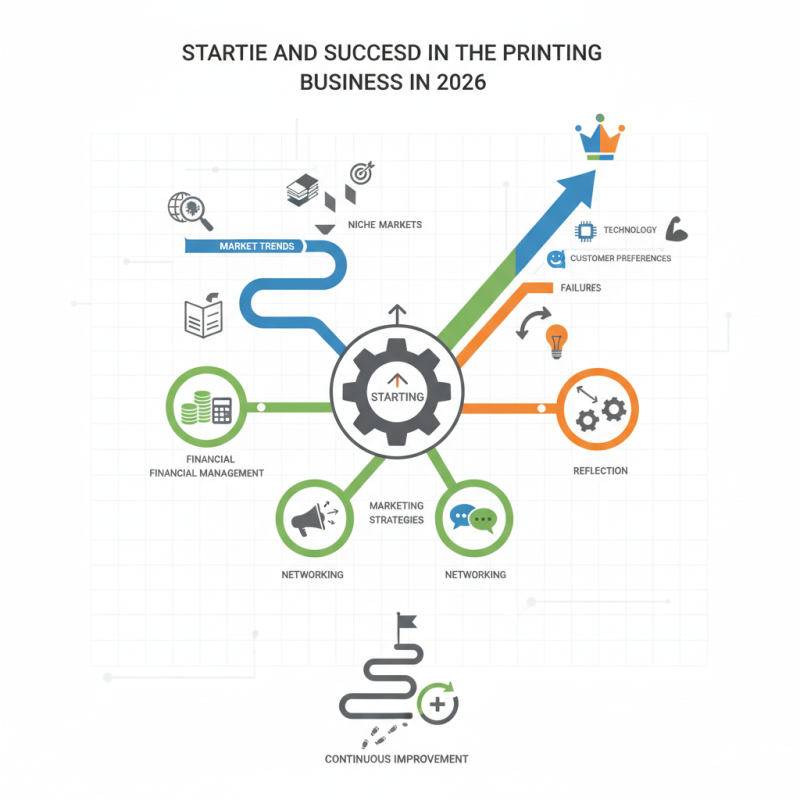
Starting a printing business in 2026 can be both exciting and challenging. The printing industry has evolved significantly with technology. Today, high-quality printing services are more accessible, but competition is fierce. Understanding market trends is crucial. It is important to explore niche markets to find clients who need specialized printing services.
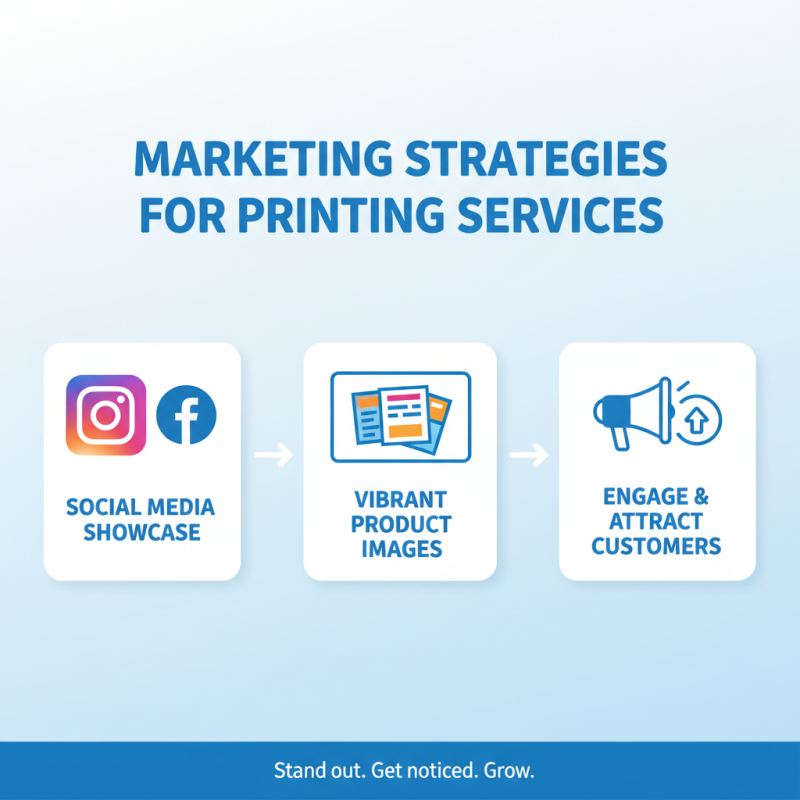
Establishing a printing business requires more than just technical skills. You will need a solid business plan. Financial management is essential for sustainability. Marketing strategies should be implemented to attract and retain customers. Networking within the industry can provide valuable insights and partnerships. However, failures may occur. Reflecting on setbacks can lead to better strategies and innovations.
In summary, the printing business landscape offers opportunities for those willing to adapt. Stay informed about technology and customer preferences. Your ability to navigate challenges will determine your success. Embrace the journey and learn from every experience. Success is built on continuous improvement and resilience.
Understanding the Printing Industry Landscape in 2026
In 2026, the printing industry is experiencing notable transformations driven by technology advancements and sustainability demands. According to a recent report by Smithers Pira, the global market for printing is expected to reach $980 billion by 2027, showing a compound annual growth rate of 2.7%. This growth is largely attributed to digital printing technologies and a surge in personalized products.
Yet, there are challenges to consider. The ongoing shift to digital continues to reshape consumer behavior. Many small businesses struggle to adapt to these rapid changes. A survey by Printing Industries of America revealed that 54% of printers feel unprepared for future technological disruptions. Additionally, the demand for eco-friendly practices is on the rise, with 80% of consumers favoring companies that implement sustainable methods. This puts pressure on traditional printing businesses to pivot swiftly.
Emerging markets pose both opportunities and risks. For instance, Asia-Pacific is likely to dominate future growth, accounting for 40% of the global market share. However, cultural differences and varying regulatory environments can complicate expansion efforts. Companies must weigh their strategies carefully, acknowledging potential pitfalls while attempting to seize new opportunities in this dynamic landscape.
Identifying Your Niche in the Printing Business
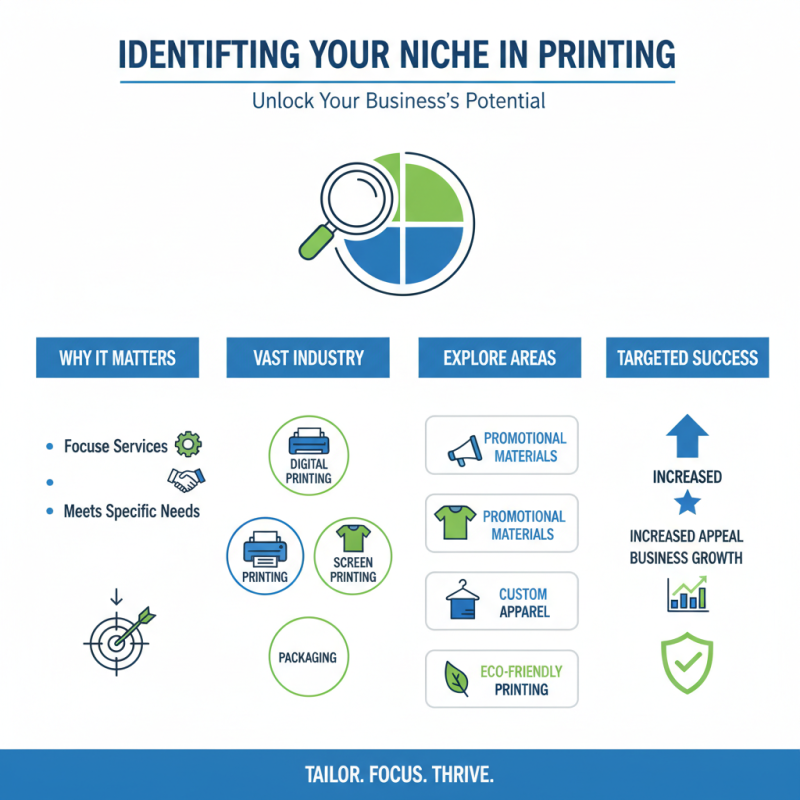
Identifying your niche in the printing business is crucial for success. The printing industry is vast, with various sectors like digital printing, screen printing, and packaging. Focusing on a specific niche allows you to tailor your services to meet specific customer needs. Explore different areas like promotional materials, custom apparel, or environmentally friendly printing. This targeted approach can significantly enhance your business's appeal.
**Tips:** Research local competitors. Identify gaps in their services. Engage with potential customers to understand their desires. This will help you carve out a unique space in the market. Consider your interests too. Are you passionate about art? Maybe specialized art prints are your niche.
It's important to reflect on your strengths. The printing industry demands creativity and technical skills. Invest time in mastering your chosen niche. However, don’t fear making mistakes early on. Each misstep can provide valuable lessons. Flexibility is vital as the market evolves. Stay open to feedback and adjust your offerings as needed. Keep an eye on industry trends to remain competitive.
Essential Tools and Equipment for Starting a Printing Business
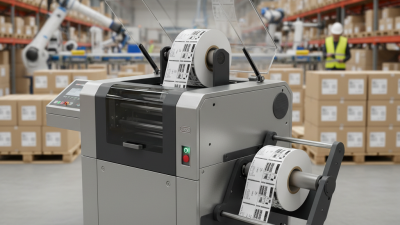
Starting a printing business requires the right tools and equipment. These essentials can greatly impact your efficiency and output quality. A high-quality printer is paramount. Consider options like digital, offset, or screen printers. Each has its strengths. Invest in a reliable printer that suits your specific needs.
In addition to printers, consider finishing equipment. Items like cutting machines and folding devices can streamline your workflow. A good paper cutter ensures clean edges and professional results. Quality paper is also vital. Different weights and finishes can create a unique feel for your work.
Don’t overlook software. Design and production software can help you create stunning layouts. Learning to use these tools effectively is crucial. Even with great equipment, skills matter. Experiment with different techniques and learn from mistakes. This approach fosters growth and leads to improved outcomes over time. Always be prepared to adapt and evolve your equipment choices as your business grows.
Printing Industry Equipment Investment Comparison
Developing a Business Plan for Your Printing Venture
Developing a solid business plan is essential for success in the printing industry. According to a report by Smithers Pira, the global printing market is expected to reach $980 billion by 2026. This growth presents a unique opportunity for aspiring entrepreneurs. A well-defined plan enables you to identify target markets, distribution channels, and cost structures, laying the foundation for profitability.
Market research is crucial. Understand current trends and consumer preferences. For example, over 51% of businesses still prefer printing services for marketing materials. Identify who your customers are and what they need. This insight will help you tailor your services effectively. Figuring out your unique selling proposition is vital as it differentiates your business.
Financial planning is another critical component. Many new printing businesses underestimate startup costs. Industry experts suggest an initial investment ranging from $50,000 to over $250,000, depending on the business model. It’s important to assess your capabilities honestly. This includes evaluating your equipment needs and labor costs. Reflect on your strengths and weaknesses to build a sustainable strategy. Ignoring these steps can lead to regrets later on.