Top 10 Aluminized Flat Bottom Pouches at Canton Fair 2026?
The demand for Aluminized Flat Bottom Pouches is witnessing a significant rise, particularly in packaging sectors focused on sustainability. According to recent industry reports, the global flexible packaging market is projected to reach USD 300 billion by 2026. These pouches offer excellent barrier protection, making them ideal for various products, from food items to pharmaceuticals.
Dr. Emily Carter, a renowned expert in packaging technology, emphasizes, "Aluminized Flat Bottom Pouches provide exceptional functionality without compromising on aesthetics." This dual advantage sets them apart in the competitive marketplace. The upcoming 139th Canton Fair in 2026 will showcase these innovative pouches, providing buyers with a unique opportunity to connect with top manufacturers.
AI-driven tools at the fair will facilitate efficient supplier searches, especially for certified producers. As the demand for quality and sustainable packaging grows, Aluminized Flat Bottom Pouches stand out as a solution. However, companies must reflect on their practices to ensure they meet evolving consumer expectations while addressing environmental challenges. The importance of adapting to market trends cannot be overstated in this fast-paced industry.
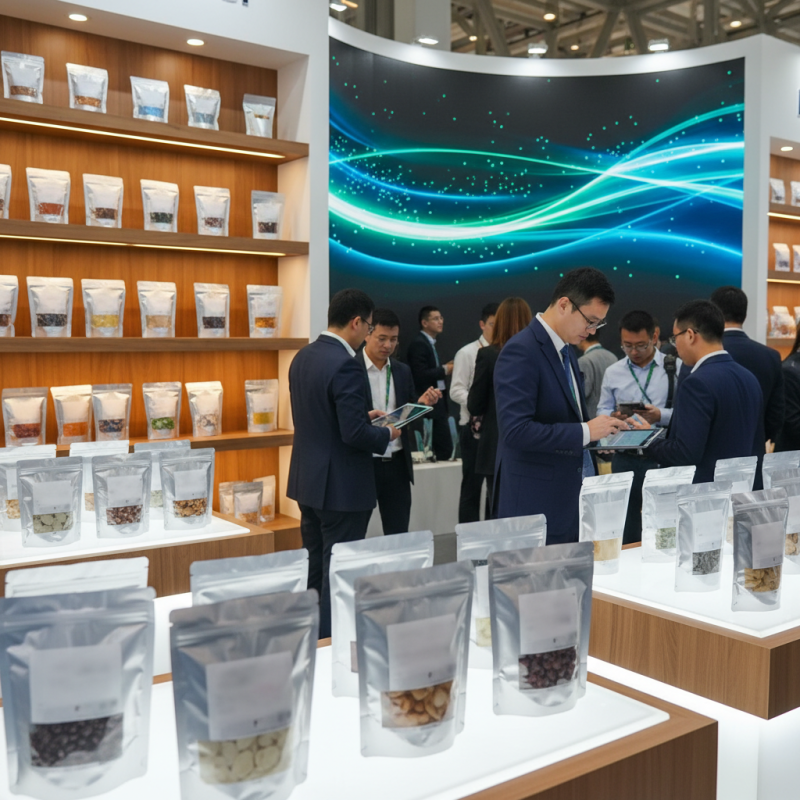
Overview of Aluminized Flat Bottom Pouches
Aluminized flat bottom pouches are gaining popularity for packaging solutions. These pouches offer enhanced barrier protection, making them ideal for various products. They are lightweight and flexible, which helps in reducing shipping costs significantly. Available in various sizes, these pouches can cater to different market needs.
One notable feature of aluminized pouches is their ability to protect contents from moisture and light. This characteristic extends the shelf life of food and other sensitive items. However, there are concerns about their recyclability. The aluminum layer complicates the recycling process, which is a drawback for eco-conscious consumers. There's a need for improvements in sustainability.
Despite their benefits, the production process may have room for enhancement. Many manufacturers are exploring innovative materials that improve environmental impact. Consumers are becoming more aware of packaging choices. They prefer options that are both functional and sustainable. This shift may influence the future of aluminized flat bottom pouches.
Key Features of Aluminized Flat Bottom Pouches
Aluminized flat bottom pouches are gaining popularity for their versatility. These pouches are often used for packaging food, cosmetics, and various consumer goods. Their unique structure allows them to sit upright, providing better display options for retailers. The shiny, metallic finish not only appeals aesthetically but also offers great barrier properties. This feature keeps products fresh and protected from light, moisture, and oxygen.
Key features of these pouches include their durability and eco-friendliness. Made from recyclable materials, they cater to environmentally conscious consumers. The flat bottom design maximizes storage efficiency and makes them user-friendly. Customers appreciate their ease of use—easy to open, resealable, and space-saving. However, finding the perfect supplier is often a challenge. There are numerous options, and not all meet quality expectations.
Another aspect to consider is customization. Many businesses look for ways to stand out in a competitive market. While some suppliers offer printing and branding options, the quality may vary. It’s essential to research and test samples before making large orders. Meeting specific needs is crucial but difficult. Balancing design, functionality, and cost can require reflection and careful planning.
Top 10 Aluminized Flat Bottom Pouches at Canton Fair 2026
| Pouch Type | Material | Capacity (grams) | Size (cm) | Features |
| Stand Up Pouch | Aluminized PET/PE | 1000 | 20 x 30 | Zip Lock, Tear Notch |
| Flat Bottom Pouch | Aluminized PET | 500 | 15 x 25 | Foil Barrier, Custom Printing |
| Side Gusset Pouch | Aluminized Foil | 250 | 12 x 18 | Resealable, Lightweight |
| Square Bottom Pouch | Aluminized Paper | 750 | 18 x 28 | Eco-friendly, Matte Finish |
| Coffee Pouch | Aluminized PET | 300 | 10 x 15 | one-way valve, High Barrier |
| Snack Pouch | Aluminized BOPP | 400 | 15 x 22 | Window Cut, Flexibility |
| Herb Pouch | Aluminized Kraft | 150 | 7 x 10 | Natural Look, Recyclable |
| Spice Pouch | Aluminized PET | 200 | 8 x 12 | Zipper, Spice Seal |
| Candy Pouch | Aluminized BOPP | 100 | 5 x 8 | Child-safe, Glossy Finish |
Top Manufacturers Showcasing at Canton Fair 2026
The Canton Fair in 2026 promises to showcase numerous manufacturers specializing in aluminized flat bottom pouches. These pouches are increasingly popular in the packaging industry due to their lightweight and durability. According to a recent market report, the global flexible packaging market is expected to reach $300 billion by 2025, highlighting the growing demand for innovative packaging solutions.
At this year’s fair, manufacturers will display various options to meet customer needs. Many companies are focusing on sustainable materials. Research indicates that 60% of consumers prefer eco-friendly packaging. This trend puts pressure on manufacturers to innovate. However, achieving sustainability while maintaining product performance is a challenge. Some companies still struggle with finding a balance between cost and quality.
Not all presentations may meet expectations. Observations from previous fairs show that not every product showcased received positive feedback. Design flaws and usability issues can arise even from top manufacturers. It’s essential for them to adapt based on consumer feedback. The market is evolving, and manufacturers must respond accordingly to succeed.
Innovative Designs and Applications of Pouches
Aluminized flat bottom pouches are gaining traction for their innovative designs and applications. In recent years, the global flexible packaging market has shown significant growth, projected to reach USD 300 billion by 2026. This surge is largely due to the increasing demand for eco-friendly packaging solutions. These pouches are not just functional; their sleek appearance appeals to modern consumers.
One key aspect of these pouches is their barrier properties. They effectively protect contents from moisture, light, and oxygen. A study indicates that over 60% of consumers prefer products packaged in materials that extend shelf life. Yet, as we explore their designs, we notice a need for improvement. Some pouches lack adequate resealability, affecting usability. This gap in innovation presents an opportunity for developers.
Moreover, incorporating sustainable materials into these pouches remains a challenge. While many manufacturers are exploring bioplastics, the transition is slow. Data shows that only 25% of flexible packaging produced globally is made from recycled materials. As the industry pivots towards sustainability, there is much work to be done. Further research and development could truly revolutionize the use of aluminized pouches in various sectors.
Top 10 Aluminized Flat Bottom Pouches at Canton Fair 2026
Sustainability Considerations in Packaging Solutions
Sustainable packaging has become a key focus for many industries. Aluminized flat bottom pouches stand out for their versatility. These pouches can preserve food freshness and extend shelf life. However, the materials used often raise environmental concerns. The industry must reflect on this critical balance between functionality and sustainability.
At the Canton Fair 2026, various makers will showcase innovations in packaging. Many pouches now utilize recyclable materials. However, not all designs consider the entire lifecycle of the product. Realizing the importance of biodegradable options is crucial. The industry must also address end-of-life solutions. Customers are increasingly asking for transparency in sourcing and production.
There are challenges in adopting sustainable practices. It requires investment in research and development. Companies often face a trade-off between cost and eco-friendliness. Also, consumer education about sustainable choices is often lacking. This gap needs attention. Ignoring these factors could hinder progress. Industries must strive for balance and embrace continuous improvement in sustainable packaging.
