Top 10 Automatic Baler Machines at 2026 Canton Fair China?
The upcoming 2026 Canton Fair is a landmark event for industries relying on innovation, including the Automatic Baler Machine sector. Scheduled from April 15 to May 5, this fair emphasizes advanced manufacturing and machinery. Automatic Baler Machines play a pivotal role in waste management, recycling, and logistics. With the market expected to grow by 5.5% annually, these machines are not just tools; they are essential for promoting sustainability.
Recent data highlights the importance of innovative solutions. In 2022, the global baler market was valued at approximately $6 billion. Automatic Baler Machines are increasingly preferred for their efficiency and cost-effectiveness. They not only save space but also improve material handling. However, despite the efficiencies these machines offer, challenges remain, such as the need for regular maintenance and operator training.
As the fair integrates AI technologies for smarter navigation and supplier selection, it presents an opportunity for buyers to discover cutting-edge Automatic Baler Machines. This combination of technology and machinery can enhance the recycling process and reduce waste. Industry leaders must reflect on how these advancements can further their goals while addressing potential downsides like energy consumption and initial investment costs.
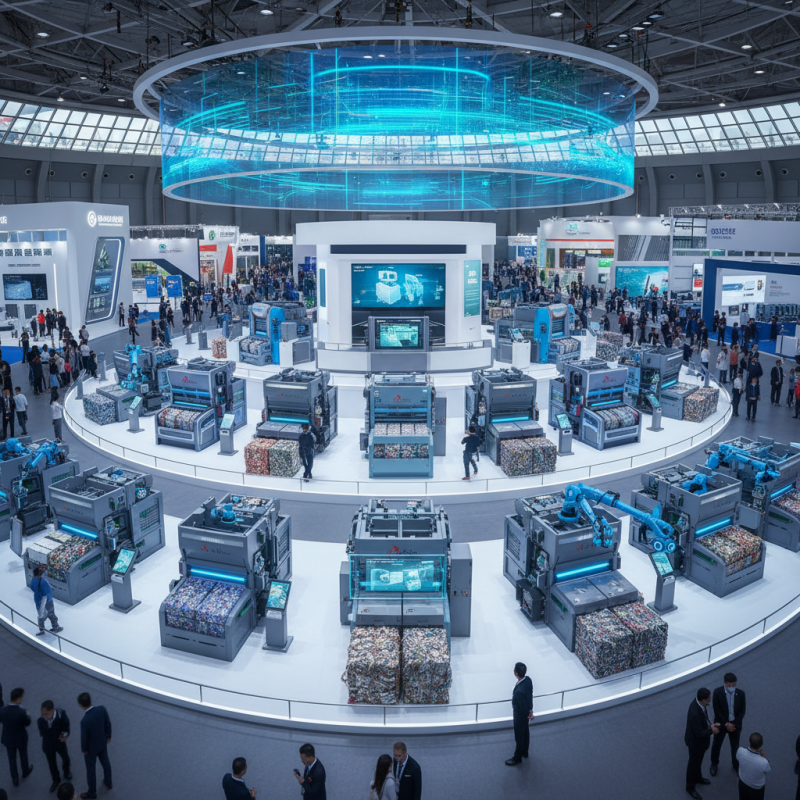
Overview of Automatic Baler Machines: Key Features and Benefits
Automatic baler machines play a crucial role in modern waste management. These machines efficiently compress materials like cardboard, plastic, and paper into compact bales. This process not only saves space but also simplifies transportation. Many businesses seek automation to reduce labor costs and improve efficiency.
Key features of automatic balers include adjustable bale sizes and user-friendly controls. Some models have advanced sensors for optimized operation. Safety is another concern; most come equipped with emergency stop buttons and safety shields. However, choosing the right baler can be challenging. The complexity of options can overwhelm beginners.
While automatic balers offer many benefits, some drawbacks exist. Initial investment costs can be significant. Maintenance may require specialized knowledge, which could result in unexpected delays. As the technology evolves, staying updated on features is essential. Balers must meet evolving environmental regulations, making continuous learning necessary for users.
Top 10 Automatic Baler Machines at 2026 Canton Fair China
| Model | Baling Material | Bale Size (mm) | Capacity (Bales/hour) | Power (kW) | Control Type | Weight (kg) |
| Model A | Cardboard | 800 x 600 | 15 | 5.5 | Automatic | 1500 |
| Model B | Plastic | 1000 x 800 | 20 | 7.5 | PLC Controlled | 1800 |
| Model C | Metal | 1200 x 1000 | 10 | 10 | Touchscreen | 2200 |
| Model D | Paper | 700 x 800 | 25 | 4 | Fully Automated | 1300 |
| Model E | Organic Waste | 900 x 700 | 18 | 3 | Remote Controlled | 1400 |
Trends in Baler Technology: Innovations Expected by 2026
As we look ahead to the 2026 Canton Fair in China, innovative trends in baler technology are becoming increasingly important. Automatic baler machines are evolving swiftly. They focus on efficiency, sustainability, and user-friendliness. Expect to see smarter automation features. These features help reduce human error and increase productivity, but they also raise questions about job displacement.
Another significant trend is the integration of Internet of Things (IoT) technology. This allows balers to connect to networks and provide real-time data on performance. Such advancements promise improved maintenance and monitoring options. However, they also pose challenges related to data security. Also, many businesses might be unprepared for the necessary training on new systems.
Design improvements are key as well. Manufacturers are prioritizing compact designs that fit various spaces. These machines are lighter and easier to transport. Yet, there is still a need for durability, as some models may sacrifice strength for size. Continuous feedback from users will be essential. This highlights the complexity of balancing performance with practical use. The future looks promising, but there are still hurdles to overcome.
Top 10 Automatic Baler Machines Trends by 2026
This chart illustrates the expected trends in automatic baler machine technology by 2026, focusing on various dimensions such as energy efficiency, automation level, and market demand. Each element is scored from 0 to 100, indicating anticipated advancements and features in the industry.
Top Manufacturers Showcasing Baler Machines at the Canton Fair
The Canton Fair is a hub for innovation in the baler machine industry. Exhibitors showcase a variety of baler machines that enhance efficiency and sustainability. Leading manufacturers are eager to present their latest technologies. Many designs focus on automatic operations, reducing labor costs significantly. The increasing demand for recycling solutions drives these advancements. In 2022, the global baler market was valued at approximately $4.5 billion. Predictions suggest it will grow at a CAGR of 5% until 2026.
Investing in an automatic baler can yield high returns. These machines save time and effort. They also ensure consistent bale quality, optimizing storage and transport. Many designs feature user-friendly interfaces and enhanced safety measures. This convenience draws attention from diverse industries, including waste management and agriculture.
Tips: Always assess machine specifications carefully. Different machines cater to varied needs. Examine the energy efficiency ratings before purchase. Moreover, consider ease of maintenance; a complex setup may lead to downtime. Understanding these factors can improve long-term productivity.
Comparative Analysis of the Leading Automatic Baler Machines
The 2026 Canton Fair in China showcases a diverse range of automatic baler machines. Each machine brings unique features and specifications. A comparative analysis can provide insights into their efficiency and productivity.
When evaluating these machines, one aspect to consider is their operational speed. Some models can process materials faster than others. However, speed might compromise the quality of baled products. Additionally, energy consumption varies among machines. High-efficiency models consume less energy, yet they may be more expensive upfront. This presents a dilemma for budget-conscious buyers.
Another crucial factor is versatility. Some balers handle a wide range of materials, while others focus on specific types. This limits their applications in some scenarios. Maintenance requirements also differ. Certain machines require frequent servicing, impacting overall productivity. Balancing these aspects can be challenging. Choosing the right equipment demands careful consideration and planning.
Future of Recycling: The Role of Baler Machines in Waste Management
The future of recycling is heavily intertwined with innovative technologies in waste management. Baler machines play a crucial role in this transformation. They compact and bundle recyclable materials, making transportation easier and more efficient. This technology reduces the volume of waste significantly. It also promotes sustainability by encouraging recycling practices. In urban areas, where space is limited, balers are indispensable.
However, the industry's growth raises some concerns. Many machines require regular maintenance, which can be overlooked. Neglecting this can lead to operational inefficiencies and increased downtime. Additionally, not all balers are designed for every type of material. A mismatch can hinder recycling efforts. Awareness of these limitations is essential for better adoption in waste management sectors.
As cities continue to grow, the need for effective waste solutions becomes urgent. Baler machines are central to this challenge. Yet, they must be integrated thoughtfully into existing systems. For instance, education about proper usage is often lacking. Operators need training to maximize efficiency. Emphasizing these areas can lead to a more sustainable future in recycling.
