Top Eco Friendly Labels You Should Know About
In today's world, eco friendly labels have gained immense importance. These labels guide consumers in making sustainable choices. Dr. Emily Green, an environmental expert, emphasizes, "Choosing products with eco friendly labels promotes sustainability." Such labels signify environmental responsibility in various industries.
The rise of eco friendly labels reflects a growing awareness of environmental issues. Brands increasingly adopt these labels to showcase their commitment to sustainability. However, not all labels are created equal. Sometimes, consumers may face confusion due to greenwashing. This is when companies exaggerate their eco friendly initiatives.
Despite the challenges, eco friendly labels can encourage positive change. They empower consumers to support brands that care for the planet. As we navigate the vast array of products, understanding these labels is crucial. Knowing what to look for can lead to responsible purchasing decisions.
Introduction to Eco-Friendly Labels and Their Importance
Eco-friendly labels play a crucial role in guiding consumers toward sustainable choices. According to a 2022 study by the International Institute for Sustainable Development, 66% of global consumers prefer brands with clear sustainability practices. This growing awareness is significant. Consumers increasingly demand transparency regarding products’ environmental impacts. Eco-labels provide that necessary insight, showcasing everything from sourcing to disposal methods.
These labels are not just about consumer preference; they also indicate industry shifts. A report from GreenBiz Group highlighted that over 50% of brands will achieve carbon neutrality by 2030. However, not all companies completely align with these goals. Some may use eco-labels to greenwash their practices, leading to skepticism among buyers. Continuous education is essential for consumers to differentiate between genuine eco-friendly practices and mere marketing tactics.
The impact of eco-friendly labels extends beyond products. They encourage companies to adopt sustainable practices, resulting in a more responsible supply chain. Yet, the effectiveness of these labels can vary widely across regions and industries. Consumers must remain vigilant, regularly questioning the validity of the labels they encounter. This reflects a continuous journey toward true sustainability, where labels are only one piece of the puzzle.
Top Eco-Friendly Labels Awareness
This chart illustrates the awareness levels of various eco-friendly labels among consumers. Understanding these labels is crucial for making informed choices that benefit the environment.
Types of Eco-Friendly Labels You Should Be Aware Of
Eco-friendly labels provide essential information about products. They guide consumers towards sustainable choices. Understanding these labels helps in making informed decisions. Studies show that 73% of consumers are willing to pay more for environmentally friendly products.
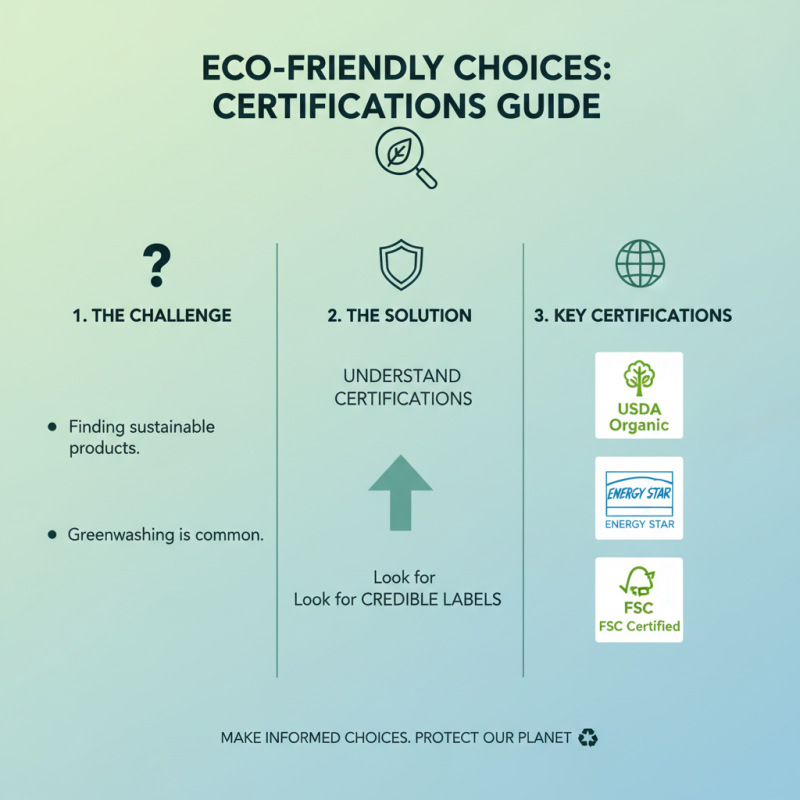
There are various types of eco-friendly labels. Some indicate organic materials, while others focus on energy efficiency. For example, "Certified Organic" requires crops to be grown without synthetic pesticides. Additionally, the "Energy Star" label represents products that save energy. It’s vital to discern which labels are credible. Not all labels have strict criteria. This can lead to greenwashing, where companies mislead consumers about their products' eco-friendliness.
Many reports emphasize the significance of transparency. A survey found that 86% of consumers prefer brands that are clear about their sustainability practices. Knowing the differences in eco-friendly labels can help you avoid misleading claims. Reading product details ensures you choose genuinely sustainable items. Embracing this knowledge empowers consumers.
Understanding Certification Processes for Eco Labels
Eco labels play a crucial role in guiding consumers toward sustainable choices. Understanding the certification processes for these labels is essential for making informed decisions. According to a study by the International Institute for Sustainable Development, the market for eco-friendly products is expected to grow by 25% over the next five years. This rise indicates a strong demand for transparency in sustainability claims and the importance of credible certification.
Certification processes vary widely. Many eco labels require compliance with rigorous standards. For instance, some labels mandate independent third-party assessments. These assessments ensure products meet environmental and ethical benchmarks. However, not all labels are created equal. Some certifications lack stringent criteria, which can mislead consumers. Research from the Environmental Protection Agency shows that up to 40% of eco labels fail to provide clear or verifiable claims.
The inconsistency in certification can be confusing. Consumers may struggle to identify genuine eco-friendly products. A 2022 report by the Global Sustainable Initiative found that nearly 70% of consumers are unsure which labels to trust. Therefore, it's important for shoppers to research and reflect on certification details. Engaging with transparent information enhances the credibility of eco labels and supports the marketplace for truly sustainable products.
Top Eco-Friendly Labels: Overview of Notable Examples
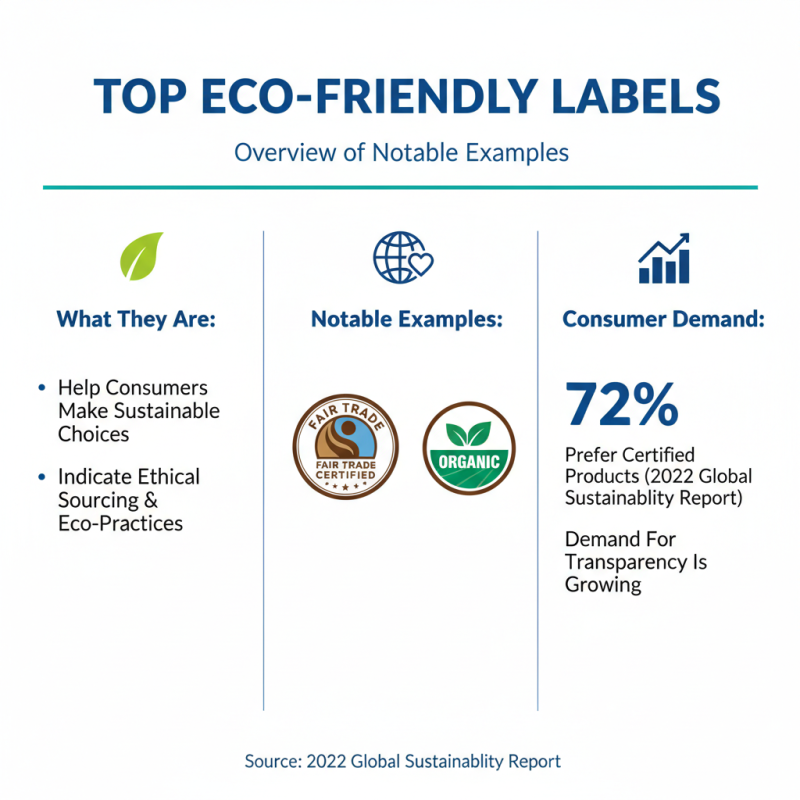
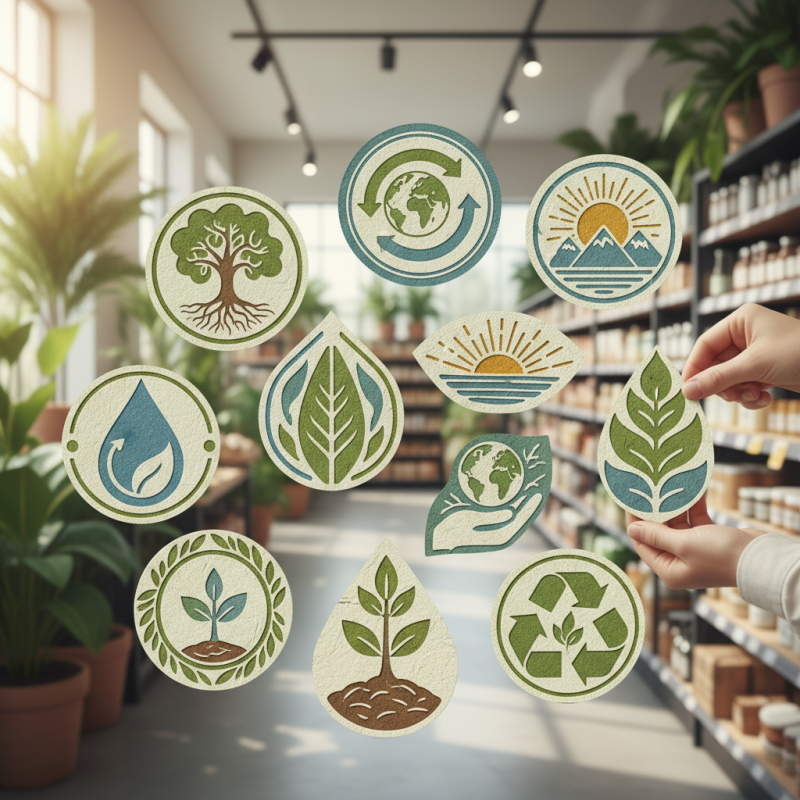
In recent years, eco-friendly labels have gained popularity, helping consumers make sustainable choices. Notable examples include certifications like Fair Trade and organic. These labels indicate ethical sourcing and environmentally friendly practices. According to the 2022 Global Sustainability Report, consumers increasingly prefer products with such certifications, reflecting a broader demand for transparency.
Many brands now prioritize sustainable materials. Reports show that around 66% of consumers are willing to pay more for sustainable products. This trend highlights a growing awareness of the environmental impact of consumer choices. Yet, some labels may lack rigorous standards. This raises questions about their authenticity.
Another important aspect is the life cycle of products. Labels often emphasize renewable resources but overlook the entire manufacturing process. For instance, some brands claim to use recycled materials without addressing energy-intensive processes. This discrepancy can mislead consumers. Therefore, it is crucial for consumers to research labels to understand their true impact.