Top 10 Plastic Box Options for Global Buyers to Consider
Choosing the right Plastic box for your needs can be daunting. With countless options available, it's essential to rely on industry expertise. Sarah Thompson, a veteran in plastic packaging solutions, once said, "The quality of a plastic box can significantly impact storage and transport efficiency." Her insight emphasizes the importance of selecting appropriate products.
Plastic boxes serve various functions across industries. They offer durability, versatility, and cost-effectiveness. However, not all plastic boxes are created equal. Buyers often face confusion when evaluating materials, sizes, and designs. It’s crucial to understand the specific applications for which these boxes will be used. For instance, choosing a box that can withstand temperature fluctuations may be vital for food storage.
This overview presents the top ten plastic box options available globally. Each selection is evaluated not just on design, but on reliability and performance. It's worth reflecting on the importance of matching a plastic box to its intended function. In this way, you can avoid costly mistakes and find the perfect fit for your storage needs.
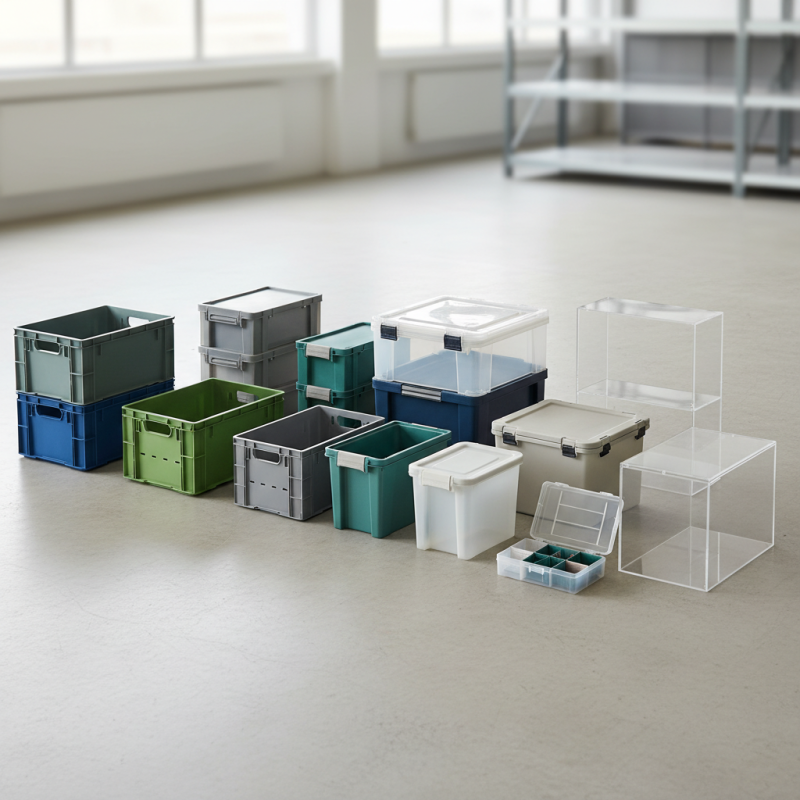
Key Features to Look for in Plastic Boxes for Diverse Applications
When selecting plastic boxes, key features play a vital role in your decision-making process. Durability is essential. Look for impact-resistant materials that can withstand everyday use. This ensures the boxes will last, even under challenging conditions. Also, consider the weight of the plastic. Lightweight options may be simpler to handle and transport.
Versatility is another important factor. Choose plastic boxes that can serve multiple purposes. For instance, clear containers provide easy visibility of contents. Adjustable dividers can help in organizing various items efficiently. Some designs even allow for nesting, saving space when boxes are not in use.
**Tips:** Always check the lid. A tight-fitting lid keeps dust out and secures your items. Consider whether you need stackable boxes. This can significantly enhance your storage efficiency. Lastly, examine the warranty. A solid warranty indicates confidence in the product's reliability. With these considerations, you can identify the best plastic boxes to meet your diverse needs.
Top 10 Plastic Box Options for Global Buyers to Consider
| Plastic Box Type | Material | Dimensions (cm) | Weight Capacity (kg) | Features | Applications |
| Stackable Storage Box | Polypropylene (PP) | 30 x 20 x 15 | 10 | Transparent, stackable, ergonomic handles | Home storage, office supplies |
| Food Storage Container | BPA-free Polyethylene (PE) | 25 x 15 x 10 | 5 | Microwave-safe, airtight lid | Kitchen, meal prep |
| Utility Bin | Polyethylene (PE) | 45 x 30 x 25 | 15 | Heavy-duty, weather-resistant | Workshop, garage storage |
| Document Storage Box | Recycled Polypropylene (PP) | 40 x 25 x 15 | 7 | Locking lid, stackable | Office, filing papers |
| Clear Plastic Case | Acrylic | 20 x 20 x 20 | 4 | Clear view, lightweight | Craft, small items display |
| Tool Organizer Box | Polypropylene (PP) | 35 x 25 x 15 | 10 | Removable dividers, durable | Tools, DIY projects |
| Medical Supply Box | Polypropylene (PP) | 30 x 30 x 20 | 8 | Secure locking, waterproof | First aid, medical tools |
| Laundry Basket | Polyethylene (PE) | 50 x 40 x 30 | 20 | Ventilated, foldable | Laundry, storage |
| Pet Food Container | BPA-free Plastic | 30 x 30 x 25 | 10 | Sealed, scoop included | Pet supplies, food storage |
| Drawer Organizer | Polypropylene (PP) | 25 x 15 x 5 | 3 | Adjustable compartments | Office, kitchen, makeup |
Types of Plastic Materials Used in Manufacturing Plastic Boxes
When selecting plastic boxes, understanding the types of plastic materials is crucial. Many boxes are made from polyethylene (PE) and polypropylene (PP). According to a recent industry report, around 40% of plastic packaging utilizes these materials due to their durability and flexibility. PE offers excellent moisture resistance, making it ideal for food storage and outdoor applications. PP, on the other hand, has higher chemical resistance and is often used in medical and automotive sectors.
Another popular material is polyvinyl chloride (PVC). While its flexibility makes it versatile, it may raise environmental concerns. A study found that PVC production accounts for approximately 5% of global plastic output. This has led to a push for more sustainable alternatives. Users are increasingly seeking eco-friendly options that do not compromise performance.
Interestingly, bio-based plastics are emerging in the market. They are derived from renewable resources and aim to reduce plastic waste. Though promising, they still face challenges in terms of cost and production scalability. As buyer preferences shift, manufacturers need to rethink their offerings. The balance between functionality and sustainability remains a complex issue.
Comparative Analysis of Top Plastic Box Brands Available Worldwide
When evaluating the market for plastic boxes, buyers should consider several leading brands. A recent report from Market Research Future noted that the global plastic boxes market is expected to reach $10 billion by 2025. This figure highlights the steady demand driven by various industries. The market is diverse, with options catering to both durability and cost-effectiveness.
Certain brands excel in specific features. For instance, some boxes are designed for enhanced stacking capabilities, crucial for warehouses. Others focus on being lightweight yet sturdy, making them ideal for travel or retail. Data indicates that nearly 40% of buyers prioritize versatility in their storage solutions. However, the choice may not always be straightforward. Some products may lack UV resistance, affecting their longevity in sunlight.
Tips: Look for boxes with clear labels and organization options. Think about your specific needs, like storage conditions or mobility. Always check the fine print for durability claims. This scrutiny can save you future headaches. Moreover, consider user reviews and ratings to gauge real-life performance. Keep in mind that not all products meet their marketing promises; be cautious of them.
Cost Considerations When Selecting Plastic Boxes for Business Needs
Choosing the right plastic box for your business requires careful consideration of costs. The material, size, and container features significantly affect pricing. High-quality plastics offer durability, yet they can be more expensive. Cheaper options may save upfront costs but could lead to higher replacement expenses later. Factoring in long-term usage is essential.
Another aspect to consider is sourcing. Shipping costs can add up, especially if purchasing in bulk. Ensure you calculate your total expenditure, including potential tariffs and taxes. Engaging with reliable suppliers can mitigate costs as they often provide competitive pricing and discounts for bulk orders.
Reflect on the storage needs specific to your business. Are you using these boxes for shipping or storage? Size and design may influence not only cost but also functionality. Balance your budget against the necessity of quality. A compromise here might lead to poor choices. It's vital to weigh the short-term benefits against potential long-term effects.
Sustainability Practices in Plastic Box Production and Disposal Options
Sustainability is a growing concern in plastic box production. The industry has made strides towards eco-friendly practices. Many manufacturers use recycled materials. This reduces waste and promotes a circular economy. Biodegradable options are also available. They lessen the environmental impact significantly.
Disposal options for plastic boxes are crucial. Recycling programs can extend the life of plastic. However, not all plastics are recyclable. Consumers must check local guidelines. Improper disposal leads to pollution. Many plastic boxes end up in landfills, where they persist for decades. Education on responsible disposal is necessary.
Though progress is being made, challenges remain. Not all manufacturers commit to sustainable practices. The market can be flooded with low-quality plastic that is hard to recycle. Advocating for better materials and practices is essential. Awareness can drive change within the industry.
