Top Printing Business Trends for 2026 What to Expect?
The printing business is entering a transformative era. With advancements in technology and shifts in consumer behavior, companies need to adapt. These changes will define the landscape by 2026.
Sustainability is becoming a top priority. Eco-friendly materials and processes are no longer optional. Customers demand responsible practices. Businesses that overlook this trend risk losing credibility and market share.
Additionally, digital integration is essential. Embracing automation and smart technology can enhance efficiency. However, the challenge remains to balance innovation with personal touch. The printing business must navigate these complexities to thrive.
Emerging Technologies in the Printing Industry for 2026
In 2026, the printing industry will witness transformative technologies. Digital printing continues to grow, driven by advancements in inkjet and laser technologies. According to Smithers Pira, the global digital printing market is expected to reach $27 billion by 2026. This growth highlights the demand for faster production and customizable solutions.
Sustainability will play a significant role in emerging technologies. A report by Freedonia Group indicates that eco-friendly materials will capture over 30% of the market share by 2026. Innovations like water-based inks and recyclable substrates are gaining traction. Many companies are exploring biodegradable options to reduce environmental impact. This shift could mark a turning point for the industry.
Automation and artificial intelligence will also reshape operations. A study by MarketsandMarkets estimates that AI in manufacturing, including printing, will grow to $16 billion by 2026. Smart printers and predictive maintenance will enhance efficiency. However, the integration of these technologies poses challenges. Many businesses will need to invest in training and infrastructure to adapt. It is essential to reflect on the balance between technology and traditional craftsmanship in this evolving landscape.
Top Printing Business Trends for 2026
This chart illustrates the expected growth of key trends in the printing industry for 2026. The trends include the adoption of digital printing, eco-friendly materials, automation in printing processes, and personalized printing solutions.
Sustainable Practices and Eco-Friendly Innovations in Printing
Sustainable printing practices are gaining momentum as businesses strive to reduce their environmental footprint. In 2026, eco-friendly innovations will likely dominate the printing industry. Concepts like biodegradable inks and recycled paper options are set to become standard. Companies are exploring plant-based materials that pose less harm to the environment. These options not only meet consumer demands but also promote responsible usage of resources.
The shift towards sustainability is not without challenges. Many printing companies still rely on traditional methods. Transitioning to greener alternatives can involve higher upfront costs and require new technology. However, the long-term benefits often outweigh these concerns. Businesses that embrace eco-friendly practices can enhance their brand image and attract a conscientious consumer base.
Education is crucial in this journey. Many companies face a knowledge gap regarding sustainable practices. Training staff on eco-friendly techniques can be beneficial. Collaboration with suppliers will also play a critical role. Companies need to communicate their sustainability goals effectively. In doing so, they can create a shared vision for a greener future in printing.
Top Printing Business Trends for 2026: What to Expect?
| Trend |
Description |
Projected Impact (% Increase) |
Sustainability Aspect |
| Digital Printing Expansion |
Increased adoption of digital printing technologies for customization and reduced waste. |
30% |
Less waste through shorter runs |
| Eco-Friendly Inks |
Use of biodegradable and plant-based inks to reduce environmental impact. |
25% |
Reduces toxic chemical usage |
| Sustainable Materials |
Increased use of recycled and sustainably sourced materials for print products. |
20% |
Promotes recycling and waste reduction |
| 3D Printing Growth |
Expansion of 3D printing applications in various sectors, including manufacturing. |
40% |
Reduces material waste |
| Cloud-Based Printing Solutions |
Adoption of cloud technology for more efficient printing management and workflows. |
35% |
Optimizes resource usage |
Shifts in Consumer Preferences Impacting Printing Services
Consumer preferences are rapidly evolving. In 2026, the printing industry must adapt to these shifts. Sustainability is a key focus for many consumers. They seek eco-friendly materials and processes. Businesses that prioritize green practices may gain a competitive edge.
Customization is another trend on the rise. Consumers want personalized products that reflect their unique identities. Offering tailored printing services can enhance customer satisfaction. This requires understanding individual client needs deeply.
Tip: Regularly survey customers for their preferences. This feedback can guide your service offerings.
Additionally, digital transformation plays a crucial role. Clients expect fast, efficient service. Integrated technology solutions streamline operations. Adopting these tools can improve workflow and reduce waste.
Tip: Invest in staff training on new technologies. Well-informed employees can boost productivity and innovation.
Balancing these trends requires ongoing evaluation. Business models must be flexible. Stay alert to changes in consumer behavior to remain relevant.
The Rise of Automation and AI in Printing Processes
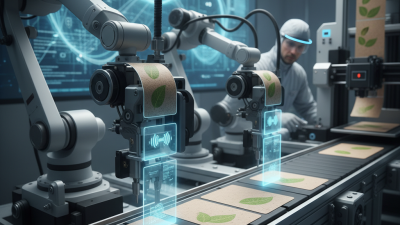
The printing industry is changing rapidly. One major shift is the rise of automation in printing processes. More businesses are adopting automated systems. This transition can enhance productivity and reduce human error. Automated solutions streamline workflows. They improve efficiency, which is crucial in a competitive market.
Artificial intelligence (AI) is also making its mark. AI algorithms can optimize print jobs based on historical data. This leads to better resource allocation, reducing waste. However, relying on AI isn’t without challenges. Errors can occur, and human oversight is still essential. A mix of human skills and AI support is ideal.
While these technologies offer great promise, some companies are hesitant. Integrating automation and AI requires significant investment. Training staff to work alongside these tools can also be daunting. The success of this transition relies on balancing innovation with practical implementation. Striking this balance is a complex journey for many businesses.
Market Opportunities and Challenges for Printing Businesses in 2026
The printing industry is poised for significant transformation by 2026. Emerging technologies will push businesses to innovate. Digital printing continues to evolve, offering higher quality and faster turnaround times. According to a recent market report, the global digital printing market is expected to grow at a CAGR of 10% through 2026. This growth presents opportunities but also heightens competition.
Sustainability will be a crucial challenge. Customers increasingly demand eco-friendly materials and processes. Companies may need to invest in sustainable practices to meet market expectations. Research shows that 60% of consumers prefer brands that prioritize sustainability. Adopting green practices can enhance brand loyalty and open new revenue streams. However, implementing these changes can be costly and complex.
Automation is another key element. Automated printing solutions can boost efficiency and reduce labor costs. Yet, transitioning to automated systems poses risks. Worker retraining is essential, and not all staff may adapt easily. Companies must evaluate their workforce's readiness for change. Balancing technology adoption with employee needs will define success in the coming years. The path forward will require foresight and flexibility to navigate these evolving market demands.