Top 10 Vitamin A Supplements for Global Buyers?
Vitamin A Supplements play a crucial role in maintaining overall health. According to the World Health Organization, Vitamin A deficiency affects millions globally. It can lead to severe vision problems and weakened immune function. As awareness of the importance of micronutrients grows, the demand for quality Vitamin A supplements continues to rise.
The supplement market is projected to grow significantly. Grand View Research estimates that the global dietary supplement market will reach $272 billion by 2028. Vitamin A supplements are a key category in this growth. Many consumers seek reliable and effective options. However, not all supplements are created equal. Quality, sourcing, and bioavailability vary widely.
Always consider factors like dosage and form. Discussing with a healthcare provider ensures you choose the right product for your needs. The proliferation of online information is beneficial but sometimes overwhelming. It’s essential to focus on reputable brands backed by research and positive reviews. This article explores the top 10 Vitamin A supplements available today, aiming to guide informed choices for global buyers.
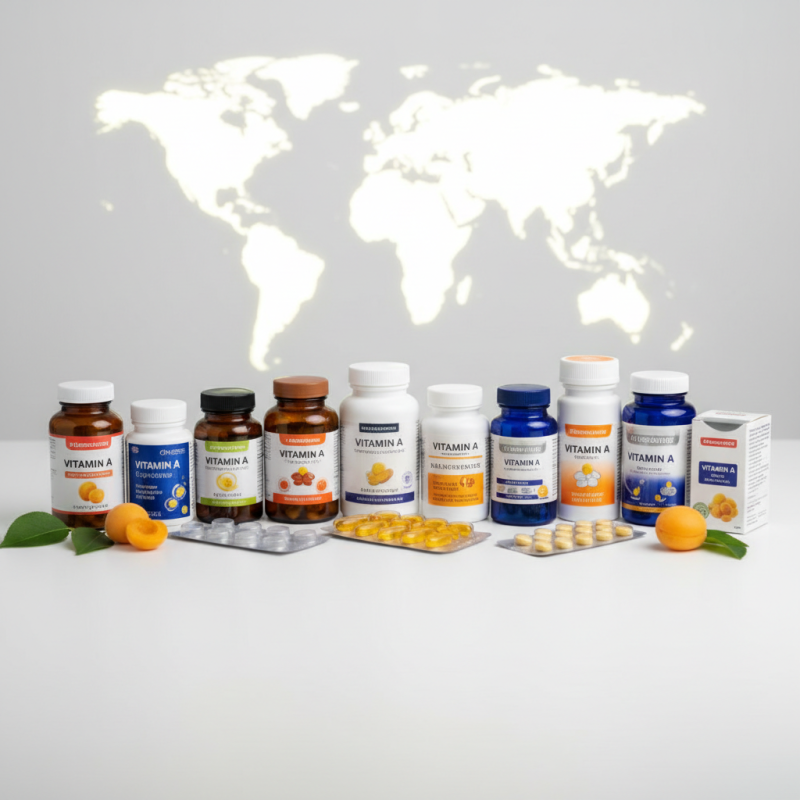
Overview of Vitamin A and Its Health Benefits
Vitamin A is an essential nutrient known for its role in maintaining good vision, immune function, and skin health. Found in two primary forms—preformed vitamin A and provitamin A carotenoids—this vitamin is crucial for various bodily processes. A deficiency can lead to serious health issues, including night blindness and immune deficiencies. Understanding the importance of Vitamin A can guide consumers in making informed choices about supplementation.
When considering Vitamin A supplements, it's essential to focus on dosage. Too much vitamin A can be toxic, leading to health complications such as liver damage or bone problems. It’s important to look for reputable sources when seeking supplements. Ensuring that the supplement has undergone rigorous testing can provide peace of mind.
Tips: Always consult with a healthcare professional before starting any new supplement. Pay attention to dietary intake of Vitamin A from food sources, such as carrots and leafy greens. Balance is key—more isn't always better. If you're unsure about your vitamin levels, consider getting a blood test. This can help tailor your supplementation needs effectively.
Criteria for Choosing the Best Vitamin A Supplements
When choosing the best Vitamin A supplements, several criteria come into play. First, it is crucial to consider the form of Vitamin A used. Retinol, found in animal products, and beta-carotene from plants are the most common. A study published in the Journal of Nutrition indicates that retinol is more bioavailable than beta-carotene. This means the body can absorb it more easily, making supplements with retinol potentially more effective.
Next, look for products with third-party testing. Independent testing ensures the product meets quality and safety standards. A report by the U.S. Pharmacopeia emphasizes that up to 30% of supplements do not contain the ingredients they claim. Opting for brands that are tested by credible organizations instills more confidence in their efficacy.
Assess the dosage as well. The Recommended Dietary Allowance (RDA) for adults is 900 mcg for men and 700 mcg for women. Overshooting this amount can lead to toxicity. Additionally, individual dietary needs vary greatly. For instance, a person with a poor diet may need higher supplementation, while a well-balanced diet might require less. Errors in judgment can lead to overdependence on supplements, which is a concern within the wellness community. Hence, a balanced approach to supplementation is vital.
Top 10 Vitamin A Supplements for Global Buyers
Vitamin A is essential for maintaining good health. It plays a pivotal role in vision, immune function, and skin health. When looking for Vitamin A supplements, the choices can be overwhelming. It’s crucial to select high-quality products to ensure safety and efficacy.
Not all Vitamin A supplements are created equal. Some may contain synthetic forms that could cause adverse effects when consumed in excess. Buyers should consider natural sources derived from fish liver oils or beta-carotene. These options generally offer better absorption and are less likely to lead to toxicity.
Purchasing supplements involves research. Check for third-party testing to ensure product quality. Look for transparency in ingredient sourcing. Product labels should be clear and informative, emphasizing potency and purity. It's also wise to consult healthcare professionals before starting any new supplement regimen. Engaging in discussions with knowledgeable sources can shed light on your specific nutritional needs.
Comparative Analysis of Different Vitamin A Forms
Vitamin A is essential for various bodily functions, including vision, immune response, and skin health. It comes in different forms, such as retinol, beta-carotene, and retinyl esters. Each form has unique properties and benefits that cater to diverse health needs.
Retinol is a preformed vitamin A. It is readily used by the body. Sources include animal products like fish and liver. This form may be preferable for those seeking quick results for skin concerns. On the other hand, beta-carotene is a provitamin A carotenoid found in colorful fruits and vegetables. It needs conversion to active vitamin A and offers antioxidant benefits. This makes it an excellent choice for individuals focused on dietary sources.
Tips: Consider your dietary habits when choosing a vitamin A supplement. If you're vegetarian or vegan, opt for beta-carotene. If you require immediate benefits for skin issues, retinol might be more suitable. Additionally, always consult with a healthcare professional before starting new supplements. Monitor your body's response to ensure optimal dosage.
User Reviews and Feedback on Top Vitamin A Products
When considering vitamin A supplements, user reviews play a crucial role in decision-making. Buyers often share powerful insights based on personal experiences. Many reviewers highlight improvements in skin texture and vision after incorporating these supplements into their routines. Users appreciate clear skin and better night vision. However, some report side effects, like headaches and nausea. Adjusting dosage may be necessary for those sensitive to certain formulations.
Feedback often reflects diverse perspectives. Some users prefer natural sources over synthetic options. They value foods rich in vitamin A, believing they offer better benefits. Others emphasize convenience, favoring easy-to-take capsules or gummies. The frustrations of balancing effectiveness and potential side effects are common themes. A few customers have questioned the transparency of ingredient sourcing, wishing for more detailed labeling.
The diversity of user experiences indicates that vitamin A needs vary widely. Individual responses to supplements can differ significantly, underscoring the importance of personal research. Engaging with community feedback can guide buyers in making informed choices. Reflecting on these insights is crucial for finding the right vitamin A supplement that aligns with one's health goals.
Top 10 Vitamin A Supplements - User Ratings
