The Ultimate Guide to Choosing Plastic Jar with Lid?
In today's packaging industry, the demand for reliable and versatile storage solutions is growing. Plastic jars with lids are becoming increasingly popular due to their lightweight nature, durability, and flexibility in design. According to a recent market report by Smith & Co., the plastic jar market is projected to reach $2.5 billion by 2025. This surge indicates a clear preference for these containers across various sectors.
Experts agree that selecting the right Plastic Jar with Lid can significantly impact product shelf life and consumer satisfaction. John Taylor, a renowned packaging specialist, states, "Choosing the right jar is essential for preserving product quality and increasing customer trust." However, many businesses still struggle with options. They often overlook aspects like material quality, lid types, and usability.
It's crucial to acknowledge that not every jar fits every need. Factors such as the type of product, target audience, and cost-effectiveness play vital roles. Some choices may lead to unexpected issues, like leaks or contamination. Understanding these complexities is essential for making informed decisions in the plastic jar market.
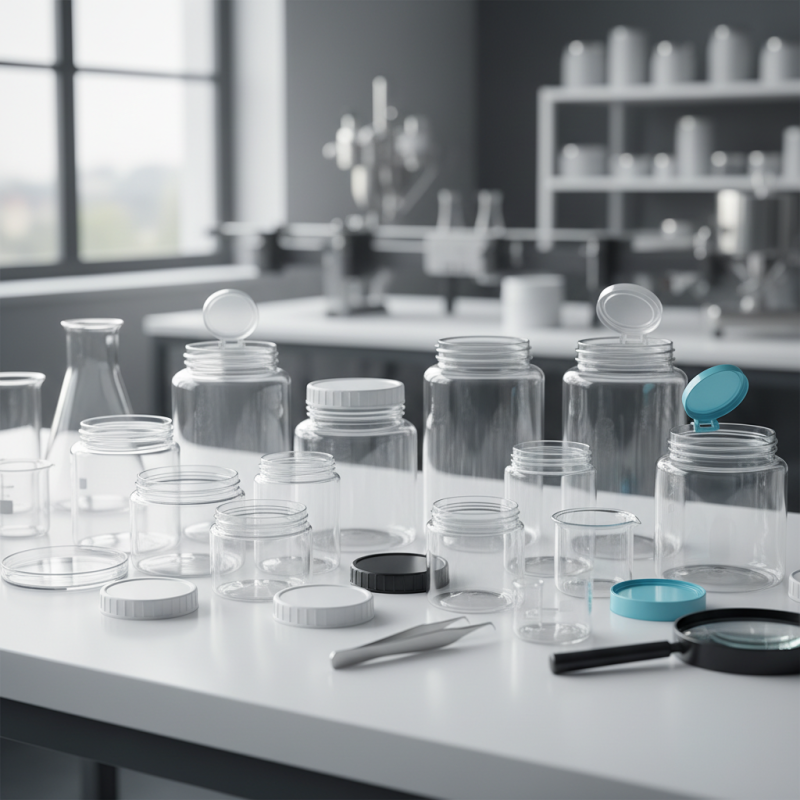
Understanding the Different Types of Plastic Jars Available in the Market
When exploring the world of plastic jars with lids, understanding the various types available is crucial. Different plastic materials offer distinct advantages and limitations. For instance, polyethylene (PE) jars are lightweight and resistant to moisture, making them ideal for food storage. In contrast, polypropylene (PP) jars are more durable and heat-resistant, which suits products that require sterilization. According to industry reports, the global market for plastic containers is projected to reach $50 billion by 2027, underlining the significance of making informed choices.
Consider the size and shape of the jar. A jar's dimensions can affect storage efficiency and shelf presence. Tall, slim jars can fit into narrow spaces while wide-mouth jars offer easy access. It's essential to assess your needs while selecting. Additionally, lid types vary significantly. Some jars feature twist-off lids, while others come with flip-top designs. Each type serves different purposes. Users often overlook the importance of proper sealing, which is vital for freshness retention.
Tips: Always check material compatibility with the intended content. Ensure the jar can maintain product integrity. Additionally, consider purchasing samples before making bulk orders. This allows you to assess quality without commitment. Remember, a well-chosen jar can enhance user experience and product shelf life. Every detail counts, from design to functionality.
Key Factors to Consider When Selecting a Plastic Jar with Lid
When selecting a plastic jar with a lid, you must consider several key factors. Material choice is crucial. High-density polyethylene (HDPE) is known for its durability. In contrast, polypropylene (PP) offers excellent chemical resistance. Studies show that these materials can withstand various temperatures, making them suitable for food storage.
Another factor to ponder is the jar's capacity. Plastic jars come in various sizes, from a few ounces to several gallons. In my experience, it's essential to determine your specific needs. A jar that's too small may lead to waste, while a jar that's too large could require excess packaging.
Lid design also warrants attention. Some lids provide airtight seals, while others are simply screw-on types. A 2019 report highlighted that airtight closures extend product shelf life by up to 30%. Examine whether you need a tamper-evident lid or a flip-top design for ease of access. Remember, the wrong choice can lead to spills or contamination, so careful consideration is necessary.
Evaluating Material Quality and Safety Standards for Plastic Jars
When choosing a plastic jar with a lid, material quality is crucial. Many jars are made from polyethylene or polypropylene. These plastics are durable and lightweight. However, not all plastics are created equal. Some can leach harmful chemicals, especially when exposed to heat or sunlight. It's essential to check if the jar is BPA-free.
Safety standards for plastic jars vary widely. In many regions, regulatory bodies set guidelines for food safety. Look for jars that comply with these standards. Certifications can offer peace of mind but often require a closer inspection. Not all products boldly display this information. It's wise to research thoroughly.
In addition to material, consider the jar's design. A tight-fitting lid prevents contamination and preserves contents. Check for easy-to-use features like wide openings. However, some jars may not seal tightly, leading to spoilage. Evaluate user reviews for real-world experiences. Remember, a well-chosen jar can make a difference in storage quality.
Choosing the Right Size and Shape for Your Specific Needs
Choosing the right size and shape for your plastic jars with lids is essential for their efficiency. Consider what you will store inside. Will it be liquids, solids, or powders? A jar for liquids needs a secure lid to prevent spills. A wide mouth allows easy access to chunky items. For fine powders, a narrow opening might be suitable.
Most people overlook the height and width of jars. Sometimes a tall, slim jar is easier to fit in cabinets. Other times, a short, squat jar is better for quick access. Think about the space you have. Measuring your shelves is important. You may find that some jars occupy more space than intended.
It’s also important to think about how often you will use the jar. If you need daily access, choose a jar design that doesn’t require extra effort to open. Reflecting on these factors can lead you to a better decision. You might realize that you underestimated the volume needed for your items. A jar that's too small means frequent refills. At the same time, an overly large jar could waste space and resources.
Best Practices for Maintaining and Cleaning Plastic Jars with Lids
Proper maintenance and cleaning of plastic jars with lids are crucial for longevity and hygiene. Many consumers underestimate the significance of keeping these containers clean. According to a 2021 report from the National Sanitation Foundation, about 75% of household containers harbor harmful bacteria. Without regular cleaning, plastic jars can become breeding grounds for pathogens.
To effectively clean plastic jars, use warm, soapy water. A gentle sponge does the job well. Avoid abrasive cleaners. They can scratch the surface, leading to wear and tear. These scratches can harbor bacteria more easily. A research article published in the Journal of Food Protection noted that improper cleaning can double the risk of contamination.
Storing food in improperly cleaned jars can lead to spoilage. It is vital to check the lids as well. Lids should fit tightly to prevent air and moisture entry. A loose lid can compromise the contents inside. When not in use, store plastic jars in a cool, dry place. Over time, high temperatures can warp plastic and damage seals. Prioritizing these best practices ensures your plastic jars remain safe and functional for longer.
The Ultimate Guide to Choosing Plastic Jar with Lid
This chart displays the top five considerations when choosing plastic jars with lids, along with their relative importance based on a survey of consumer preferences.
