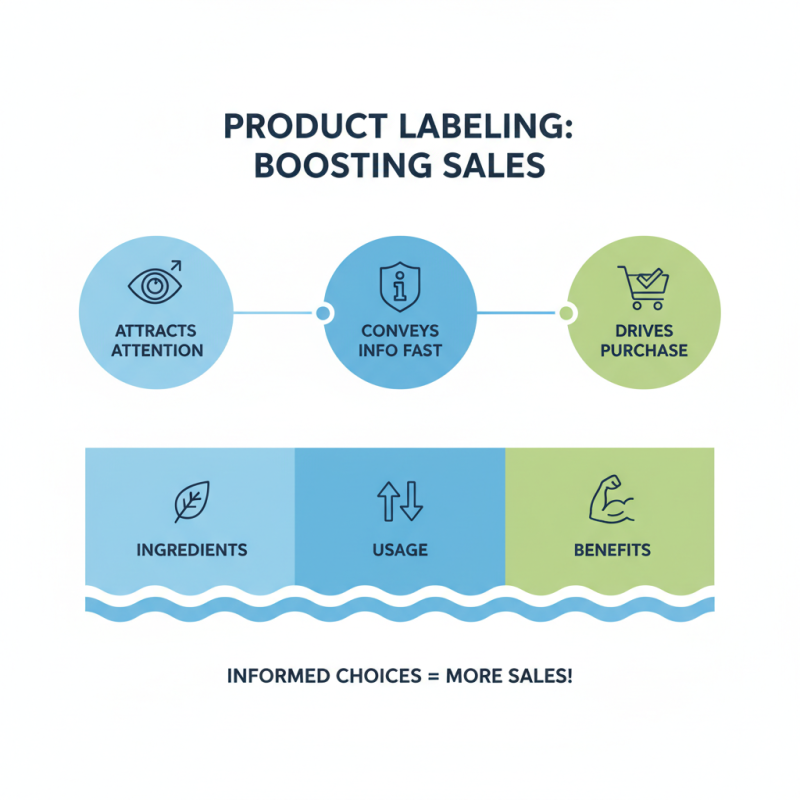
Why Businesses Should Label It Labels for Better Sales?
In today’s fast-paced market, businesses must prioritize effective labeling strategies. "Label it labels" is more than a catchy phrase; it embodies an essential practice for improving sales. According to Sarah Johnson, a labeling expert with over ten years in the industry, "Proper labeling can elevate a product's visibility and impact consumer choices." Companies need to pay attention to this crucial aspect.
Labels serve not only as a means of information but also as a marketing tool. A well-designed label can attract customers and convey brand values instantly. However, many businesses struggle to find the right balance between aesthetics and information. This often leads to missed opportunities. A cluttered label can confuse customers, while a bland design may go unnoticed.
Reflecting on current practices, some companies underestimate the power of clarity in labeling. An engaging label should tell a story and resonate with the target audience. Brands must explore innovative designs that communicate their uniqueness while adhering to regulatory requirements. Embracing "label it labels" principles can lead to better sales and, ultimately, brand loyalty.
Benefits of Product Labeling in Boosting Sales
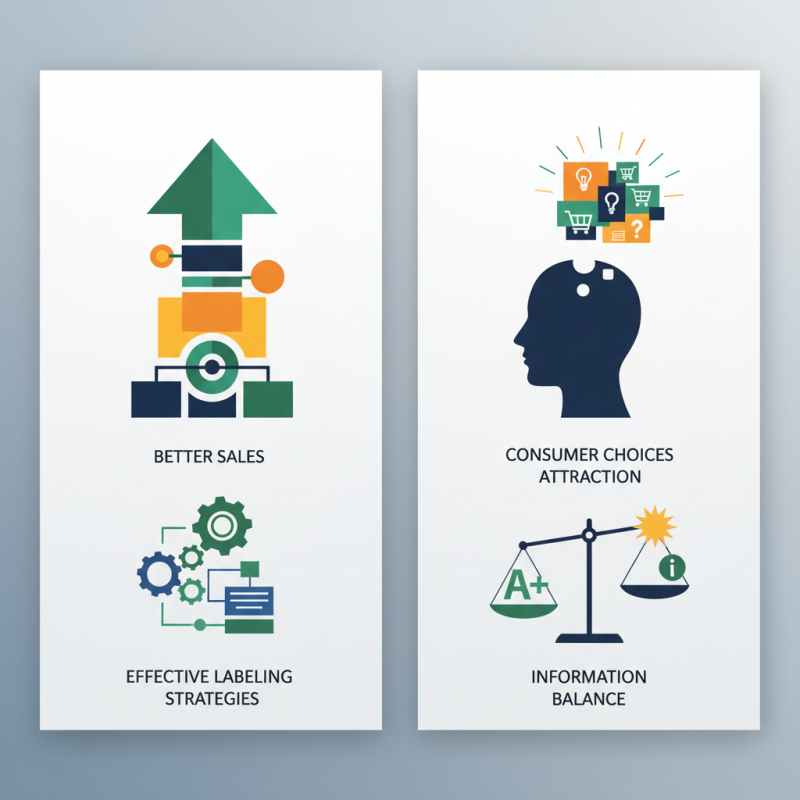
Product labeling plays a crucial role in sales. Well-designed labels attract attention. They can convey vital information quickly. A clear label helps consumers make informed choices. It gives them the details they need. Ingredients, usage instructions, and benefits should be prominently displayed.
Visual elements like colors and fonts matter significantly. A bright color can draw the eye. An easy-to-read font enhances comprehension. Labels that stand out can create a memorable image. However, businesses must avoid clutter. Too much information can confuse customers. Striking a balance is essential for effective communication.
Understanding target customers enhances labeling strategies. Labels should reflect their preferences and values. If the label resonates, it can build trust. An effective label not only informs but also persuades. This connection can lead to higher sales. Yet, some companies overlook the importance of regular updates. Outdated labels can create perceptions of neglect. Continuous improvement is vital for long-term success.
Impact of Clear Labels on Consumer Decision-Making
Clear labeling significantly enhances consumer decision-making. According to a study by the labeling industry, 75% of shoppers rely on labels when making a purchase. When labels clearly communicate product benefits, health information, and ingredients, consumers feel more confident. This confidence often leads to higher sales.
Research shows that poorly designed labels can lead to confusion. About 30% of consumers report misunderstanding key information due to vague wording or unclear graphics. Brands must consider how symbols and language impact choices. Ignoring label clarity may result in lost sales opportunities. The importance of straightforward, visually appealing designs cannot be overstated.
Additionally, studies indicate that product transparency correlates with customer trust. Brands that offer detailed and honest labeling achieve a 50% higher customer retention rate. While it's essential to engage with consumers, a cluttered label can overwhelm. Reflecting on the balance between information and simplicity is crucial for success.
Why Businesses Should Label It Labels for Better Sales? - Impact of Clear Labels on Consumer Decision-Making
| Label Type |
Consumer Preference (%) |
Purchase Likelihood (%) |
Understanding Score (out of 10) |
| Nutritional Facts |
85 |
75 |
9 |
| Sustainability Claims |
78 |
70 |
7 |
| Allergen Information |
90 |
80 |
9.5 |
| Usage Instructions |
82 |
73 |
8 |
| Origin of Ingredients |
75 |
65 |
6.5 |
Design Strategies for Effective Product Labels
Effective product labels are crucial for attracting customers. They serve as a silent salesperson,
communicating essential information quickly. A well-designed label can catch the eye and convey brand values.
This makes it an integral part of your marketing strategy.
Tips for label design include focusing on clarity. Use legible fonts and a simple layout.
Too much information can overwhelm. Choose colors that align with your brand identity.
Colors evoke emotions, influencing consumer behavior.
Consider the shape and size of your label as well. A unique shape can set your product apart on the shelf.
Reflect on the label’s durability too. If it fades or tears easily, it can detract from your product’s appeal.
Labels should not only look good but also last. Remember, design mistakes are learning opportunities.
Engage with your customers for feedback on label effectiveness. This insight can guide future changes and improve sales.
Regulatory Standards and Compliance in Labeling
In today's competitive market, compliance with regulatory standards in labeling is crucial. Companies face strict guidelines set by governmental agencies to ensure consumer safety and authenticity. According to a report by the International Organization for Standardization, up to 40% of product recalls are linked to labeling issues. This statistic highlights the importance of accurate and compliant information on product labels.
Labeling goes beyond mere aesthetics. It communicates essential details such as ingredients, safety warnings, and origin. Consumers are increasingly aware of these elements. Research from the Food and Drug Administration indicates that 63% of shoppers read labels before purchase. Proper labeling can enhance trust and drive sales, but it requires ongoing commitment. Businesses must regularly review their labels against current regulations, which can change frequently.
Non-compliance can lead to severe consequences, including financial penalties and damaged reputation. Businesses need experts who understand these regulations. Relying solely on standard practices can be risky. As regulations evolve, companies must ensure their labeling standards remain relevant. Continuous education and adaptation are vital in this ever-changing landscape.
Case Studies: Successful Labeling Practices in Business
Labeling can profoundly impact how consumers perceive products. A study showcased how a small organic tea brand rebranded its packaging. The new design highlighted the health benefits clearly and used vibrant colors. Sales increased by over 30% in just six months. Customers appreciated the clearer messaging, leading to loyal repeat purchases.
In another case, a local artisan bakery decided to revamp its labels. They included detailed ingredient lists and sourcing information. This transparency resonated with health-conscious consumers. Sales jumped by 25% within a quarter. However, not all labeling changes are successful. Some businesses rushed into redesigning labels without understanding their audience, resulting in confusion rather than connection.
These examples reveal the importance of thoughtful labeling. Brands need to consider not just aesthetics but also messaging. Labels should guide customers toward informed choices. A well-crafted label can be the key to better sales. Missteps in this area require careful reevaluation and audience insights. Balancing creativity with clarity is essential for effective communication.
Impact of Labeling on Sales Performance