
Why Are Labels and Labeling Important for Buyers?
When buyers compare products, they often begin with what they can see: the label. A clear label can identify an item, explain its material or contents, and show important handling or care details. These small printed or attached elements help shoppers distinguish similar products on a shelf or in an online listing. They matter.
For purchasing teams, labels and labeling make specifications, pack sizes, origin details, and dates easier to compare. Accurate information can reduce uncertainty, though it cannot replace product testing, supplier checks, or clear sales documentation. A label that says “recyclable,” for example, may still need context about local collection systems and packaging components. Legibility matters too: tiny type, low contrast, or crowded symbols can hide details buyers need.
Good labeling is more than attractive packaging; it is a practical communication tool that can influence confidence, usability, and purchasing decisions. Its value depends on whether claims are specific, current, and consistent with the product itself. In practical terms, a readable label can save time during receiving, storage, and routine product checks. No label answers everything. Buyers can treat it as one useful source, then consult technical sheets or ask suppliers when important questions remain. The discussion ahead examines what labels communicate, how buyers can assess them, and when closer supplier questions are worthwhile.
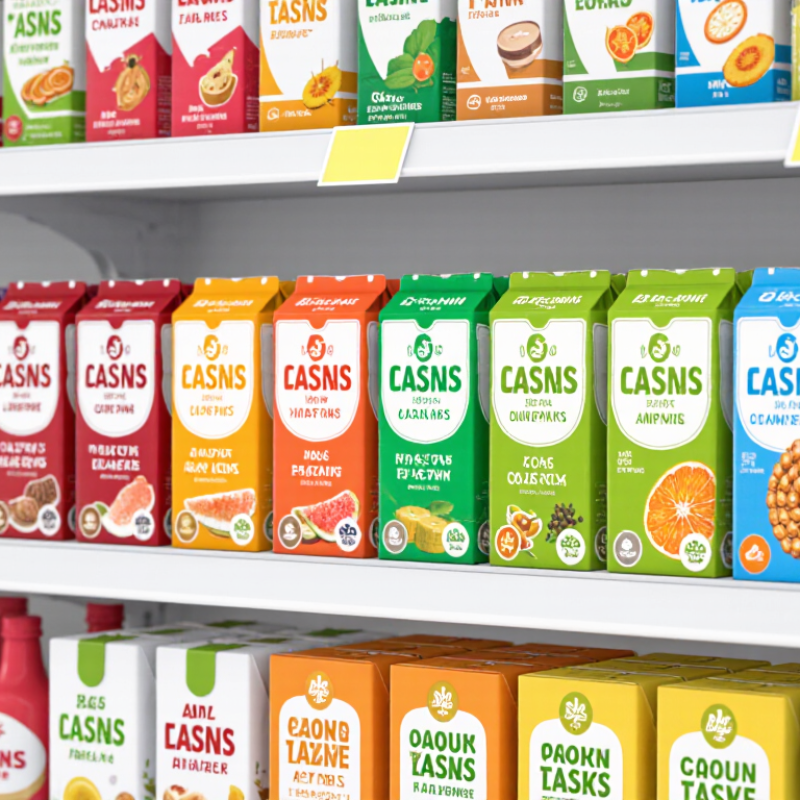
Food Labels and Allergy Safety: U.S. Rules Name 9 Major Allergens
Why Are Labels and Labeling Important for Buyers?
Food Labels and Allergy Safety: U.S. Rules Name 9 Major Allergens
Food labels help buyers spot ingredients that may trigger serious allergic reactions. In the United States, packaged foods covered by federal allergen-labeling rules must clearly declare major food allergens. The nine are milk, eggs, fish, crustacean shellfish, tree nuts, peanuts, wheat, soybeans, and sesame. An allergen may appear in the ingredient list or in a separate “Contains” statement. Small print matters. A “may contain” warning is voluntary, so its absence does not guarantee that cross-contact never occurred. Even careful shoppers can miss a change; a familiar package is not permanent proof of safety.
Tips: Check the label every time you buy a product, even if you know it well. Look at the full ingredient list, not only the front of the package. If a label is unclear, pause and ask the manufacturer or a health professional.
Recipes and packaging can change, and imported or specialty foods may present information differently. Labels are useful, but they cannot answer every question about preparation or accidental contact. For people with severe allergies, checking carefully is a practical habit, not a perfect safety net. It can feel repetitive. That small pause at the shelf may matter.
| Major allergen | Examples of foods or ingredients | What buyers should look for | Why clear labeling matters |
|---|---|---|---|
| Milk | Milk, whey, casein, butter, cheese | Check the ingredient list and any “Contains” statement for milk and milk-derived ingredients. | Milk ingredients can appear in foods that do not look or taste like dairy products. |
| Eggs | Egg white, egg yolk, albumin, mayonnaise made with egg | Look for the word “egg” in the ingredient list or “Contains: Egg.” | Egg ingredients may be used in baked goods, sauces, and other processed foods. |
| Fish | Salmon, cod, tuna, anchovy | The label must identify the fish species, such as “Contains: Salmon.” | Naming the species helps buyers check whether a particular fish is safe for them. |
| Crustacean shellfish | Shrimp, crab, lobster | The label must name the specific crustacean, such as “Contains: Shrimp.” | The specific name makes the source of the shellfish ingredient easier to identify. |
| Tree nuts | Almonds, walnuts, cashews, pistachios | The label must identify the specific tree nut, such as “Contains: Almond.” | “Tree nuts” alone does not tell buyers which specific nut is present. |
| Peanuts | Peanuts, peanut flour, peanut butter | Check for “peanut” in the ingredient list or “Contains: Peanut.” | Peanuts are a separate major allergen from tree nuts and must be identified accordingly. |
| Wheat | Wheat flour, semolina, bulgur, wheat starch | Look for “wheat” in the ingredient list or “Contains: Wheat.” | Wheat is a major allergen; a “gluten-free” claim is not a substitute for checking allergen information. |
| Soybeans | Soy flour, soy protein, tofu, soy sauce containing soy | Check for “soy” or “soybeans” in the ingredient list or “Contains: Soy.” | Soy-derived ingredients can be included in packaged foods under a variety of ingredient names. |
| Sesame | Sesame seeds, tahini, sesame oil, sesame flour | Check for sesame in the ingredient list or “Contains: Sesame.” Sesame has been a major allergen under U.S. law since January 1, 2023. | The requirement helps buyers identify sesame even when it is used as an ingredient rather than a visible topping. |
| Buyer checklist: Read the full ingredient list every time, even for familiar products, because ingredients and recipes can change. For FDA-regulated packaged foods, a major allergen must generally be identified in the ingredient list or in a separate “Contains” statement. “May contain” and similar cross-contact advisory statements are voluntary and do not replace required ingredient allergen labeling. When information is unclear, contact the food seller or manufacturer before buying or eating the product. | |||
Related Posts
-

Top 10 Benefits of Using Preprinted Labels in Business Operations?
-
How to Use Preprinted Labels for Easy Organization and Efficient Labeling?
-

Why is Label Making Essential for Your Global Sourcing Needs?
-

Why Are Personalized Labels Important for Branding and Marketing?
-
2026 How to Choose the Right Labels and Labeling Solutions?
-

China Best Printing Labels Manufacturer or Supplier?