Best China Produce Labels for Global Sourcing Needs?
In an increasingly interconnected world, sourcing fresh produce from China has become essential for global markets. The complexity of this task lies in navigating the myriad of "produce labels" associated with various products. Renowned industry expert Dr. Emily Chen emphasizes, "Understanding produce labels is key to ensuring quality and compliance." Her insights highlight the importance of clarity in this complex landscape.
Produce labels provide essential information about origin, quality, and safety standards. They guide consumers and businesses alike in making informed choices. However, inconsistencies can arise. Some labels may lack crucial details or misrepresent the product. This can lead to confusion and mistrust among buyers, ultimately affecting the supply chain's integrity.
At the same time, it's vital to recognize the advancements in labeling technology. Smart labels and QR codes are emerging, enriching the consumer's experience. But not all companies adopt these trends. A reliable produce label system should not only inform but also inspire confidence. Current systems still have room for improvement, raising the question of how to standardize labeling practices across borders.
Identifying Essential China Produce Labels for Global Sourcing
When considering global sourcing, understanding the right produce labels from China is crucial. Clear labeling ensures that products meet safety and quality standards. Essential labels include country of origin, production date, and expiration date. These elements provide transparency and help build trust between suppliers and buyers.
Proper labeling also aids in compliance with various regulations. It can be challenging to navigate these requirements, particularly for new importers. Misleading or unclear labels can lead to costly delays or product recalls. Taking the time to verify labels can prevent potential issues down the line. However, it is not always easy to find reliable sources for this information.
Buyers should actively seek guidance from logistics experts or industry consultants to ensure accuracy. Engaging in dialogue with suppliers can clarify expectations and requirements. It is vital to create a network of trusted contacts. Good communication will lead to better sourcing practices in the long run. Sourcing without adequate knowledge can be a risky endeavor, necessitating diligence and ongoing education.
Understanding the Importance of Accurate Labeling in Sourcing
Accurate labeling is vital in global sourcing. Mislabeling can lead to significant financial losses. A recent study from a supply chain management firm revealed that incorrect labeling costs companies up to 5% of their annual revenue. Inaccurate information can lead to delays, compliance issues, and negative customer experiences.
The complexity of sourcing from China adds another layer of necessity for precise labels. Each product category has specific requirements. For example, food products must have detailed nutritional information, while electronics need safety certifications. The International Organization for Standardization states that compliant labeling practices can enhance product traceability. This not only helps in streamlining operations but also fosters consumer trust.
Despite advancements, there are still frequent lapses in labeling accuracy. Reports indicate that nearly 30% of products entering global markets face labeling inconsistencies. Regular audits and a robust monitoring system can mitigate these risks. Sourcing decisions should incorporate these quality checks to avoid oversights that could damage brand reputation.
Key Regulations Governing Produce Labels in China
When navigating the diverse landscape of produce labeling in China, understanding key regulations is essential. China has specific rules governing labels for fruits and vegetables. Details such as product name, origin, and quality grade must be clear. Accurate labeling helps ensure compliance and can enhance product credibility in international markets.
Knowing the local language is crucial. Labels should not only meet legal standards but also resonate with consumers. This can be a challenge for global sourcing teams. Misinterpretations or inaccuracies can lead to distrust. Consider hiring bilingual experts to review labels.
Testing and certification are often required. Conduct thorough checks to ensure the label’s information is correct. These processes can sometimes be overlooked or rushed, leading to potential setbacks. Regular audits of label compliance can prevent surprises. Always take time to reflect on the packaging design and labeling strategy. A thoughtful approach contributes to smoother international trade relations.
Challenges in Interpreting Chinese Produce Labels for International Buyers
Interpreting Chinese produce labels poses significant challenges for international buyers.
The complexity of local labeling regulations often creates confusion.
For instance, a report by the China National Center for Food Safety Risk Assessment revealed that
40% of imported goods faced issues related to labeling compliance. This statistic highlights the need
for buyers to thoroughly understand local standards.
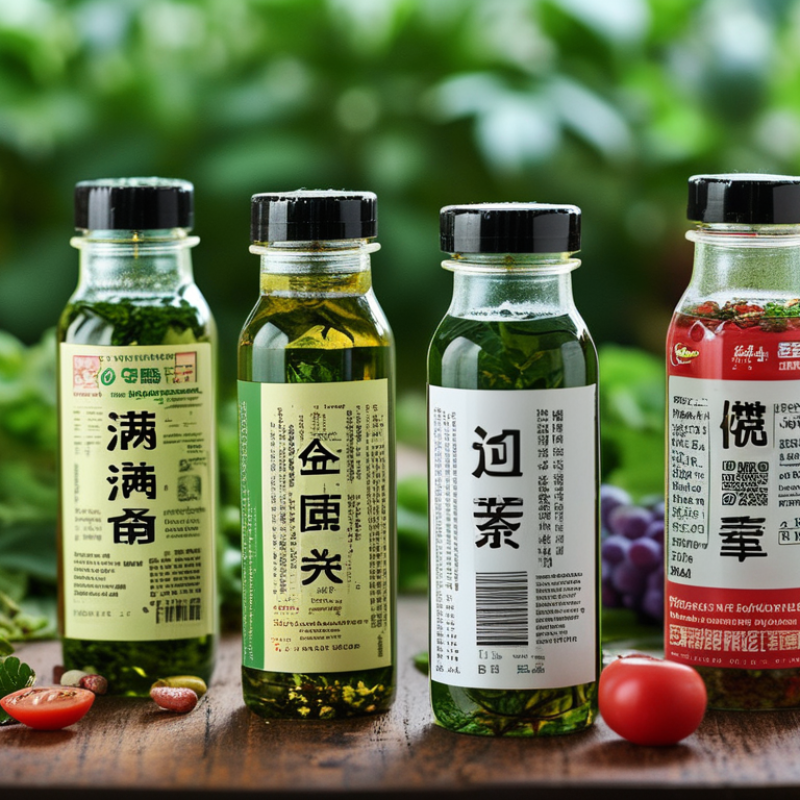
Language barriers further complicate the situation. Many labels use intricate Chinese characters,
making it hard for non-native speakers to comprehend core information.
For example, critical details such as expiration dates or storage instructions can be easily overlooked.
According to the Food and Agriculture Organization, misinterpretation of such information can lead
to safety risks and financial losses.
In addition, cultural nuances play a role in how product information is presented. Buyers may face
ambiguity in terms of quality indicators or sourcing origins. Industry experts emphasize the importance
of continuous education in label interpretation. While resources exist, many international buyers
still struggle to navigate this landscape. By enhancing awareness and understanding, buyers
can mitigate risks associated with Chinese produce labels.
Best Practices for Sourcing Produce with Compliance and Transparency
Sourcing produce from China involves navigating a complex landscape of compliance and transparency. A recent report by the International Trade Center highlights that 78% of consumers prioritize traceability in their food purchases. This demand for transparency requires suppliers to adopt stringent labeling practices. Accurate labels not only convey essential information but also enhance consumer trust.
For effective sourcing, consider these practices: Ensure that all produce is labeled with clear country of origin and production methods. This information helps in verifying compliance with international standards. Regular audits are key. Shoppers are increasingly seeking out certifications, with 65% willing to pay more for sustainably sourced products. Keeping abreast of regulatory changes in your sourcing regions is vital.
Emphasizing transparency can foster long-term relationships with buyers. However, the challenge remains that not all suppliers maintain strict adherence to labeling regulations. Addressing these gaps requires ongoing communication and education. Simplifying complex information on labels can bolster consumer understanding. It’s essential to engage with suppliers who prioritize accuracy and ethical sourcing.
Best China Produce Labels for Global Sourcing Needs
| Produce Type |
Label Type |
Certification Body |
Compliance Standards |
Transparency Features |
| Apples |
Organic |
USDA |
NOP |
QR Code, Traceability |
| Cucumbers |
Fair Trade |
Fair Trade USA |
Fair Trade Standards |
Blockchain, Auditing Reports |
| Green Beans |
Non-GMO |
Non-GMO Project |
Non-GMO Standards |
Labeling Guide, Traceability |
| Tomatoes |
Sustainable |
Rainforest Alliance |
Sustainable Agriculture |
Traceability, Carbon Footprint |
| Lettuce |
Certified Naturally Grown |
CNG |
Natural Farming |
Farm Audits, Product Tracking |