Digital Labels for You How to Choose the Best Options?
In the world of product branding, choosing the right labels for you is crucial. According to branding expert John Smith, "The right label tells your story." This insightful quote emphasizes the power of labels in shaping consumer perceptions.
Digital labels have transformed how businesses present their products. From vibrant colors to intricate designs, these labels grab attention. However, selecting the best option can be tricky. You must consider material, durability, and aesthetic appeal. Each choice impacts your brand image and consumer experience. Many companies often overlook the importance of these details.
As you navigate the diverse landscape of digital labeling, reflect on your brand's unique identity. What do you want your labels to convey? Are you prioritizing sustainability or exceptional design? These questions guide your decisions. The perfect label should resonate with your audience while telling a compelling story. In this dynamic industry, thoughtful choices are essential for creating lasting impressions.
Understanding Digital Labels: Definition and Importance
Digital labels have gained traction in various industries due to their flexibility and functionality. These labels are designed to be easily updated, offering real-time information about products or services. According to a 2022 report by Smithers, the digital label market is expected to reach $12.4 billion by 2027, fueled by increasing demand for customization and direct-to-consumer strategies.
Understanding the importance of digital labels involves recognizing their role in enhancing operational efficiency. Businesses can cut costs by eliminating the need for physical inventory changes. A survey by the Label Manufacturers Association found that 68% of companies reported increased efficiency through the use of digital labels. This improvement often comes with a reduction in waste, aligning with sustainability goals that many brands are striving for.
However, not all digital labeling solutions are created equal. Companies must assess their unique needs before choosing a solution. Factors such as integration capabilities with existing systems and the quality of print are essential to consider. Digital labels also require ongoing management. Some businesses find it challenging to keep the information updated, leading to confusion among consumers. It's important to evaluate how well a solution balances ease of use with the need for frequent updates.
Types of Digital Labels: Exploring Various Options Available
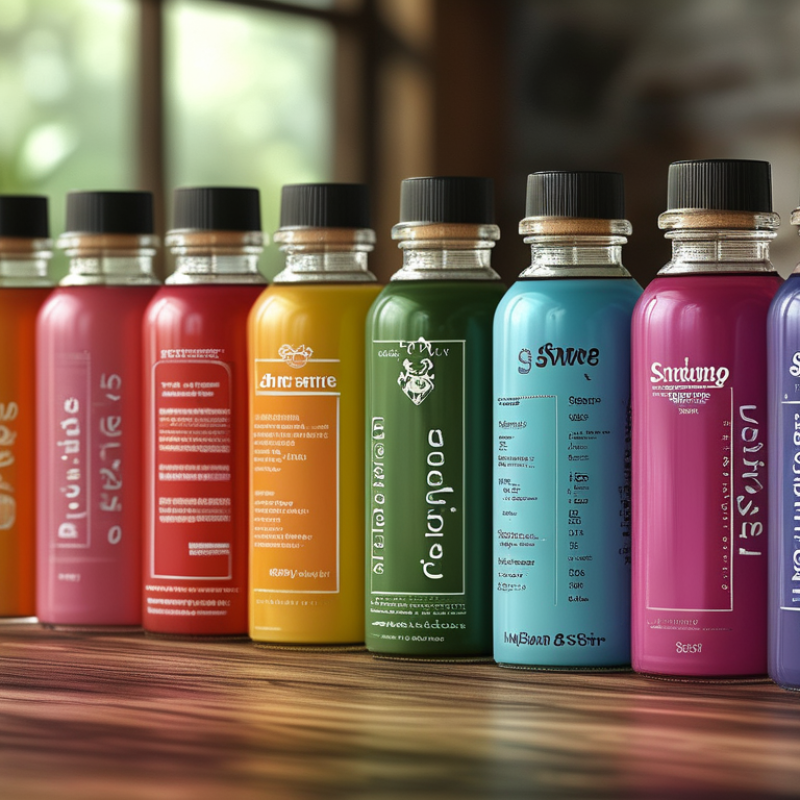
Digital labels come in various forms, each unique to different business needs. Common types include paper, synthetic, and flexible labels. Paper labels are cost-effective and ideal for short runs. Conversely, synthetic labels are durable and resistant to moisture, making them suitable for outdoor products. Flexible labels offer versatility, adapting easily to different shapes.
According to a report by MarketsandMarkets, the digital label market is projected to reach $48.95 billion by 2026. This growth suggests a strong shift towards digital solutions in labeling. Many companies find that digital labels enhance branding. They provide clear, vibrant graphics, improving customer engagement.
Yet, choosing the right label isn't straightforward. Businesses must consider their specific requirements. Factors like production volume and environmental conditions play a critical role. Reflecting on these needs can lead to better decision-making. Often, organizations realize too late that their initial choices don't align with their long-term goals.
Factors to Consider When Choosing Digital Labels
Choosing digital labels can significantly impact your business's branding and operational efficiency. Consider several factors before deciding on the right option. First, assess the type of material you need. Different materials offer various levels of durability and flexibility. For instance, vinyl labels resist moisture and are perfect for outdoor use, while paper labels might suit indoor applications better. Think about where you will use these labels and what conditions they need to endure.
Next, consider the design capabilities. Customization options are essential because they allow your brand to stand out. Evaluate the ease of integrating your branding elements, such as colors, logos, and fonts. It’s crucial to select a service that provides high-quality printing, as blurry or faded labels can hurt your professionalism. The user interface of the design software should also be easy to navigate; a complicated platform can lead to frustration and time loss.
Lastly, reflect on the sustainability of your choice. Many companies are shifting toward eco-friendly materials. This can enhance your brand reputation and appeal to conscious consumers. However, ensure that these materials do not compromise the quality and functionality of your labels. Balancing these aspects can be challenging, but taking the time to evaluate your options will lead to more informed decisions.
Digital Labels for You: How to Choose the Best Options?
| Factor |
Description |
Importance (1-5) |
| Material Quality |
The durability and finish of the label material. |
5 |
| Print Quality |
Clarity of text and images in the printing. |
5 |
| Customization Options |
Flexibility in design and size according to needs. |
4 |
| Cost |
Overall pricing, including bulk order discounts. |
4 |
| Sustainability |
Environmental impact of materials used. |
4 |
| Supplier Reliability |
Trustworthiness and responsiveness of the supplier. |
5 |
| Lead Time |
Time taken to produce and deliver the labels. |
3 |
Evaluating Quality: Materials and Printing Techniques
When selecting digital labels, the materials and printing techniques play a crucial role in ensuring quality. According to the Pressure Sensitive Tape Council, the label's durability is highly influenced by the substrate used. Options like vinyl, polyester, and polypropylene each have distinct characteristics. Vinyl, for example, offers excellent resistance to moisture and UV light. However, its environmental impact is something brands need to consider.
Printing technology also significantly affects the end product. Flexographic printing remains popular for its speed and versatility. However, it can sometimes compromise on fine details, especially with intricate designs. Digital printing, on the other hand, provides high-resolution outputs and can accommodate more complex imagery. Research from Smithers Pira indicates that digital printing will account for 30% of the market share by 2025. Brands must weigh the pros and cons of each method.
Quality isn't just about materials or techniques; it's about the entire process. Consistent quality control measures are essential. Regular inspections can help identify flaws early. It’s essential to consider supplier reliability and past performance when choosing a provider. A poor choice can lead to wasted resources and negative customer experiences. Therefore, careful thought and evaluation are necessary for optimal outcomes.
Cost-Effectiveness: Budgeting for Digital Labels
When budgeting for digital labels, cost-effectiveness plays a crucial role. According to a recent report by Smithers Pira, companies can save up to 30% on production costs by switching to digital printing. This shift allows for reduced setup times and lower waste, making it an attractive option for businesses. For instance, smaller production runs can now be economically viable, which was not the case with traditional methods.
However, it is essential to consider the initial investment. Digital label printers can be expensive, often ranging from $15,000 to $350,000. Additionally, associated costs, such as software and materials, can add up. While the long-term savings are significant, companies must assess their specific needs and production volume. A misalignment here could lead to either overspending or inefficiency.
Flexibility is another factor worth noting. Digital labels can be customized easily, accommodating changes in marketing trends or regulations. Yet, this requires an understanding of design capabilities and consumer behavior. Businesses can struggle with finding the right balance between customization and cost. By carefully evaluating these elements, companies can maximize their return on investment while ensuring quality and compliance.
Cost-Effectiveness of Digital Labels: Budgeting for Digital Labels