China Top Eco Friendly Labels Manufacturers

China has become a major sourcing hub for eco friendly labels, serving clothing, food, cosmetics, logistics, and retail brands worldwide. Its manufacturers offer paper, recycled polyester, cotton, kraft, and biodegradable label options. However, material claims require careful verification.

A reliable supplier should explain fiber content, adhesive composition, printing methods, and production controls clearly. Factory experience matters, especially when labels must survive washing, moisture, friction, or refrigerated storage. Ask for product samples, test reports, certification records, and traceable material documentation before making purchasing decisions. Small details matter.

Leading manufacturers often support custom sizes, woven designs, recycled papers, water-based inks, and low-waste production processes. Their capabilities may differ widely. Some factories excel at premium garment labels, while others focus on packaging labels or high-volume orders. Comparing equipment, quality procedures, minimum quantities, and delivery performance can prevent expensive surprises.

Still, no supplier is perfect. Sustainability claims can sound stronger than the available evidence. A label described as “green” may use only partially recycled materials. That limitation deserves attention. Buyers should review the complete product lifecycle, including packaging, transport, durability, and disposal conditions. This introduction examines China’s top eco friendly labels manufacturers through practical sourcing criteria, material transparency, customization ability, and quality reliability. It aims to help importers and brand owners make informed decisions, while recognizing that environmental performance depends on both factory practices and final product use.
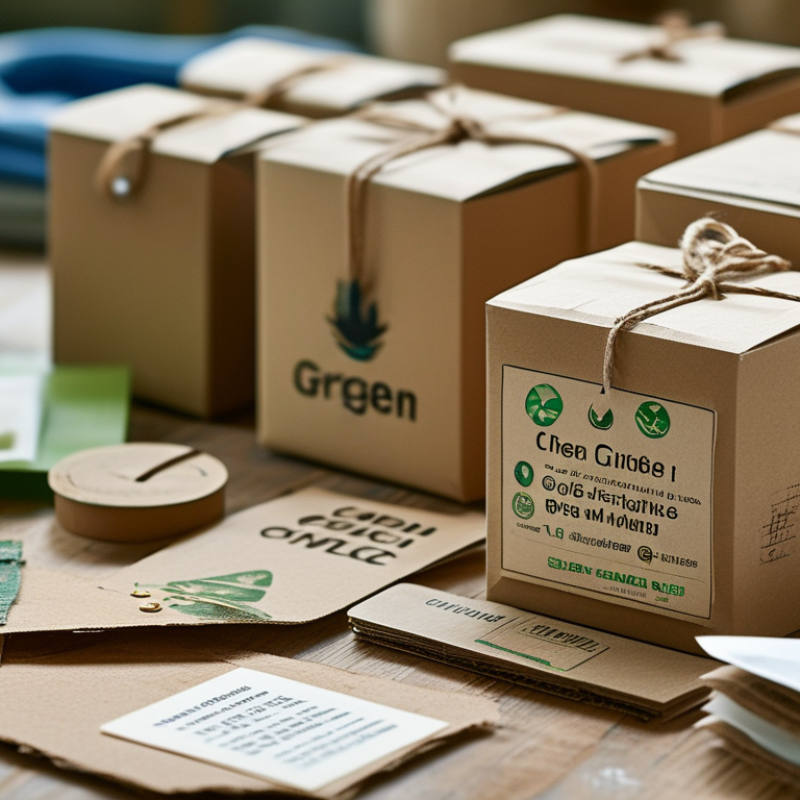
China Top Eco Friendly Labels Manufacturers

Definition and Role of Eco-Friendly Labels in Modern Packaging

China Top Eco Friendly Labels Manufacturers

Eco-friendly labels are packaging components designed to reduce environmental impact across their life cycle. They may use recycled paper, responsibly sourced fibers, water-based inks, or low-impact adhesives. Their role is broader than decoration. A label communicates material information, disposal guidance, product traceability, and verified environmental claims.

The OECD Global Plastics Outlook (2022) reports that packaging creates about 40% of global plastic waste. This makes label design a practical intervention, not a minor detail. A recyclable package can still lose value when its label uses incompatible film or adhesive. ISO 14021 also stresses that environmental claims must be clear, specific, and supportable. Vague words create confusion. Real testing matters. Manufacturers should assess fiber content, ink coverage, adhesive separation, and performance during recycling trials. One weakness remains: many “green” labels lack consistent end-of-life data. That deserves more scrutiny.

Tips

Ask for recycled-content evidence and supplier test records. Check whether the label separates cleanly during pulping or reprocessing. Use disposal instructions that match local facilities, not ideal assumptions. Keep claims measurable, such as “30% post-consumer fiber,” instead of broad language. Small labels need discipline. A tiny symbol can mislead millions of buyers. Reviewing the whole package system is wiser than judging the label alone.

Key Materials Used by China’s Sustainable Label Manufacturers

China Top Eco Friendly Labels Manufacturers

Key Materials Used by China’s Sustainable Label Manufacturers

China’s sustainable label manufacturers use recycled paper for many garment, food, and packaging applications. Post-consumer fibers reduce virgin material demand, but they can weaken during humid storage. A practical label specification should include paper thickness, tear strength, and moisture resistance. Recycled paper is not automatically suitable.

Bamboo fiber and agricultural waste fibers, such as bagasse, offer additional options. Their natural texture creates a warm, unbleached appearance. However, fiber consistency may vary between production batches. Manufacturers should check surface smoothness before approving fine text or detailed graphics. Small samples matter.

Water-based inks can reduce solvent exposure during printing. Vegetable-based inks may support a lower-impact production process, though their performance depends on drying conditions. For adhesive labels, manufacturers commonly evaluate water-based adhesives and recyclable backing papers. Cellulose films and compostable polymers can replace conventional plastic films in selected uses. They still require suitable industrial conditions and clear disposal guidance.

Responsible sourcing also depends on traceability. Buyers should request material declarations, batch records, recycled content evidence, and performance test results. Independent testing can verify color fastness, peel strength, and aging resistance. Some “green” materials perform poorly when exposed to water or heat. That is an uncomfortable detail, but it deserves attention. A sustainable label should work throughout its intended life, not only appear responsible on a product sheet.

Manufacturing Processes for Eco-Friendly Labels in China

China’s eco-friendly label manufacturers are improving production through material selection, efficient printing, and responsible waste control. Many factories use recycled paper, FSC-certified stock, water-based inks, and compostable films when suitable. The process usually begins with artwork review, where technicians check color limits, adhesive performance, and label size. Small details matter. A poorly matched adhesive can increase waste during application.

Modern production often combines flexographic or digital printing with controlled drying systems. These methods can reduce setup waste, especially for short and medium runs. After printing, labels may receive coating, laminating, die-cutting, and inspection. Operators check color consistency, edge accuracy, roll tension, and surface defects. Experienced teams also test labels under moisture, heat, and friction. However, not every “green” material performs well in every environment. That limitation deserves honest testing.

Tips: Ask for material samples before ordering. Request details about recycled content, ink type, adhesive composition, and production waste handling. Compare performance, not only environmental claims. Suppliers should provide test records, clear specifications, and realistic lead times. A factory may improve sustainability through water recycling and scrap separation, yet imperfect sorting can still occur. Regular audits and practical feedback help correct these gaps.

China Top Eco Friendly Labels Manufacturers - Manufacturing Processes for Eco-Friendly Labels in China

Manufacturing Process Common Eco-Friendly Substrate Typical Ink or Coating Key Production Steps Environmental Advantage Important Quality Controls Typical Applications
Water-Based Flexographic Printing FSC-certified paper, recycled paper, and uncoated paper stocks Water-based inks; water-based varnish when required Artwork preparation, plate making, web feeding, multi-color printing, drying, inspection, die-cutting, and rewinding Suitable for paper recycling when the adhesive, ink, and release liner are compatible with the local recycling system Color density, registration, drying performance, rub resistance, adhesive bonding, and barcode readability Food packaging, cosmetics, retail packaging, logistics, and household products
Digital Inkjet Label Printing Recycled paper, FSC-certified paper, and selected recyclable filmic stocks Water-based or low-migration digital inks, depending on end use Prepress file checking, variable-data setup, digital printing, optional coating, die-cutting, slitting, and final inspection No printing plates are required and short runs can reduce setup waste and obsolete inventory Ink adhesion, color consistency, drying, fine-text reproduction, variable-data accuracy, and scannability Short-run packaging, seasonal products, customized labels, prototypes, and serialized labels
Recycled Paper Label Converting Post-consumer or post-industrial recycled paper with documented fiber content Water-based, soy-based, or other process-compatible inks Paper sourcing, moisture conditioning, printing, coating if needed, adhesive application, die-cutting, and roll or sheet packing Uses recovered fiber and can support paper recycling when contamination and incompatible components are controlled Fiber-content documentation, basis weight, moisture, caliper, curl, surface strength, and die-cut accuracy Shipping cartons, paper bags, apparel tags, beverage carriers, and general product packaging
Recyclable Polyolefin Film Label Production PE or PP film designed to match the recycling stream of the primary package Low-migration UV, water-based, or solvent-based ink selected for the application Film unwinding, surface treatment when required, printing, adhesive coating or lamination, curing, die-cutting, and slitting A compatible PE or PP label can improve package recyclability compared with a label made from a different polymer family Film thickness, corona treatment, ink adhesion, shrinkage, adhesive compatibility, peel behavior, and package sorting requirements Flexible pouches, bottles, personal-care containers, household products, and refrigerated packaging
Wash-Off Adhesive Label Manufacturing Paper or film facestock selected for container-washing conditions Water-based inks with an adhesive engineered for alkaline washing systems Printing, adhesive coating, drying, die-cutting, roll finishing, and wash-off performance testing Labels can be removed during container washing, supporting reuse or recycling of suitable glass and plastic containers Adhesion before washing, clean removal, adhesive residue, soak time, temperature resistance, and container compatibility Reusable glass bottles, returnable beverage containers, and selected reusable packaging systems
Compostable Label Production Paper, cellulose film, or certified compostable film where the complete label system is suitable Compostability-compatible inks and coatings verified for the intended certification route Substrate selection, printing, adhesive application, drying or curing, die-cutting, inspection, and certification documentation Can biodegrade in a defined industrial or home-composting environment when the full label construction meets the applicable requirements Disintegration, biodegradation, ecotoxicity, ink and adhesive suitability, moisture resistance, and correct disposal instructions Compostable food packaging, organic-product packaging, produce labels, and selected bio-based products
Waterless or Low-Waste Offset Printing Paperboard, recycled paper, and premium paper label stocks Vegetable-oil-based or low-migration inks, with coating selected for the final use Plate preparation, sheet or web feeding, color printing, drying, coating, die-cutting, and quality inspection Waterless offset can reduce fountain-solution use; optimized setup and nesting can reduce material waste Dot gain, registration, color control, drying, surface scuffing, dimensional stability, and substrate cleanliness Premium cartons, wine and beverage labels, cosmetics, specialty foods, and gift packaging
Laser and Precision Die-Cutting Paper, recycled paper, cellulose film, and selected recyclable synthetic materials No additional ink is required for the cutting operation Printed-web alignment, digital cutting or rotary die-cutting, matrix removal, waste separation, inspection, and rewinding Digital cutting is useful for short runs and complex shapes because it reduces tooling requirements and setup waste Edge quality, cut depth, liner integrity, matrix removal, dimensional tolerance, and roll winding tension Small batches, intricate shapes, promotional labels, prototypes, and variable-format packaging
Finishing and Sustainable Packaging Preparation Finished paper, recycled paper, PE, PP, cellulose, or other approved label materials Optional aqueous coating, matte coating, or uncoated finish Slitting, roll inspection, core insertion, batch identification, protective packing, palletizing, and shipment preparation Right-sized packaging, recycled transport materials, and efficient nesting can reduce handling and packaging waste Roll diameter, splice control, winding tension, label count, packing integrity, traceability, and export documentation All label formats requiring roll, sheet, or fan-fold delivery

Note: Environmental performance depends on the complete label construction, including the facestock, ink, coating, adhesive, liner, packaging, and the waste-management system available in the destination market.

How to Evaluate China’s Top Eco-Friendly Label Suppliers

How to Evaluate China’s Top Eco-Friendly Label Suppliers

Choosing an eco-friendly label supplier requires more than checking a green logo. Review the material source, adhesive type, ink system, and production process. Ask for current certificates, recycled-content records, and test reports from recognized laboratories. A reliable manufacturer should explain where paper, film, and liner materials come from. Vague answers deserve caution.

Request physical samples before placing a large order. Check color consistency, edge cutting, adhesive strength, and resistance to moisture. A label may look sustainable but fail on cold packaging or humid storage. Compare the sample with the factory’s mass-production plan. Sometimes the sample uses better materials. This is easy to miss. A factory visit, video audit, or independent inspection can reveal waste sorting, wastewater handling, and actual equipment conditions. Also review lead times, minimum order quantities, quality controls, and corrective-action records.

Tips: Ask suppliers to show batch traceability. Verify certificate expiry dates. Test labels in real storage conditions. Do not accept “fully biodegradable” claims without clear standards and disposal guidance. Suppliers should provide written specifications, not only sales promises. A strong evaluation also includes communication quality. Can the team explain limitations honestly? That matters. Sustainable production is rarely perfect, and transport distance, packaging, and production waste still require reflection.

Applications and Market Trends for Sustainable Labels

China Top Eco Friendly Labels Manufacturers

Applications and Market Trends for Sustainable Labels

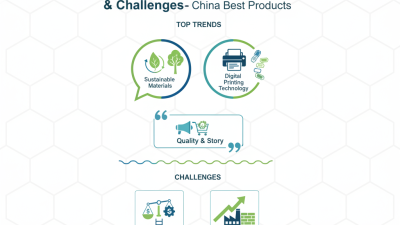
Sustainable labels are moving from niche packaging into everyday products. Food jars, clothing, personal care items, and shipping cartons now use recycled paper, plant-based films, or water-based adhesives. Manufacturers in China are improving material consistency while reducing ink, coating, and production waste.

In practical projects, label selection depends on moisture, temperature, shelf life, and recycling systems. A paper label may suit a dry carton but fail on a chilled bottle. Compostable films can support certain applications, yet they need suitable disposal facilities. That detail is often overlooked. Buyers should request test reports for adhesion, abrasion, migration, and recyclability before approving large orders.

Market demand is shifting toward lighter labels, digital printing, and traceable material content. Short production runs help smaller companies test seasonal packaging without excessive inventory. QR codes can show fiber sources, disposal instructions, or production data. Useful, but not perfect. Digital information cannot repair poor local recycling access.

Manufacturers are also exploring linerless labels and thinner release liners. These options may reduce transport weight and factory waste. However, thinner materials can tear during application or storage. Real-world trials matter more than attractive samples. Experienced suppliers usually compare pilot results across humidity, handling speed, and surface types before recommending a final structure.