Where Can I Get Labels Printed Online?
When you search “i need labels printed,” the number of online options can feel overwhelming. You may find roll labels, sheet labels, waterproof stickers, thermal labels, and custom packaging products. Each option serves a different purpose. A shipping label needs clear barcodes. A product label may need stronger adhesive, sharper color, or resistance to moisture. The right choice starts with your application, not the cheapest price.
Industry consultant Kevin Jackson says, “A label is part of the product experience, not merely a piece of paper.” That perspective matters when comparing online printers. Look for clear material specifications, downloadable templates, digital proofs, and transparent delivery estimates. Check whether the printer supports your required size, finish, adhesive, and quantity. A small sample order can reveal problems with color, peeling edges, or poor alignment. It feels slower. It can prevent an expensive reprint.
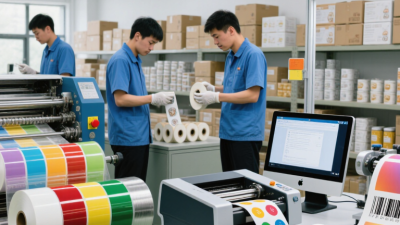
Reliable online printers also explain their production process. They should identify ink types, label materials, finishing options, and quality checks. If your labels touch food, cosmetics, or other regulated products, confirm that the materials suit the intended use. Do not rely on attractive photographs alone. Ask for technical details. Customer reviews can help, but they are not perfect evidence.
I have learned that convenience can hide uncertainty. A low quote may exclude setup costs or shipping. An impressive preview may not match the final color. Compare complete quotes, request a proof, and keep your artwork in a professional format. With careful checking, finding where to get labels printed online becomes a practical purchasing decision, rather than a frustrating guess.
What Online Label Printing Services Offer
Online label printing services now offer more than basic ink on adhesive paper. Most provide browser-based design tools, ready-made templates, and custom sizing options. You can upload a logo, adjust text, and preview the layout before payment. A clear preview helps catch small problems, such as clipped letters or uneven spacing.
Material choice matters. Paper labels suit boxes, envelopes, and indoor storage. Waterproof film works better for bottles, jars, and products exposed to moisture. Check the adhesive type, surface compatibility, and expected temperature range. Some services provide sample packs, which are useful when color accuracy or texture affects your packaging. A digital proof is helpful, but it may not match the final label perfectly on every screen.
Look for services that explain their production process and delivery times clearly. Reliable providers show finish options, roll or sheet formats, quantity discounts, and replacement policies. Customer support should answer practical questions about file resolution, bleed, and barcode readability. I still find that choosing the cheapest option can create avoidable waste. A low price may hide limited material choices or weak adhesive. Test a small batch first. Examine the corners after handling, rubbing, and mild moisture. Keep the approved proof and order details for future reprints. Small records prevent inconsistent labels when a design changes later.
Where Can I Get Labels Printed Online?
Online label printing services commonly support several standard formats for shipping, product identification, packaging, and address labeling.
The chart compares commonly used label dimensions in inches. Larger formats are generally suited to shipping and logistics, while smaller formats are often used for products, packaging, and addresses.
How to Choose the Right Online Label Printer
Where Can I Get Labels Printed Online?
How to Choose the Right Online Label Printer
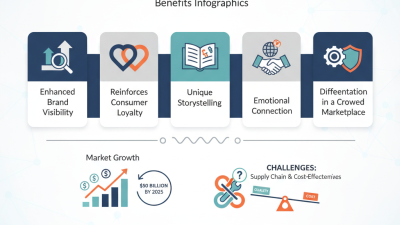
Choosing an online label printer involves more than comparing prices. Check material options, adhesive strength, color accuracy, and delivery controls. A printed label should survive handling, moisture, and shelf friction. Grand View Research estimates the global printed labels market reached about $43.16 billion in 2023. Its report also projects a 4.8% compound annual growth rate through 2030. This growth reflects stronger demand for flexible, customized packaging. Still, market growth does not guarantee good service.
Request a physical proof before ordering hundreds of labels. Inspect small text, barcode sharpness, edge alignment, and color consistency under normal lighting. Ask whether the printer uses documented quality checks, secure file handling, and clear reprint policies. The Smithers report, The Future of Global Labels to 2028, highlights digital printing’s expanding role in shorter, more customized runs. That can reduce waste for small businesses, but setup fees may change the final cost. I have learned that the cheapest quote can become expensive after shipping and corrections.
Tips: Compare the delivered price, not only the unit price. Measure your container first. Confirm the label core, roll direction, and application temperature. Read recent customer feedback carefully. One complaint is not proof, but repeated complaints deserve attention. Request color approval in writing. My own weak point is assuming every online preview matches the final print. It does not.
Preparing Your Label Design and Printing Details
Where Can I Get Labels Printed Online?
Preparing Your Label Design and Printing Details
Before searching for an online label printer, prepare a file that describes your product accurately. Measure the label area carefully, including curves, corners, and available space. Add bleed beyond the cut line, and keep important text inside a safe margin. Use 300 dpi images for sharper results. Vector artwork usually preserves cleaner logos and small lettering. Convert colors to the printer’s required format, often CMYK. Outline fonts when requested. Confirm every ingredient, measurement, contact detail, and instruction before uploading the file. Small errors become expensive.
When ordering online, select the label material, adhesive type, finish, shape, and quantity. Paper may suit indoor packaging, while moisture-resistant material can protect labels from splashes. Choose rolls or sheets based on your application method. Ask about minimum orders, turnaround times, and shipping protection. Request a digital proof before production. A screen preview cannot always show the final color or texture accurately. A physical sample is safer for important packaging. I once underestimated the space needed for a barcode, and the layout felt cramped. That mistake changed my checking process. Print one test sheet at home and place it on the actual container. Check alignment, readability, peeling, and overall appearance under normal lighting. Online printing is convenient, but accurate preparation remains your responsibility.
Ordering, Reviewing, and Receiving Printed Labels
Where Can I Get Labels Printed Online?
Ordering, reviewing, and receiving printed labels requires more than choosing an attractive template. Start by confirming the label’s purpose, surface, size, and expected exposure to moisture, heat, or friction. A practical online order should show material options, adhesive types, finish samples, and a downloadable proof. This reduces costly surprises.
The market is expanding.
Smithers’ report, The Future of Global Printed Labels to 2028, valued the sector at approximately $49.9 billion in 2023. It forecasts growth to about $67.5 billion by 2028. That growth reflects rising demand for short runs, variable information, and faster production. Digital printing supports these needs, especially when designs change frequently.
Review the proof carefully.
Check spelling, barcode readability, trim lines, color balance, and the label’s actual dimensions. A screen preview can mislead. Monitor brightness is not a reliable color reference. Request a physical sample when color or adhesion matters. I have seen small sizing errors create major packaging problems.
Before delivery, confirm the production timeline, shipping method, roll direction, sheet format, and packaging protection. Count a sample portion when the order arrives. Inspect curled edges, smudged ink, uneven cuts, and weak adhesion. FINAT’s 2024 Radar report noted pressure on European self-adhesive label volumes, making efficient ordering more important for smaller buyers. Online printing is convenient, but convenience still needs verification.