Where Can I Get Labels Printed in China?
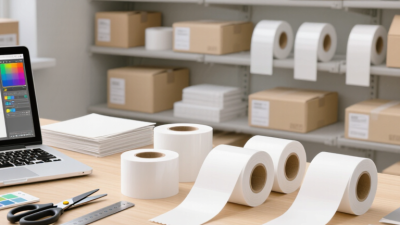
When you search “i need labels printed,” China offers more than low factory pricing. It offers broad material choices, advanced converting equipment, and scalable production for retail, food, cosmetics, electronics, and logistics.
Smithers’ report, The Future of Printed Labels to 2028, identifies continued growth in digitally printed labels, shorter runs, and customized packaging. FINAT’s European Label Market data also shows stronger demand for flexible ordering, faster turnaround, and sustainable label materials. These trends matter in China, where suppliers may combine flexographic, digital, and gravure printing within one production network.
Details matter.
A reliable supplier should explain adhesive performance, ink suitability, die-cut accuracy, minimum order quantities, and sample approval. Ask whether the label survives moisture, refrigeration, abrasion, or oily surfaces. A beautiful sample can still fail on a cold bottle.
Mike Fairley, a respected labels industry analyst and founder of Labels & Labeling, has written, “The label is often the first point of contact between a product and its buyer.” That point deserves practical attention, not only attractive graphics. Your supplier should provide material specifications, color references, inspection procedures, and production photographs when appropriate.
China is not one single printing market. Capabilities vary between Guangdong, Zhejiang, Jiangsu, and other manufacturing regions. Certification claims also require verification. Request current documents, not copied website badges.
I would not choose a printer from price alone. My own mistake would be assuming a detailed quotation guarantees consistent quality. It does not. This guide explains where to get labels printed in China, how to compare suppliers, and which questions reveal dependable production experience.
Types of Labels You Can Print in China
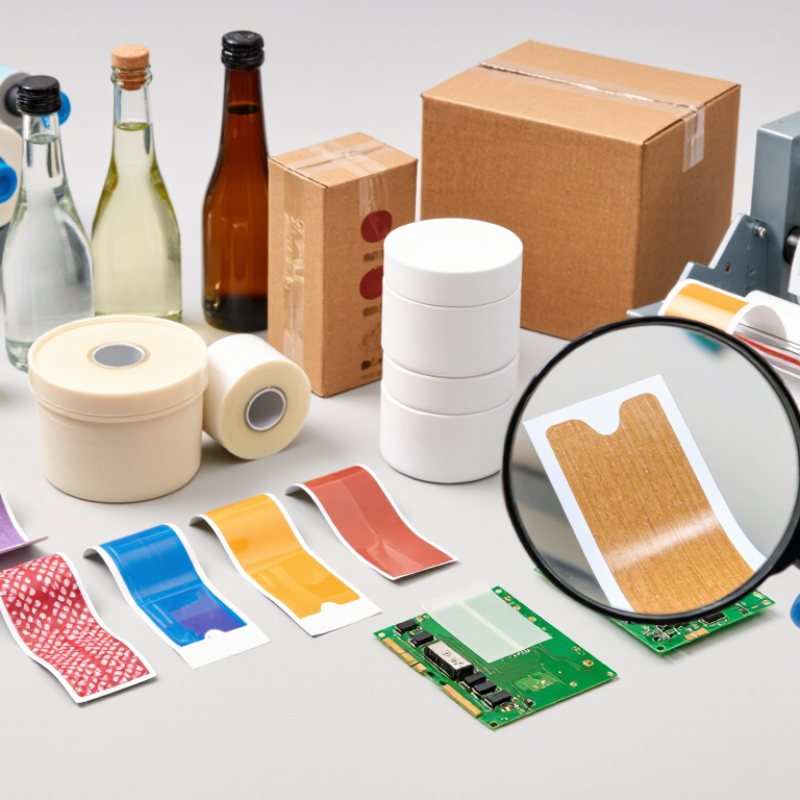
China offers many label printing options for clothing, packaging, footwear, and handmade products. The right choice depends on your material, artwork, order size, and washing requirements. Experienced printing factories usually provide samples before production. This small step prevents expensive mistakes.
Woven labels create a durable, textured appearance for neck labels, size marks, and side seams. Printed fabric labels feel softer and suit detailed artwork, care instructions, and small text. Hang tags can include prices, product details, or a short brand story. For boxes and bottles, adhesive paper labels offer sharp graphics and flexible finishes. Waterproof synthetic labels work better for damp environments. They usually cost more.
You can also request satin, cotton, recycled paper, or heat-transfer labels. Each material changes the color, texture, and final cost. Metallic foil looks attractive, but fine lines may lose clarity. I have seen buyers approve a digital proof without checking the physical sample. That was a mistake. Colors often appear different on a screen. Ask the supplier to confirm dimensions, adhesive strength, edge quality, and packing method. A reliable factory should explain production limits clearly, not promise every effect without testing. Provide artwork in a clear file, but keep important text away from the cutting edge. Small details matter.
Where Can I Get Labels Printed in China? Types of Labels You Can Print in China
China printing suppliers commonly produce paper, synthetic film, thermal, woven, metallic, and hang-tag labels. The chart compares representative label widths frequently used for packaging, apparel, logistics, and product identification. Actual sizes can be customized according to the product and application.
Paper labels are widely used for cartons and retail packaging, while PP, PE, and PVC films are selected for moisture resistance. Thermal labels are common for shipping and barcode applications, and woven labels are frequently used on garments and textiles.
How to Choose a Chinese Label Printing Supplier
Where Can I Get Labels Printed in China?
How to Choose a Chinese Label Printing Supplier
When sourcing labels in China, supplier selection matters more than finding the lowest quote. An experienced buyer should request a physical sample before approving an order. I once accepted a digital proof that looked perfect, but the finished red was darker than expected. That mistake affected shelf appearance. Now, I compare the proof, material, adhesive, and final sample under natural light.
Ask the supplier how it controls color, cutting accuracy, roll direction, and packing. Request production photos, equipment details, and recent quality records. Reliable factories explain their process without vague promises. Check whether the material suits glass, cardboard, frozen surfaces, or humid storage. Adhesive performance can change with temperature. For regulated markets, request relevant test reports before production. Documents should match the actual material, not a generic file.
Communication is another practical test. Send artwork with dimensions, colors, barcode requirements, and winding direction. Notice how the supplier handles unclear instructions. A careful team asks questions early. Compare quotations by total cost, including tooling, sampling, inspection, and shipping. Cheap labels may become expensive after rework. I still allow for human error and inspect a batch before full delivery. No supplier is perfect. Keep inspection photos and written approvals with the order records.
What to Prepare Before Requesting a Label Quote
Where Can I Get Labels Printed in China?
What to Prepare Before Requesting a Label Quote
China has many commercial printing regions, but a good quote starts with clear information. Send the label size, shape, material, printing colors, adhesive type, and estimated quantity. A simple sketch with measurements can prevent expensive misunderstandings. Mention whether labels will touch glass, cardboard, refrigerated surfaces, or curved containers. These details affect adhesive performance.
Prepare the artwork in a professional, editable format, preferably with outlined fonts and defined color references. Ask about proofing, sample approval, roll direction, core size, packing method, and delivery terms. If the labels need product, safety, recycling, or origin information, provide the final wording before production. Requirements differ by market, so verify them with a qualified local adviser. A printer can follow instructions, but cannot replace regulatory review. I learned this the hard way: one missing measurement delayed a small test run.
Tips: Create a one-page specification sheet. Include a reference photo, application surface, label use temperature, and acceptable color variation. State your target quantity and deadline honestly. Request separate prices for sampling, tooling, printing, packaging, and shipping. Ask how quality checks are recorded. If the first quote seems unusually low, check what it excludes. Sometimes the cheapest number is simply incomplete.
How the Label Printing and Proofing Process Works
Where Can I Get Labels Printed in China?
How the Label Printing and Proofing Process Works
Finding a label printer in China is only part of the job. The real control begins with proofing. A reliable workflow starts with your artwork, material choice, adhesive needs, dimensions, and shipping environment. The printer then checks files for bleed, color mode, barcode clarity, and fine text. A digital proof shows layout and content, while a physical proof reveals texture, opacity, gloss, and color behavior.
Color needs discipline. A screen preview is not a press result. The printer may use CMYK, spot colors, or digital color matching. Ask for a signed physical proof before mass production. According to Smithers’ 2024 label market analysis, digital label printing continues to grow at a mid-single-digit annual rate, partly because it supports short runs and faster revisions. FINAT’s 2024 Radar report also highlights continuing pressure for flexible, efficient label production across European supply chains. These trends make proofing more important, not less.
Tips: Send editable artwork and a PDF preview. Confirm the final label size in millimeters. Request material samples. Test the barcode under poor lighting. Keep written approval records. I have seen projects delayed by one missing millimeter of bleed. It sounds minor. It is not. Also, do not approve color from a phone screen; that shortcut often creates expensive reprints.
Shipping, Quality Checks, and Import Considerations
When ordering labels from China, shipping deserves attention from the beginning. Ask the printer for carton dimensions, gross weight, production time, and the planned shipping method. Air freight is faster, but sea freight usually suits larger label quantities. Confirm whether the quote includes export packing, documents, and delivery to your address. Small details can change the final cost.
Quality checks should happen before mass production. Request a physical sample or a digital proof showing size, colors, adhesive type, and text. Measure the sample with a ruler. Test it on the actual package, especially if the surface is curved, cold, or slightly dusty. Check barcode readability under normal warehouse lighting. My first draft overlooked a small color difference, and it became obvious only beside the finished packaging. That was avoidable.
Tips: Keep approved samples and written specifications together. Ask for photos of packed cartons before shipment. Use moisture-resistant packaging when labels may face humid conditions. Confirm the commercial invoice, packing list, country of origin, and product classification with a qualified customs broker. Import rules, labeling requirements, and taxes vary by destination, so verify them through official authorities before shipping. Leave time for inspection. Delays happen. Perhaps too often.
Where Can I Get Labels Printed in China? - Shipping, Quality Checks, and Import Considerations
| Category | Data Dimension | Typical Information | Buyer Considerations |
|---|---|---|---|
| Printing Options | Self-adhesive paper labels | Suitable for dry indoor use, cartons, jars, packaging, and short-to-medium-term applications. | Confirm paper coating, adhesive strength, roll direction, core size, and resistance to moisture or abrasion. |
| Synthetic film labels | Common materials include polypropylene, polyethylene, and polyester; generally more resistant to water and tearing than paper. | Request test samples for temperature, chemical, UV, scuff, and freezer exposure when relevant. | |
| Thermal labels | Direct thermal labels require no ribbon; thermal-transfer labels use a ribbon and normally provide better long-term durability. | Match the label stock with the printer, ribbon type, print speed, storage period, and expected exposure. | |
| Special finishes | Options may include matte or gloss lamination, varnish, foil effects, embossing, die-cutting, and variable data. | Ask whether the finish affects barcode scanning, recycling requirements, adhesion, or print color. | |
| Order Planning | Minimum order quantity | Minimum quantities vary by material, size, printing process, die, and whether the order uses standard or custom tooling. | Obtain a written quotation showing quantity breaks, setup charges, tooling charges, plate fees, and reprint costs. |
| Production lead time | A practical planning range is often about 7–20 working days after artwork approval and payment, depending on complexity and order volume. | Treat lead times as estimates until confirmed in writing; add time for sampling, revisions, holidays, and quality inspection. | |
| Artwork requirements | Printers commonly request vector artwork or high-resolution files, defined dimensions, color references, bleed, and barcode data. | Approve a digital proof and, for color-critical work, a physical press proof before mass production. | |
| Quality Checks | Dimensions and die-cut accuracy | Check label length, width, corner radius, spacing, winding direction, roll count, and liner condition against the approved specification. | Use a sampling plan and record tolerances before production rather than relying only on visual approval. |
| Print and color consistency | Inspect color uniformity, registration, text sharpness, missing elements, smudging, pinholes, and surface defects. | Compare samples under consistent lighting and use agreed color references or tolerances where color is important. | |
| Barcode and variable data | Verify that barcodes scan correctly, human-readable text matches the data, and serial or batch numbers are complete and sequential where required. | Test with the equipment used in the destination market; do not rely only on a screen preview. | |
| Adhesion and durability | Evaluate adhesion on the actual packaging surface after exposure to temperature, humidity, moisture, rubbing, oils, or chemicals. | Test the finished label on the final substrate because adhesive performance changes with surface energy, curvature, cleanliness, and temperature. | |
| Shipping | Courier or air freight | Usually faster for samples and smaller consignments, but the cost per kilogram is generally higher than sea freight. | Confirm chargeable weight, remote-area surcharges, customs handling, delivery scope, and tracking availability. |
| Sea freight | Usually more economical for larger shipments, with a longer and more variable transit time than air services. | Plan for port handling, documentation, customs clearance, destination charges, and possible congestion or delays. | |
| Packaging for transport | Labels should be protected from crushing, moisture, dust, heat, and telescoping or deformation during transport. | Specify carton strength, palletization, moisture protection, roll orientation, carton marks, and gross/net weight limits. | |
| Shipping documents | Common documents include a commercial invoice, packing list, transport document, and any destination-specific declarations or certificates. | Ensure the consignee, product description, quantity, value, country of origin, and package details are consistent across documents. | |
| Import Considerations | Customs classification | The applicable tariff classification depends on the label material, construction, printing, adhesive, and destination-country rules. | Ask a customs broker or the relevant customs authority to confirm the correct classification before ordering. |
| Duties, taxes, and fees | The landed cost may include product value, freight, insurance, import duty, value-added or sales tax, brokerage, handling, and storage fees. | Compare supplier quotations on the same Incoterm and confirm which party pays import charges. | |
| Product and packaging regulations | Some markets require specific language, measurement units, recycling marks, safety statements, origin information, or sector-specific disclosures. | Check the rules for the final product and destination market before artwork approval; printed labels may be difficult to correct after production. | |
| Country-of-origin marking | Origin marking requirements are determined by the destination country and may depend on how the labels are used or incorporated into finished goods. | Obtain destination-specific advice instead of assuming that a standard origin statement is acceptable. | |
| Cost Control | Landed-cost calculation | Landed cost equals the label price plus tooling, packaging, inland transport, international freight, insurance, customs charges, taxes, and local delivery. | Calculate cost per usable label, including waste, rejected rolls, setup charges, and expected inspection or rework costs. |
| Payment protection | Payment terms may include a deposit, balance before shipment, or another mutually agreed structure. | Use a written purchase order with approved specifications, acceptance criteria, delivery terms, remedies, and ownership of artwork or tooling. | |
| Sample approval | A production sample or approved pre-production proof helps confirm material, adhesive, color, dimensions, finish, and barcode performance. | Keep a signed or digitally approved reference sample for comparison during final inspection and any future reorders. |
Note: Lead times, shipping costs, customs treatment, and regulatory requirements vary by order specification and destination country. Confirm the current requirements with the printer, carrier, customs broker, and relevant authorities before placing an order.
Related Posts
-
Where Can I Get Labels Printed Online?
-
10 Best Places If I Need Labels Printed?
-
China Top 10 Preprinted Labels Manufacturers
-
How to Use Preprinted Labels Effectively for Your Business Needs?
-

What is the Process to Produce Labels Effectively?
-
Top 5 Benefits of Bespoke Label Printing for Global Buyers?