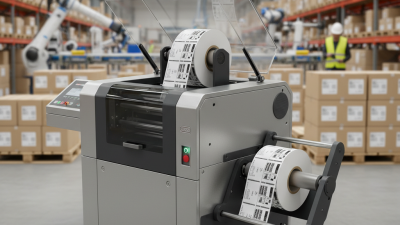
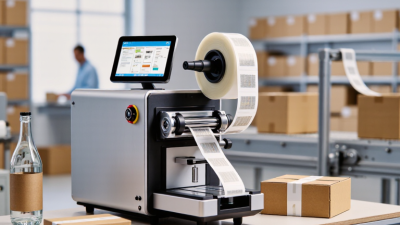
Top Types of Label Writers for Global Buyers

For global buyers, choosing among label writers is a workflow decision, not a contest for the highest print speed. A warehouse may need crisp barcodes on thousands of cartons; a clinic may need small, durable labels that remain legible after handling. The right device should match label size, daily volume, connectivity, and the environment where it will operate. Small details matter. A curled label can slow a packing line.

GS1 reports that its standards are used by more than two million companies worldwide, underscoring the scale of product identification across supply chains. Smithers’ report, The Future of Labels and Release Liners to 2028, examines changing label technologies and market needs. These sources help frame the buying question: can a writer produce consistent, readable labels within the buyer’s actual process? Mike Fairley, founder of the Label Academy and a longtime label-industry analyst, is a relevant expert voice. However, without a verifiable published quotation, attributing exact words to him would risk misrepresenting his views. The comparison ahead therefore focuses on practical differences among desktop, industrial, mobile, and color label writers. Look beyond the brochure. Test the media, software, and print quality you will use every day.
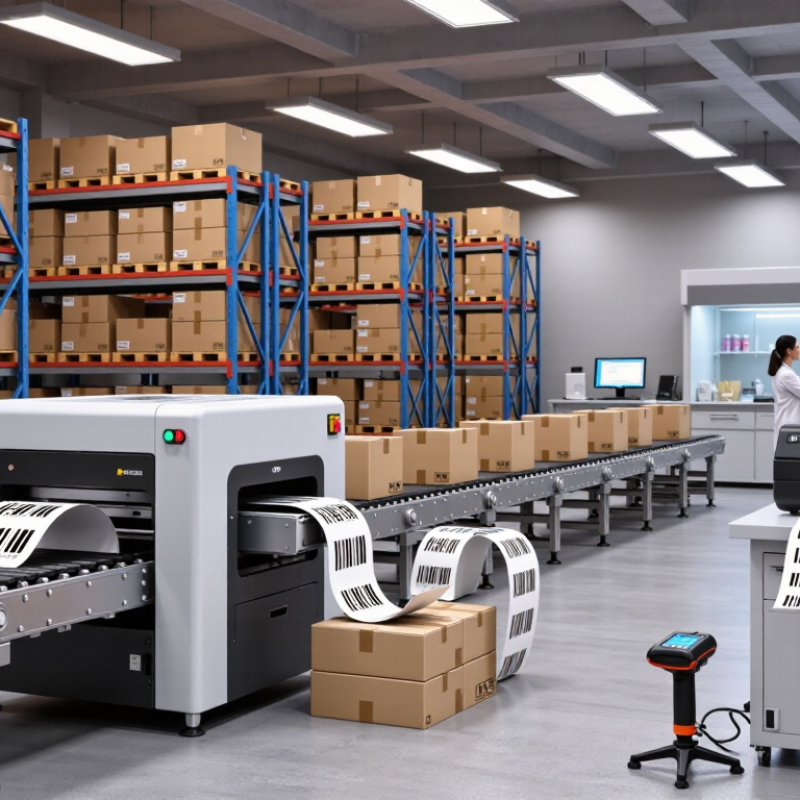
Top Types of Label Writers for Global Buyers

Core Types of Label Writers by Printing Technology

Label writers differ mainly in how they place images and text on stock. Direct thermal models use heat-sensitive labels, so there is no ribbon to replace. They suit short-lived shipping or shelf labels, but heat and sunlight can darken prints. Thermal-transfer models melt ribbon ink onto the label. They handle synthetic materials and produce more durable marks. Inkjet models create vivid color graphics and variable data, though they need compatible media and regular printhead care. Laser models bond toner with heat and work well for compatible sheet labels; roll-label options are more limited.

Smithers’ The Future of Digital Printing to 2032 estimated the broad digital-printing market at $167.5 billion in 2022, projecting $251.1 billion by 2032. This covers more than label writers, so it is context—not a label-printer market share. Still, it highlights the expanding role of digital production.

Tips: Match the method to label life, stock, and daily volume. Rub a sample label, expose it to expected light, and check small text before ordering. A specification sheet cannot replace a real test.

No method wins every job. Direct thermal keeps workflows simple, but fading can become a costly surprise. Thermal transfer adds ribbon handling. Inkjet offers color, yet setup can be fiddly. Choose after testing the actual label material and application, not just the printer’s headline speed.

Direct Thermal Label Writers for Short-Term Labeling

Direct thermal label writers are practical for labels that only need to remain readable for a short time. They use heat-sensitive label stock, so there is no ink ribbon to replace. This keeps routine printing simple in busy packing areas, stockrooms, and temporary event setups. A clear label can show a delivery date, shelf location, or handling note. The image forms directly on the coated surface.

Their main limitation is durability. Heat, sunlight, friction, and some chemicals can darken or fade the print. A label that looks sharp at the printer may become harder to read after sitting near a warm window. For multi-month storage or rough outdoor handling, another label technology may be more suitable. Test the actual label stock in its working environment; a quick desk test is not always enough. Also check that the adhesive grips the intended surface.

Tips: Match the label size to the information, and avoid tiny text. Keep spare rolls away from heat and direct sunlight. Clean the printhead as directed, and inspect a few labels during each shift. Small checks help catch faint printing early.

Thermal Transfer Label Writers for Durable Labels

Thermal transfer label writers suit global buyers who need markings to remain readable through handling, storage, and shipping. They use a heated printhead to transfer ink from a ribbon onto label stock. Smithers’ report, The Future of Global Labeling and Product Decoration to 2028, estimated the global label market at US$47.2 billion in 2023 and forecast growth to US$56.8 billion by 2028. That scale reflects varied applications, not one universal label specification. A carton moving through a dry warehouse has different demands from a chemical drum exposed to moisture and abrasion.

Match the ribbon to both the face material and the environment. Wax ribbons can suit paper labels and routine logistics; resin ribbons are often selected for synthetic stock and harsher conditions. Wax-resin options can offer a practical middle ground. Test the actual combination before ordering at scale. Check legibility after rubbing, temperature changes, and exposure to expected cleaning agents. A perfect match is not automatic. Printer settings and label adhesive matter, too.

Tips: Print a small batch using the final stock and ribbon. Apply labels to real containers, then handle and store them as intended. Record the settings and test results. It is easy to overlook how a curved surface or dusty carton affects scanning. Recheck performance when suppliers or materials change.

Top Types of Label Writers for Global Buyers: Thermal-Transfer Label Writers for Durable Labels

Common printhead resolution options for thermal-transfer label printers

Thermal-transfer printers are commonly available in 203, 300, and 600 dpi configurations; availability varies by model. Higher resolution can improve the clarity of small text and detailed barcodes. For durable labels, match the ribbon and label material to the intended environment—resolution alone does not determine label durability.

Inkjet and Laser Label Writers for Color Printing

Inkjet and laser label writers both produce color, but they suit different jobs. Inkjet models spray tiny droplets onto coated label stock, making them useful for vivid graphics, gradients, and changing product details. Laser models fuse toner with heat. They can produce crisp small text and consistent batches, but not every adhesive label sheet tolerates the fuser temperature.

Demand is substantial. AWA’s Global Labeling and Product Decoration Market Update 2023 estimated the worldwide label market at 71.8 billion square metres in 2022; pressure-sensitive labels accounted for about 43 percent. That scale helps explain why buyers compare printing methods against real workflows, not color samples alone. For short runs with frequent artwork changes, inkjet may reduce setup waste. For repeated batches with fine text, laser can be a practical fit. Not a universal rule.

Check the stock before ordering. A label that curls, smears, or lifts can ruin an otherwise sharp print. Test the actual adhesive, finish, and intended use, including exposure to moisture or handling. Compare cost per usable sheet, not just the machine price. One overlooked detail: some bright colors look different under warehouse lighting. Print a small batch first, inspect it where labels will be applied, and adjust color settings if needed. That check takes time, but skipping it can cost more.

Top Types of Label Writers for Global Buyers – Inkjet and Laser Label Writers for Color Printing

Compare common label-printing technologies by color capability, media compatibility, and typical use. Actual performance depends on the printer, label stock, and settings.

Label Writer Type Printing Method Color Printing Suitable Label Media Typical Advantages Important Considerations Common Applications
Color inkjet label printer Sprays liquid ink onto the label surface. Full color; suitable for graphics, photographs, and color-coded information. Inkjet-compatible paper and synthetic label stocks; coatings vary by stock. Flexible short-run printing and detailed color output; no printing plates are required. Use compatible media to help prevent ink smearing. Water and chemical resistance depend on the ink and label material. Product, ingredient, craft, and retail labels; small-batch packaging.
Color laser label printer Uses toner and heat to fuse the image to the label surface. Full color; well suited to text, logos, charts, and consistent repeated designs. Label sheets specifically rated for laser printers and their operating temperatures. Sharp text and convenient sheet-based printing; toner is dry when the page exits. Use laser-compatible labels to reduce the risk of adhesive or stock damage in the printer. Not all laser output is waterproof. Office product labels, shipping inserts, folders, and color-coded inventory labels.
Direct thermal label printer Applies heat directly to heat-sensitive label material; no ribbon is used. Generally monochrome; standard direct thermal output does not provide full-color printing. Direct thermal-coated rolls or fanfold labels. Simple media loading and no ribbon to replace; useful for frequent, short-life label jobs. Print may darken or fade with heat, light, or time; durability depends on the label stock and environment. Shipping labels, receipts, and temporary warehouse or retail labels.
Thermal transfer label printer Uses a heated printhead to transfer ribbon material onto a label. Commonly monochrome. Specialized color ribbons exist, but full-color graphics are not typical for standard setups. Paper or synthetic labels matched to the ribbon type. Can produce durable text and barcodes when the ribbon and label material are correctly matched. Requires ribbon; abrasion, chemical, and moisture resistance vary with the media combination. Asset tracking, product identification, logistics, and industrial labeling.

Buyer tip: For color labels, confirm the printer’s supported label dimensions, media feed format, and compatibility with the intended stock. Test adhesion and print durability under the conditions in which the labels will be used.

Portable and Industrial Label Writers for Different Work Environments

Portable label writers suit field teams, maintenance crews, and small stockrooms. Their light cases and rechargeable batteries make it easier to print labels beside equipment or shelving. A technician can create a clear cable label without returning to a desk. Useful features include a readable screen, simple tape loading, and controls that work with gloves. Small devices have limits, though. Narrow media and slower output may frustrate teams handling large batches.

Industrial label writers are built for fixed workstations and heavier daily use. They can support wider media, higher print volumes, and consistent output across production areas. In a busy warehouse, staff may print location labels, carton identifiers, or durable equipment tags at a central station. Consider the actual material and conditions: dust, moisture, heat, and frequent handling can affect label life. A strong printer cannot compensate for unsuitable labels.

The best choice depends on movement, volume, and label requirements—not just the purchase price. No setup is perfect. A portable unit may reduce walking but need frequent reloading; an industrial model may print faster while taking valuable bench space. Test both the printer and label stock with real workflows before standardizing. Small details matter. A label that peels after one shift is still a poor result.